One-shot robot learning emerged unplanned, as it did in GPT-3
Pete Florence, CEO of Generalist, on Gen 1.5's one-shot learning, why dexterity is robotics' coding analogue, and why he keeps hardware simple to speed model research.
Loading articles…
The complete subject coverage could not load. Published articles remain below.
Pete Florence, CEO of Generalist, on Gen 1.5's one-shot learning, why dexterity is robotics' coding analogue, and why he keeps hardware simple to speed model research.
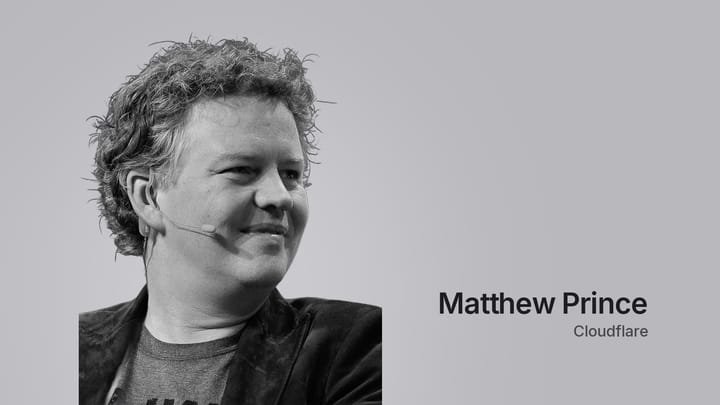
Cloudflare's Matthew Prince talks with a Nous Research co-founder about agent traffic overwhelming the web, the frontier labs' commodity risk, and why GPUs sit 5-8% utilized.
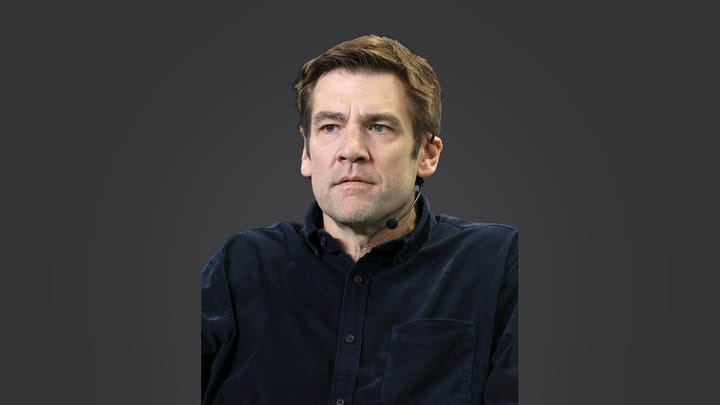
Chris Dixon, Marc Andreessen and Ben Horowitz launch a16z Frontier, then get into why founders beat incumbents with AI, what agents do to the web, and why open source matters.
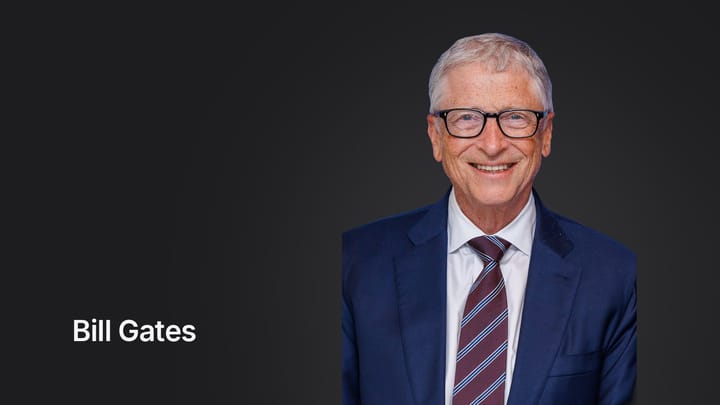
Bill Gates, chairman of the Gates Foundation, tells Decoder about cyber and bio risk, a 20-year jobs transition, and how to enforce safeguards on open-weight models.
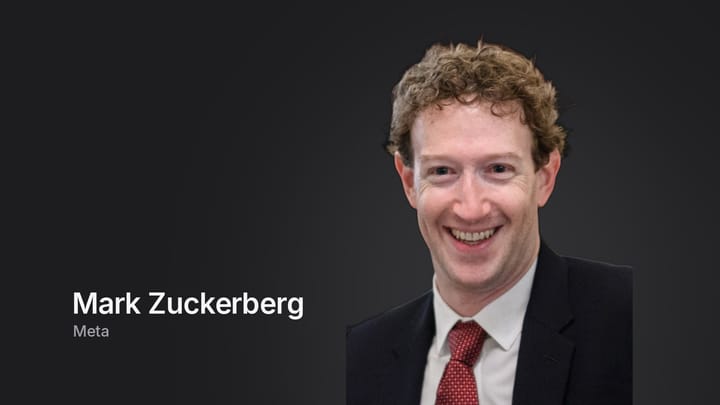
Mark Zuckerberg, Meta CEO, on his 15-page manifesto, the Muse personal agent with its confidential VM, and why Meta's rebuilt lab is chasing the frontier with Watermelon.
Misha Laskin, CEO of Reflection AI, covers the cost of reaching the frontier, how enterprises move from renting closed tokens to owning open models, and why openness improves safety.
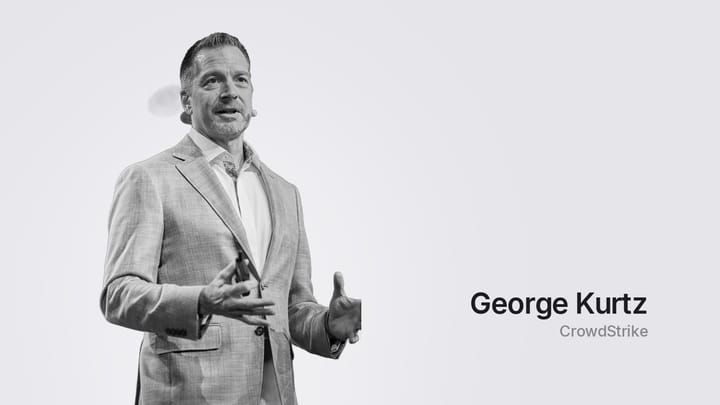
CrowdStrike CEO George Kurtz on No Priors: how AI flattened the attacker pyramid, why defenders need unrefused models, and how CrowdStrike's red-blue loop and open-weight bet respond.