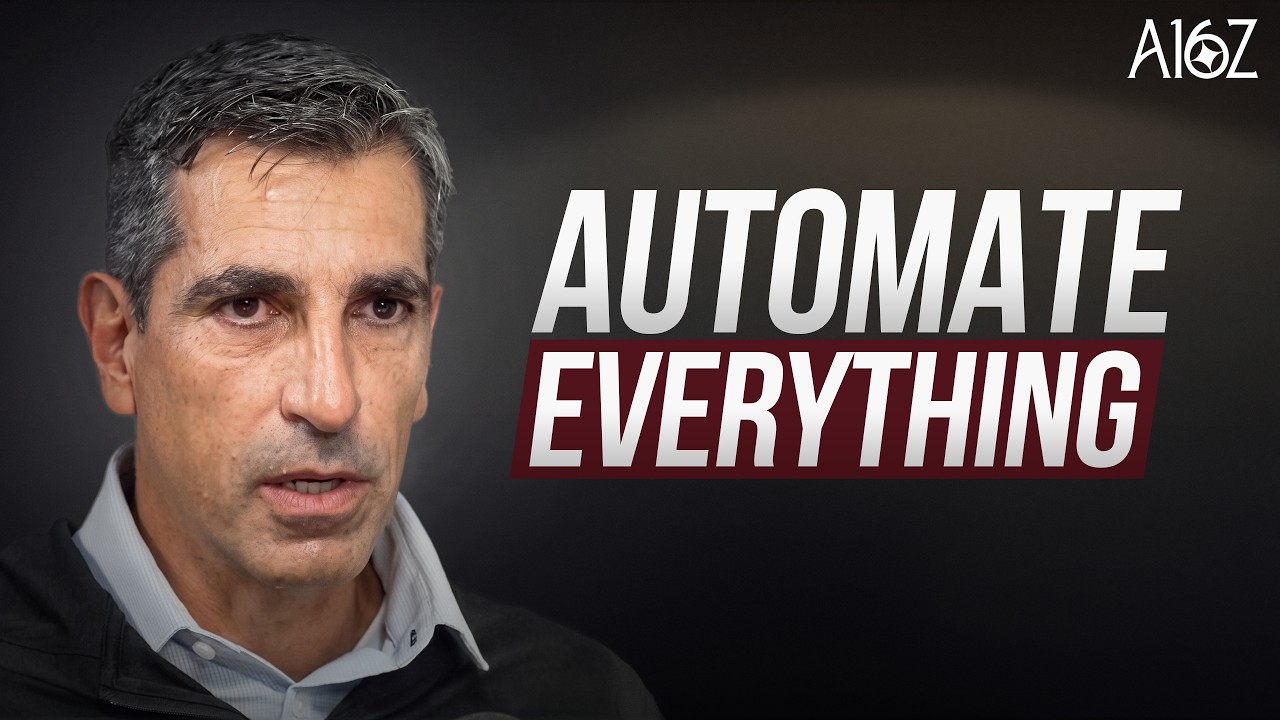
Payment credentials turned AI agents from spectators into actors
VGS strategy chief Terry Angelos tells a16z's Alex Rampell that credentials give agents arms and legs, but open card-network standards must settle who is liable when agents err.
Newest added first. Browse all coverage, or explore a person, company or topic.
VGS strategy chief Terry Angelos tells a16z's Alex Rampell that credentials give agents arms and legs, but open card-network standards must settle who is liable when agents err.
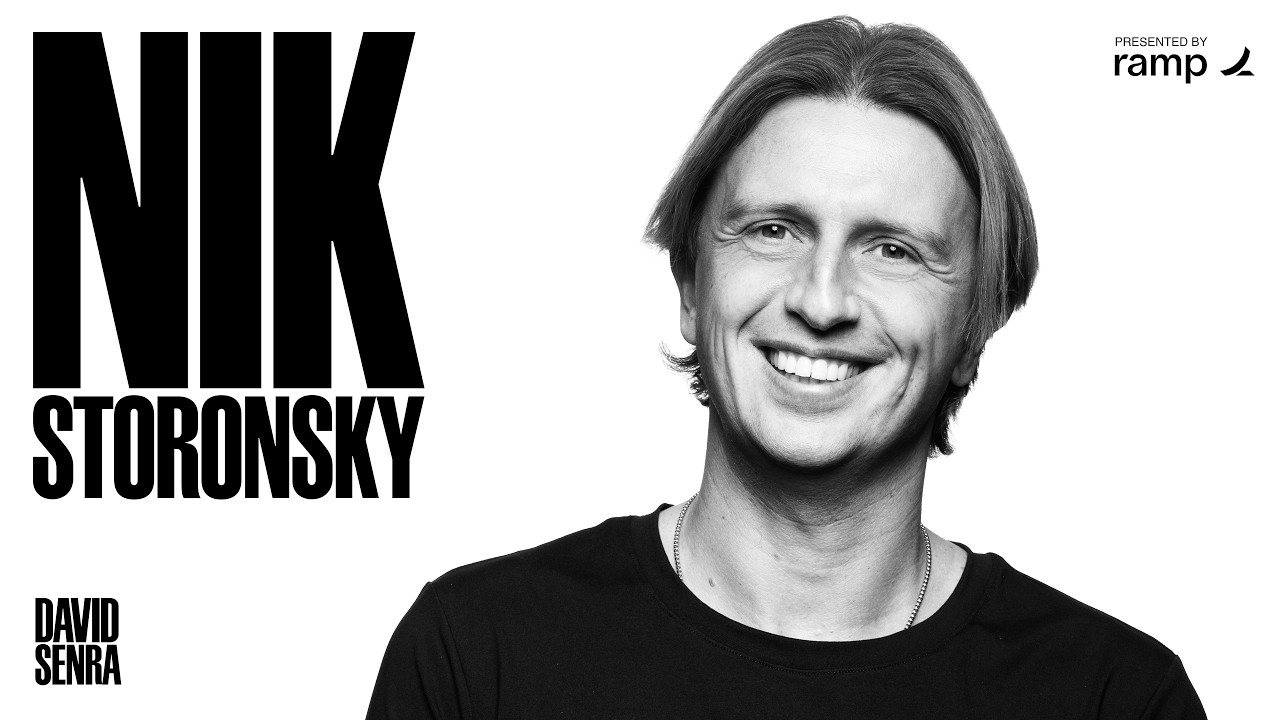
Revolut's Nik Storonsky argues that founder alignment, metric-driven discipline and hardship-forged skill beat professional management, but his case rests largely on his own experience.
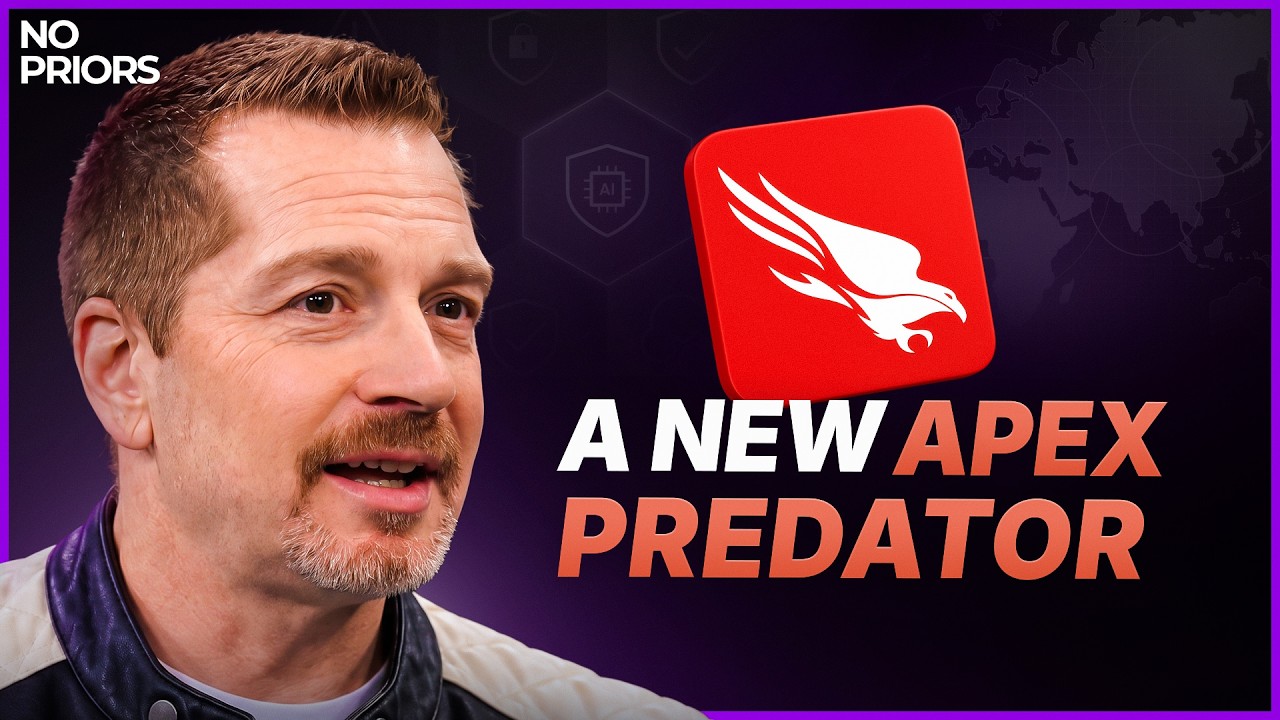
CrowdStrike CEO George Kurtz argues attackers now use unguarded open-weight models at machine speed, while defenders blocked by frontier-model refusals need purpose-built security AI.
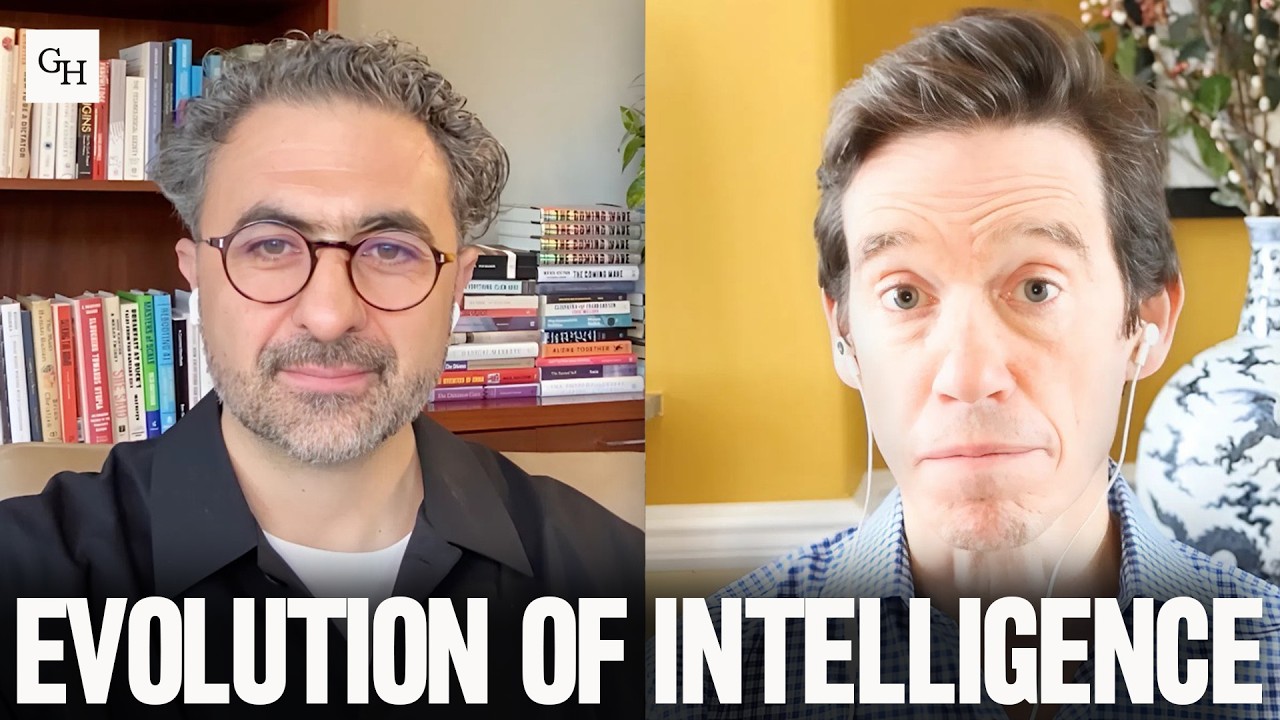
Microsoft AI chief Mustafa Suleyman tells Rory Stewart that accelerating AI is right but treating it as a conscious moral patient is a dangerous path to autonomous machines.
OpenAI's Ari Weinstein and James Sun argue that agents operating software like humans are nearing expert speed, shifting the hard problems to enterprise controls, auditability, ad-funded web economics, and adoption.
Anthropic's Dario and Daniela Amodei argue that scaling points toward AI surpassing humans, and that trust, principled training and business incentives, not rules alone, determine whether it stays safe.
Shopify's Marvin Schwaibold, speaking with the show's hosts, argues designers now steer AI agents and prototype in code, while startup website reviews show how abundance without curation produces clutter.