
The internet is a rounding error; physical intelligence needs robots
Sergey Levine of Physical Intelligence on how robot foundation models evolved from pi 0 to pi 0.7, why generality beats specialization, and where robot data will come from.
Loading articles…
The complete subject coverage could not load. Published articles remain below.
Sergey Levine of Physical Intelligence on how robot foundation models evolved from pi 0 to pi 0.7, why generality beats specialization, and where robot data will come from.
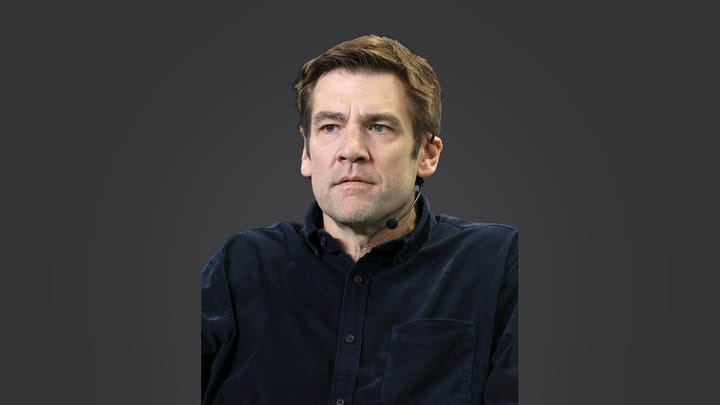
Chris Dixon, Marc Andreessen and Ben Horowitz launch a16z Frontier, then get into why founders beat incumbents with AI, what agents do to the web, and why open source matters.
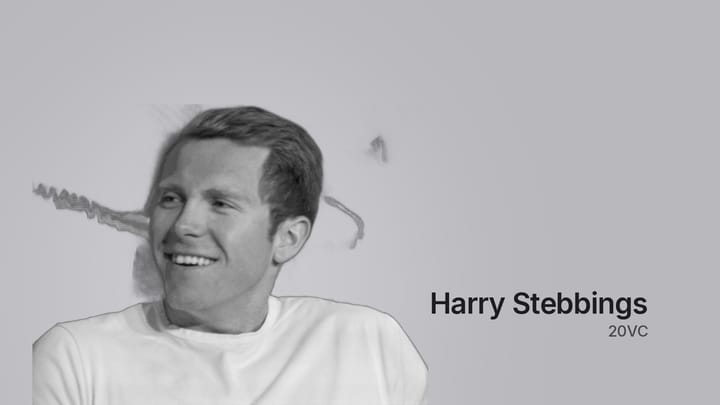
Harry Stebbings, Jason Lemkin and Rory O'Driscoll dissect venture's capital concentration, CoreWeave's debt-fuelled fragility, and Anthropic's slowing growth ahead of a possible $1.5 trillion IPO.

MIT physicist Max Tegmark, talking with Brian Keating, covers OpenAI's partial Navier-Stokes result, the Hugging Face agent breakout, and why safety standards and formally verified code could lower P(doom).

Alex Colville of Age1 covers the four-part framework for aging interventions, why AI labs are moving into biotech, and why China, not AI, has reshaped drug development.
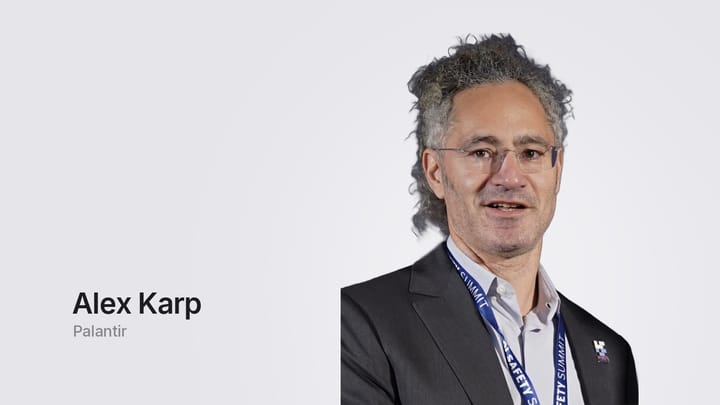
Palantir CEO Alex Karp tells his friend, the Axel Springer chief, why Europe attacks his company, how Germany could rebuild its tech scene, and why AI wealth fuels populist anger.
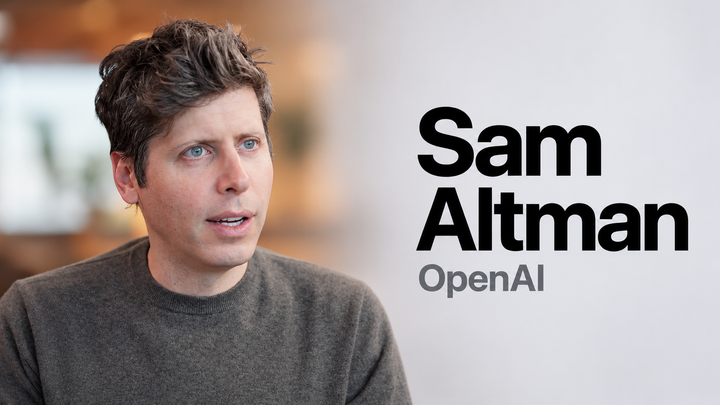
Sam Altman, OpenAI's CEO, on delaying a frontier training run, why AGI is a poorly defined term, and his fear of unsustainable compute buildouts across the industry.