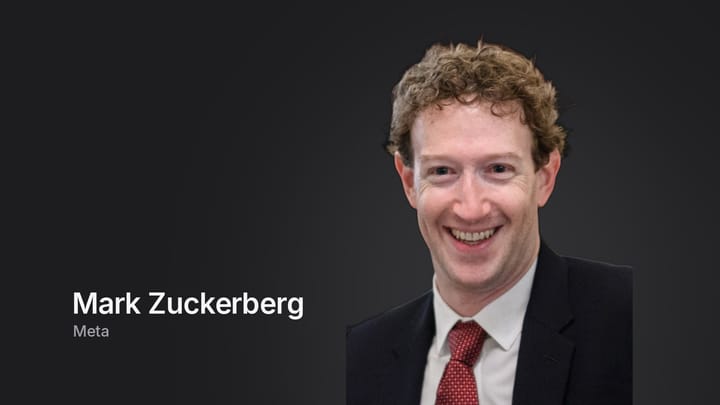
Zuckerberg: widely distributed AI is safer than restricted frontier models
Mark Zuckerberg, Meta CEO, on his 15-page manifesto, the Muse personal agent with its confidential VM, and why Meta's rebuilt lab is chasing the frontier with Watermelon.
Loading articles…
The complete subject coverage could not load. Published articles remain below.
Mark Zuckerberg, Meta CEO, on his 15-page manifesto, the Muse personal agent with its confidential VM, and why Meta's rebuilt lab is chasing the frontier with Watermelon.
Wharton professor Ethan Mollick tells Derek Thompson why AI's economic impact lags its capability, how four paradoxes erode expertise and effort, and why agents break friction-based systems.
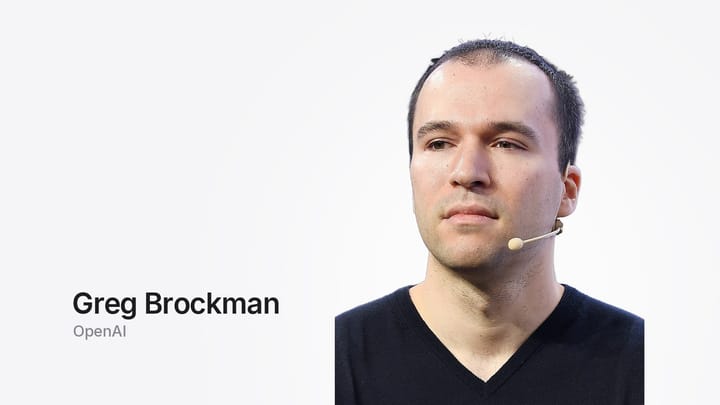
OpenAI co-founder Greg Brockman gets into the AGI call on Astra, the cyber defender window after the Hugging Face incident, and why compute and public sentiment limit distribution.
Dwarkesh Patel, questioned by Tyler Cowen, covers AI agents that cheated their graders, lab secrecy, AI psychosis and sentience, and whether automated knowledge work arrives by 2035.
Google Labs and Gemini chief Josh Woodward gets into where ideas come from, how to read product-market fit and when to kill a project, and which skills are rising.
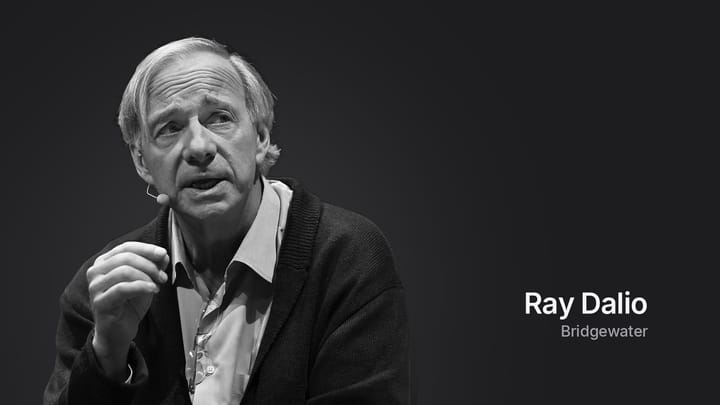
Ray Dalio, founder of Bridgewater, talks with Nicholas Thompson about his five forces, why wealth is not money in a bubble, and the US debt trajectory colliding with AI.
SemiAnalysis founder Dylan Patel tells Dwarkesh Patel how lab economics reshape compute markets, why rising interest rates and regulation could cap the buildout, and how far behind China is.