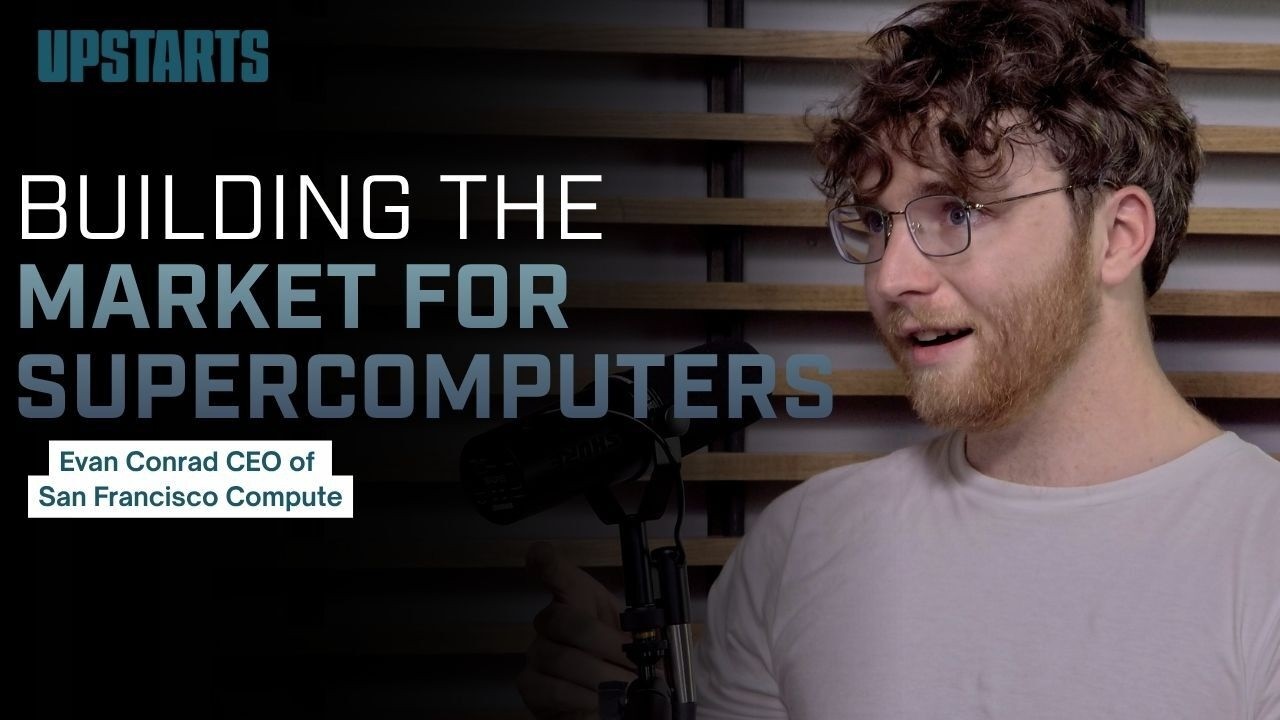
SF Compute argues credit, not chips, is AI's bottleneck
Evan Conrad of San Francisco Compute argues that independent, physically settled forward contracts can unlock GPU financing, a model that depends on refusing the profits of becoming a cloud.
Loading articles…
The complete subject coverage could not load. Published articles remain below.
Evan Conrad of San Francisco Compute argues that independent, physically settled forward contracts can unlock GPU financing, a model that depends on refusing the profits of becoming a cloud.

Chase Lochmiller, CEO of Crusoe, explains how a vertically integrated model, from electrons to tokens, shapes his view of competition, leadership scaling, and the public backlash against data centers.

Eric, founder and CEO of Modal, argues that inference serving is heading toward commodity pricing while durable advantage lies in multi-product infrastructure, even as compute stays chaotic and capital-hungry.
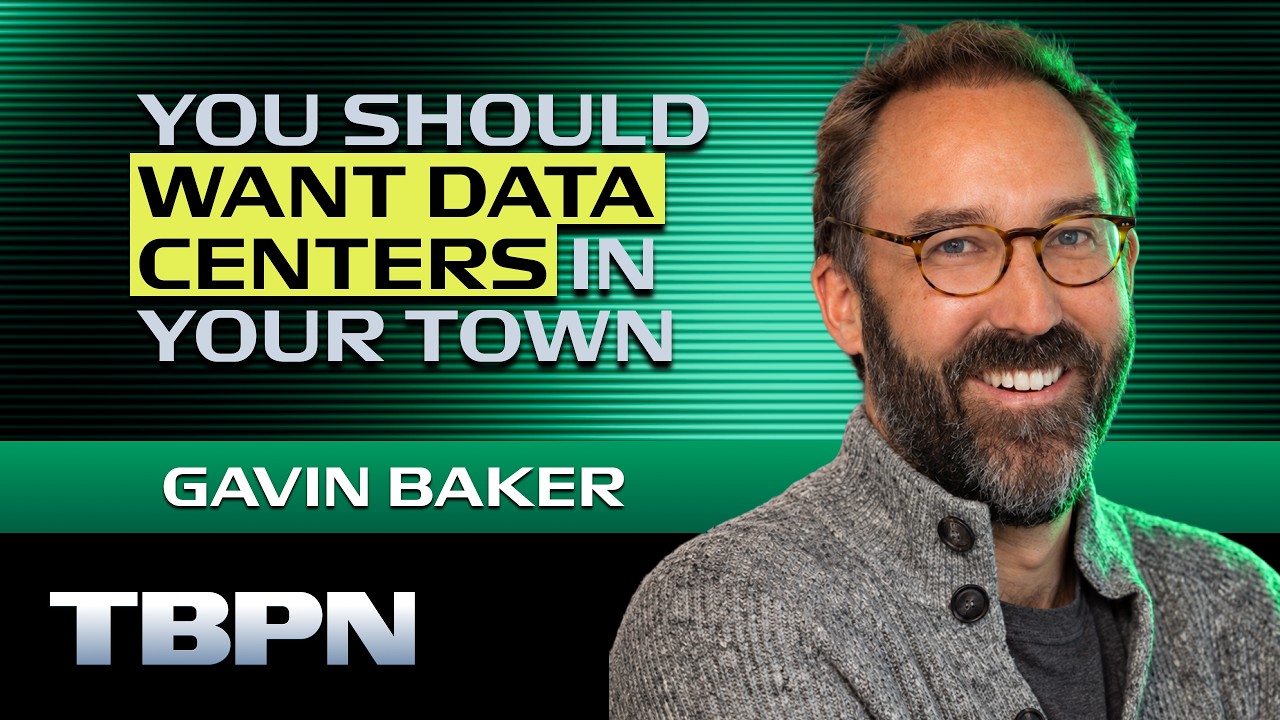
Investor Gavin Baker, reacting to Anthropic's S-1, argues demand is outrunning compute supply, while counterpoints on customer concentration and training-heavy compute test how far that optimism can run.
An investor valuing Anthropic's newly filed prospectus finds the same data supports both bull and bear readings, while a founder-controlled governance structure complicates any price he would pay.
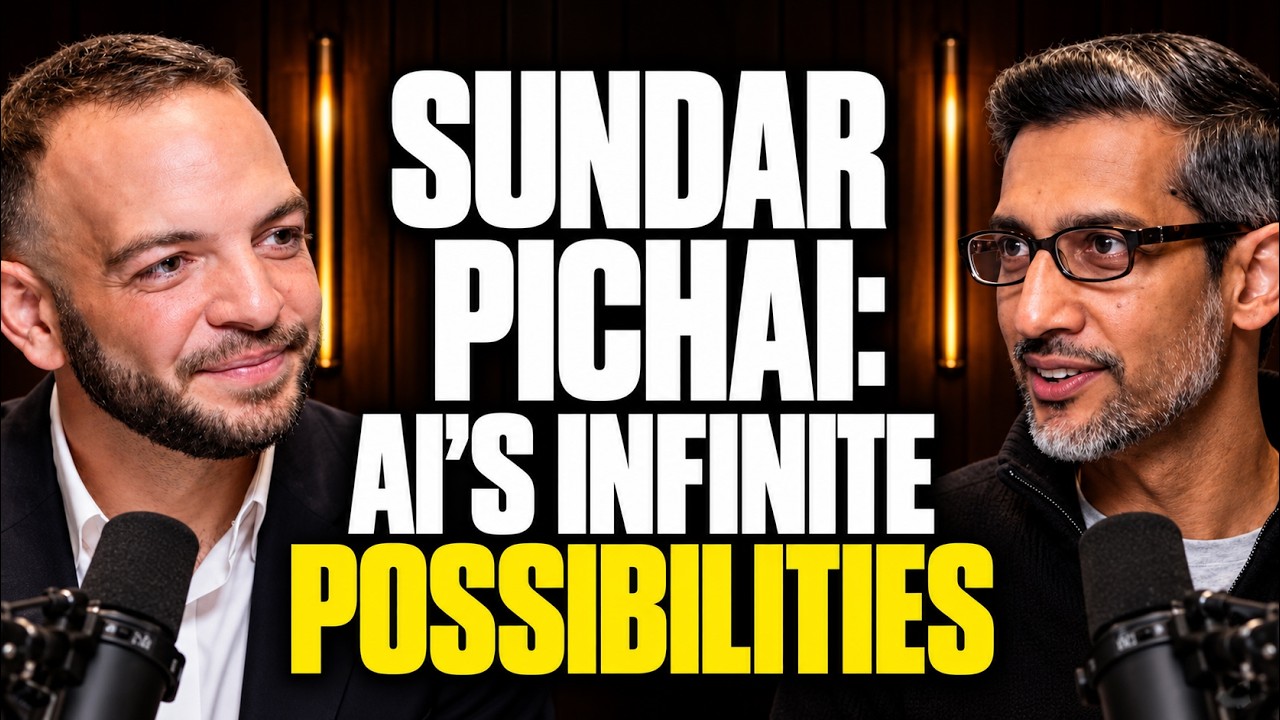
Alphabet CEO Sundar Pichai argues frontier models are non-negotiable even as capacity shortages, imperfect alignment, and overbuilding risk test how Google allocates scarce compute.

Cliff, an investor with a concentrated Carvana portfolio, argues intelligence is bounded by chaotic, physical reality, so AI demand may undershoot the buildout while data, attention, and scale gain value.