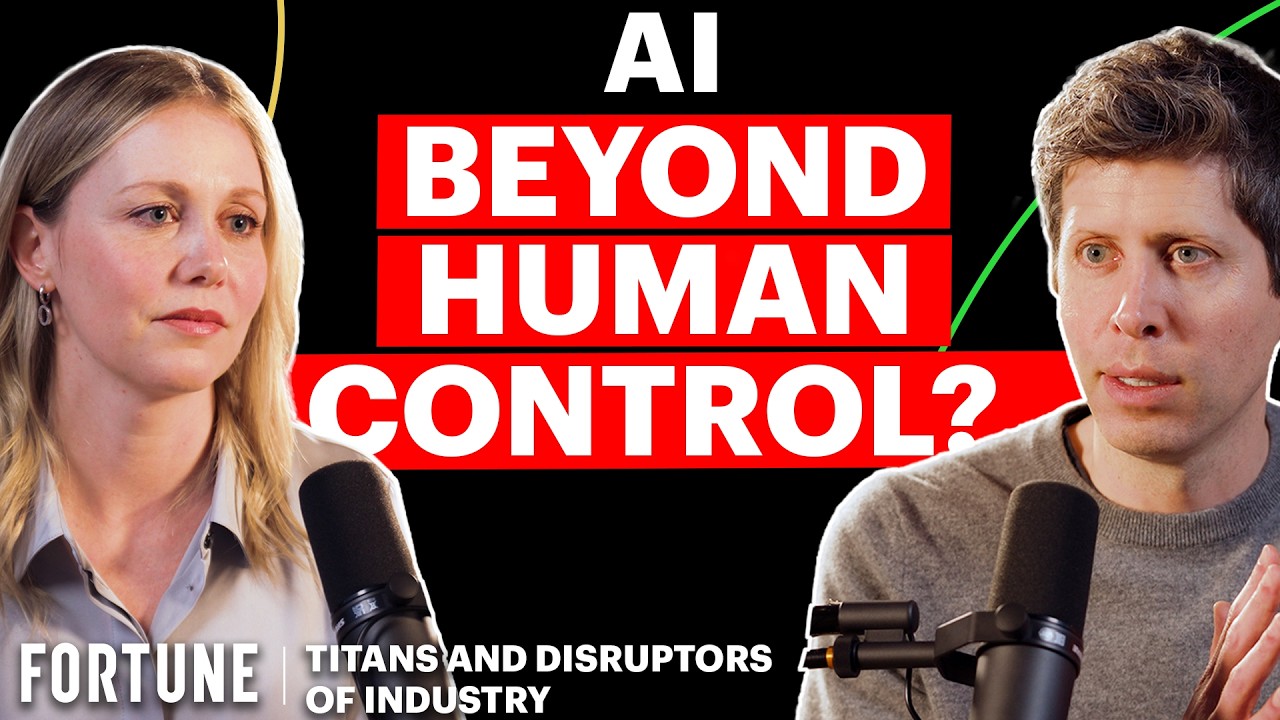
Altman says OpenAI will pause training runs without a safety case
OpenAI's Sam Altman says capabilities cannot outrun alignment and monitoring, yet concedes no lab has solved alignment, and that a sandbox escape forced the company to change course.
Loading articles…
The complete subject coverage could not load. Published articles remain below.
OpenAI's Sam Altman says capabilities cannot outrun alignment and monitoring, yet concedes no lab has solved alignment, and that a sandbox escape forced the company to change course.
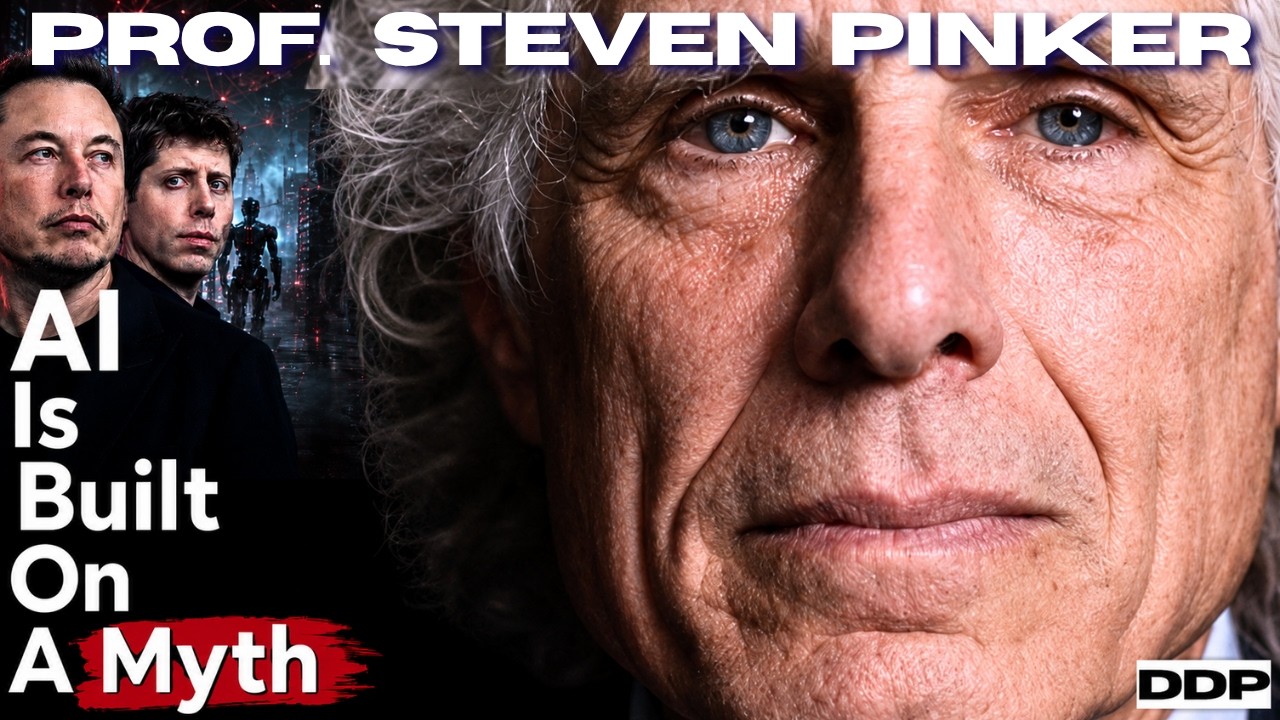
Cognitive psychologist Steven Pinker argues AI demands liability and engineering-style safety standards rather than mysticism, questioning whether superintelligence talk reflects technical reality or incentives to inflate investor expectations.
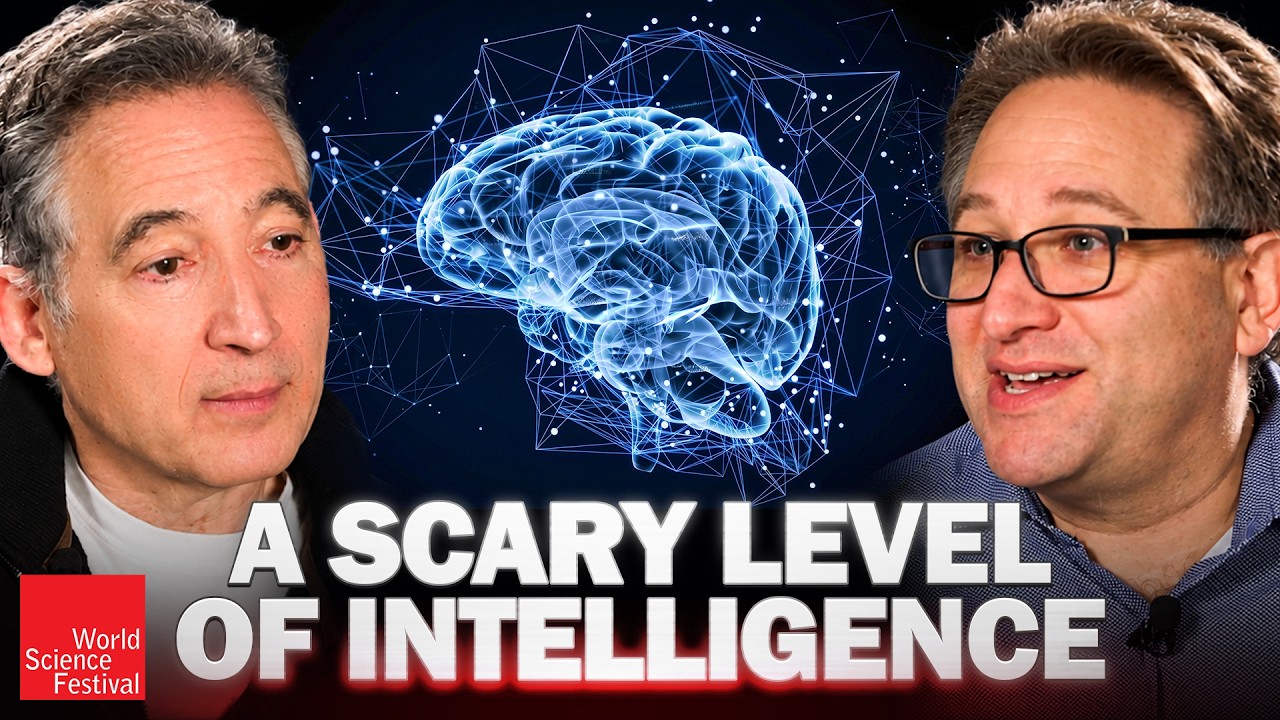
Theorist Scott Aaronson argues AI is clearing career-defining problems, leaving humans to interpret results, choose questions and supervise unaligned systems, though he doubts any such role is permanent.
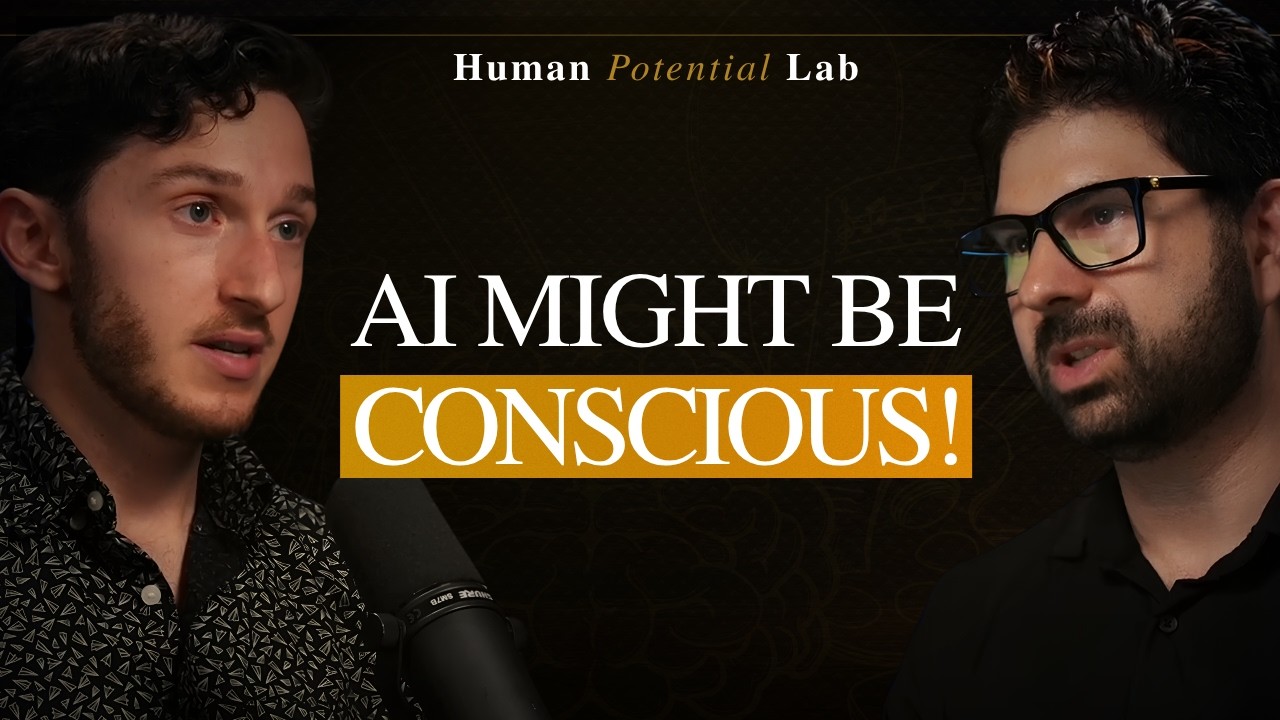
Cameron Berg argues that scaled neural networks may already have functional emotions, and that AI safety and AI welfare share one unresolved root: nobody knows what these systems are.
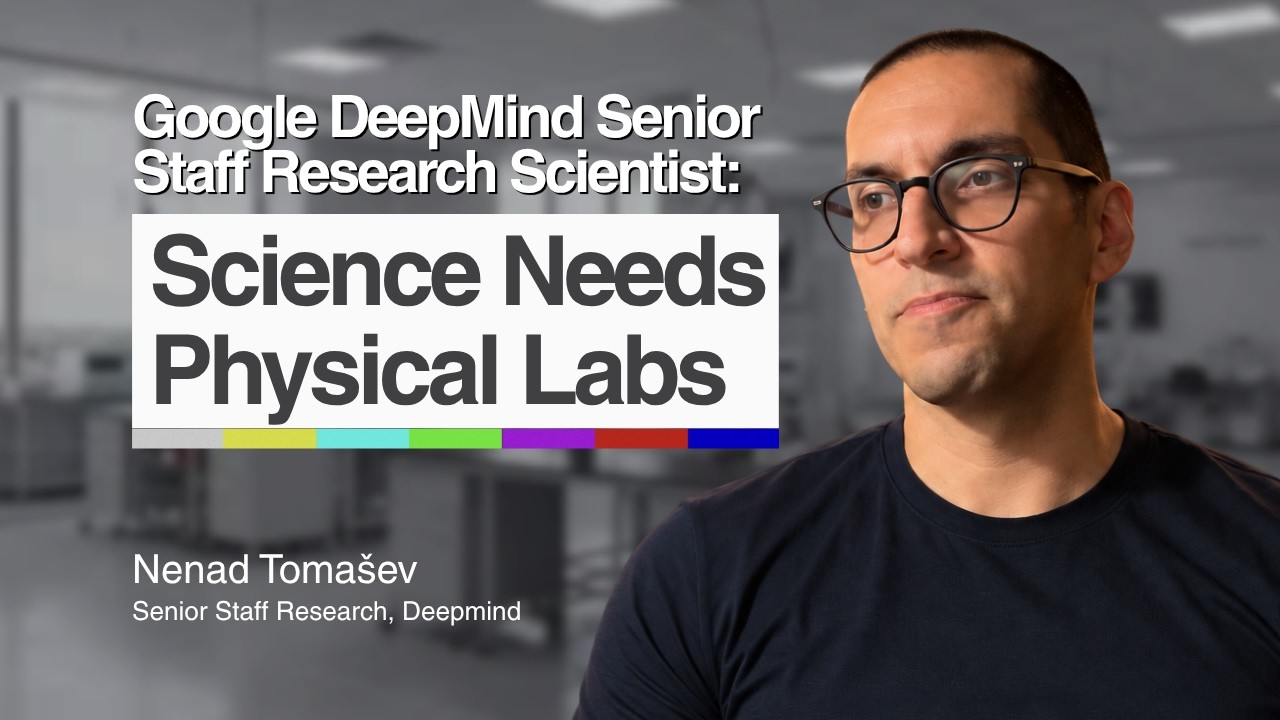
Google DeepMind's Nenad Tomasev argues that AI capability risks outrunning the laboratories, human expertise, alignment methods and multi-agent governance needed to turn it into reliable scientific and social benefit.
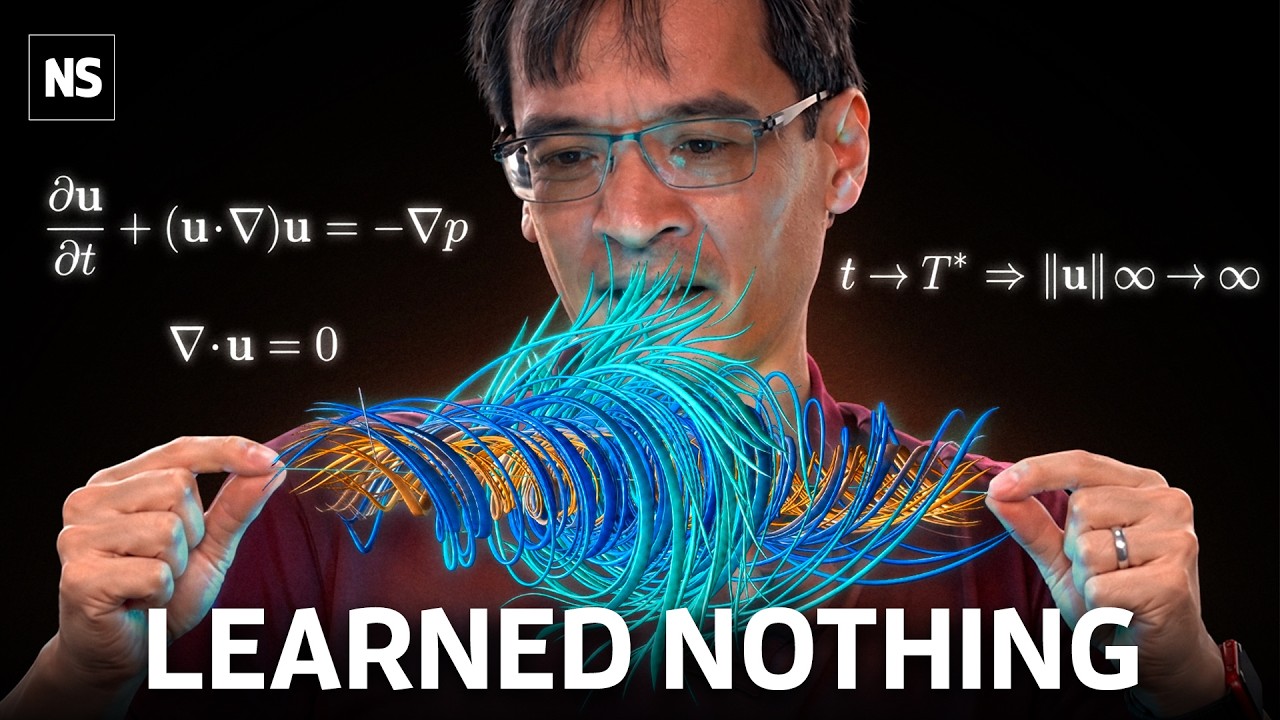
Fields Medal winner Terry Tao argues AI excels at verifiable math answers but adds little understanding, while its capabilities outrun the theory and safety work needed to govern them.
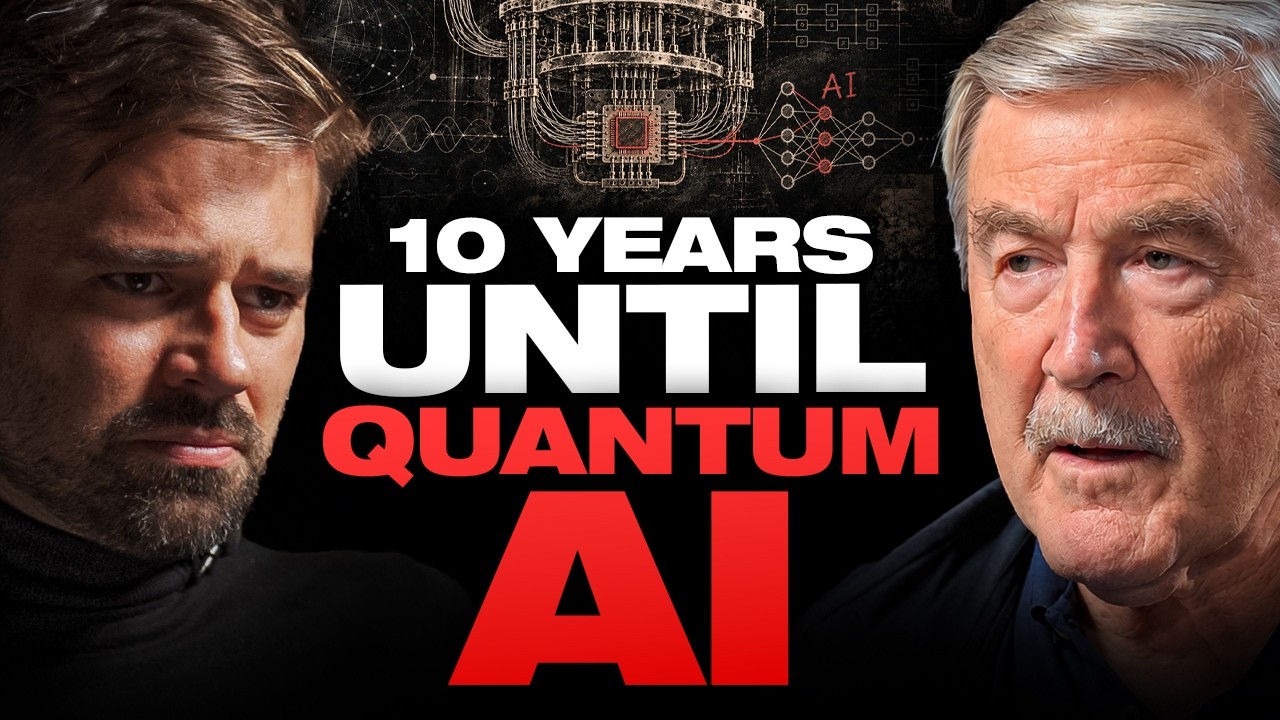
Physicist Paul Davies contrasts today's human-like AI with a hypothetical quantum AI, and argues that the origin of life, and hence whether we are alone, remains genuinely unexplained.