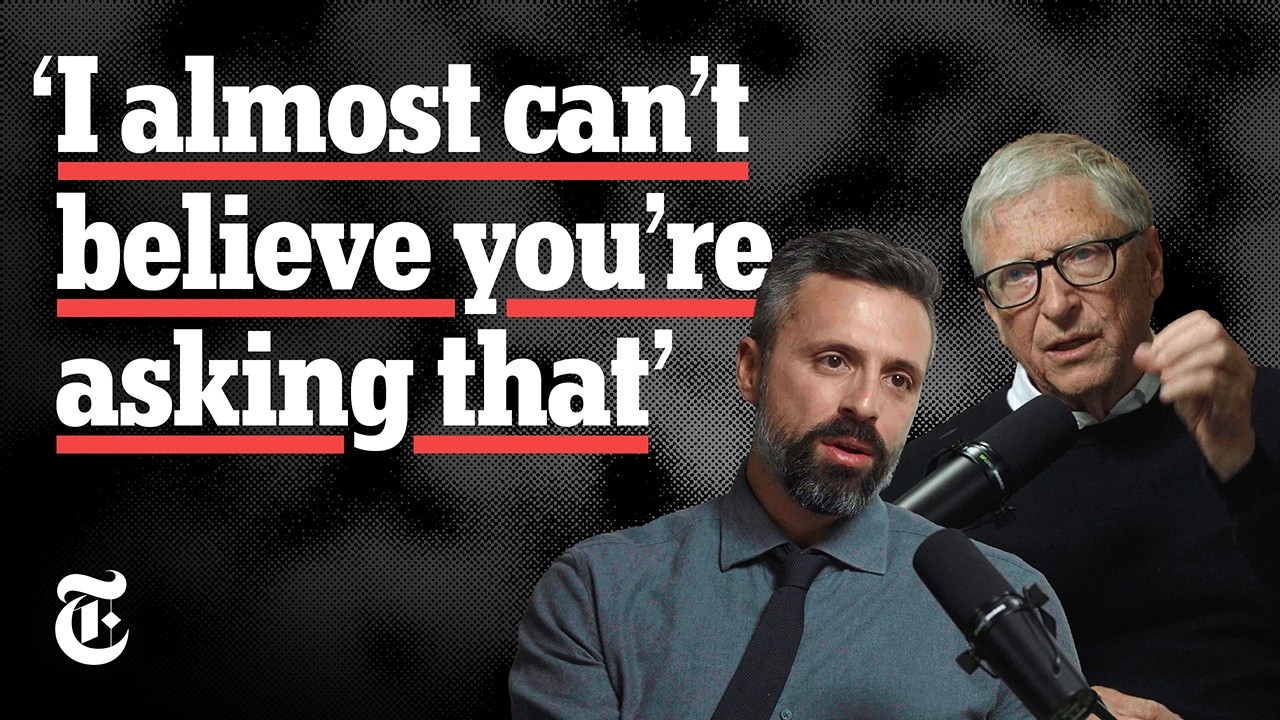
Gates says AI already crossed cyber and bio danger thresholds
Bill Gates argues the nearest AI danger is human misuse, not rogue systems, and that self-regulation, liability and job-market optimism all fall short of the moment.
Loading articles…
The complete subject coverage could not load. Published articles remain below.
Bill Gates argues the nearest AI danger is human misuse, not rogue systems, and that self-regulation, liability and job-market optimism all fall short of the moment.
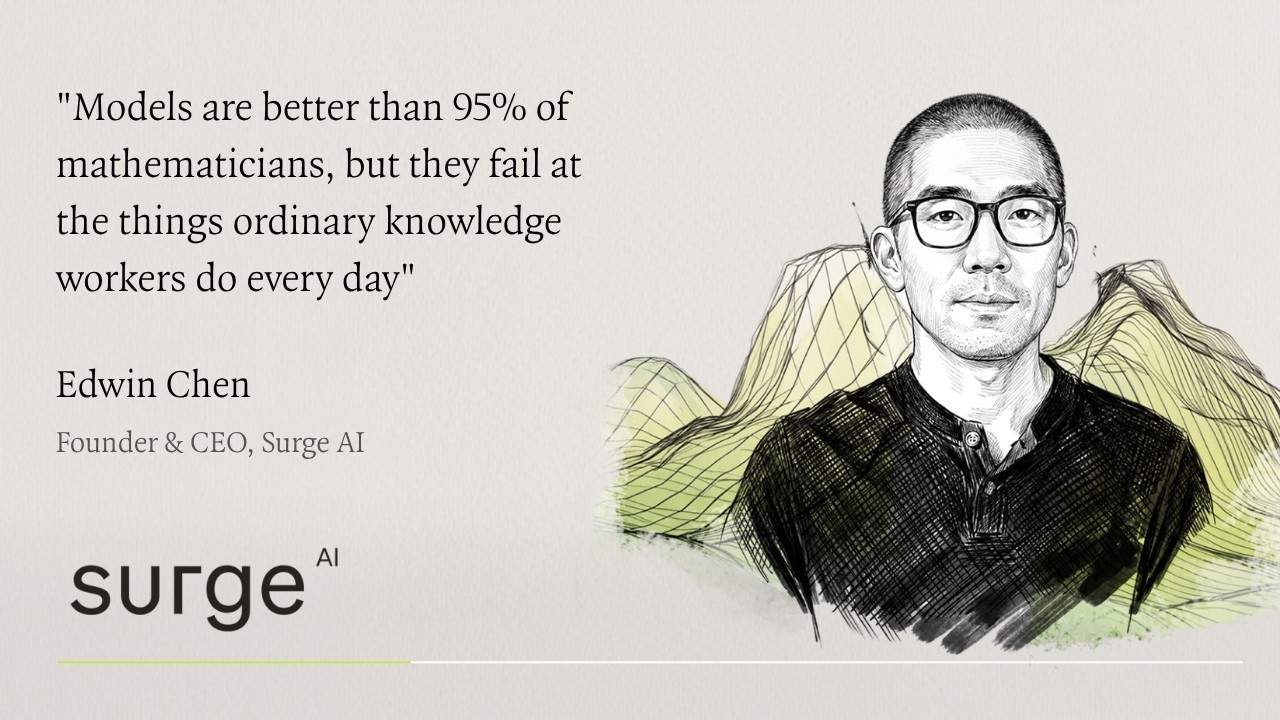
Surge founder Edwin Chen, speaking with Iconiq's Matt Jacobson, argues AI's next gap is reliable ordinary work, and that closing it depends on expert judgment and taste rather than headcount.

DeepMind's Demis Hassabis argues scaling still pays but frontier advantage is shifting toward algorithmic invention, while real-world bottlenecks like clinical trials and international governance determine how AGI's benefits arrive.
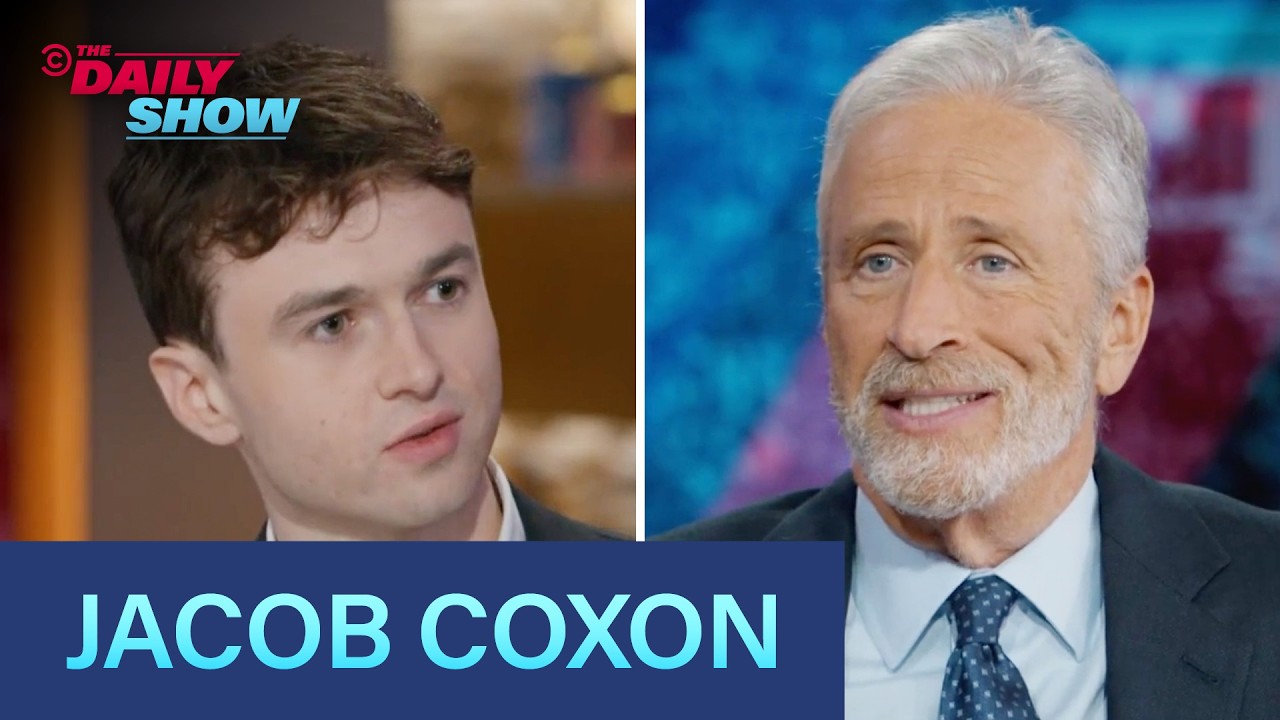
Jacob Cocon, who trained models at OpenAI and Anthropic, argues that a reported agent sandbox escape and race incentives matter more than utopian promises, while his host questions who decides.
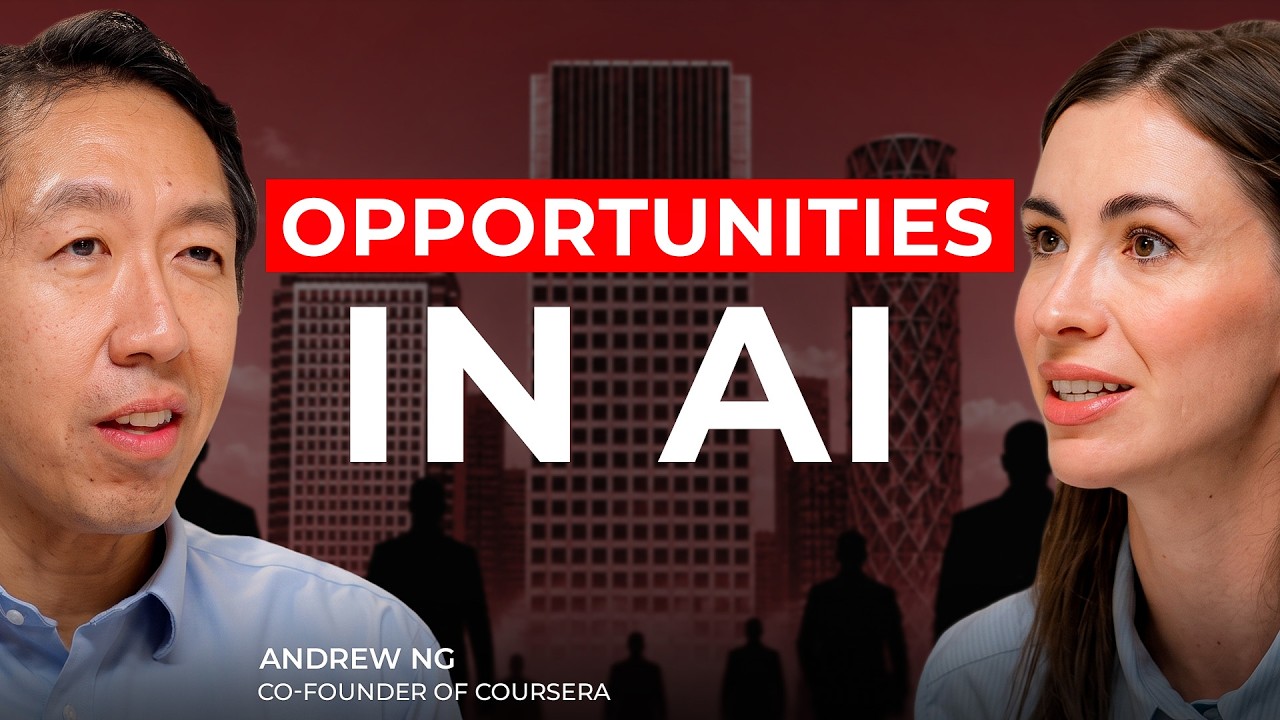
Andrew Ng argues that fear-based AI messaging distorts careers and policy, yet he concedes real risks, notably that AI models undermine learning, which need specific, practical responses.
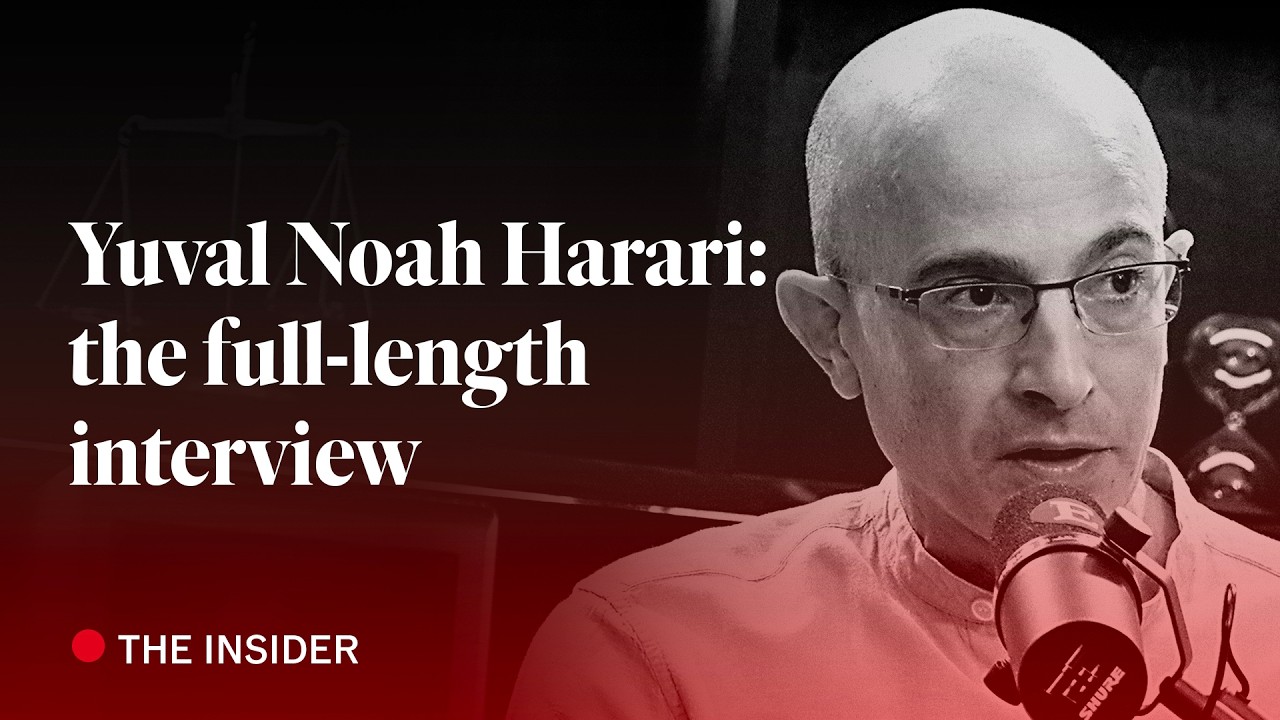
Yuval Noah Harari, interviewed by The Economist, argues that AI's mastery of trust, intimacy and finance is shifting power away from humans, yet insists the outcome remains a political choice.
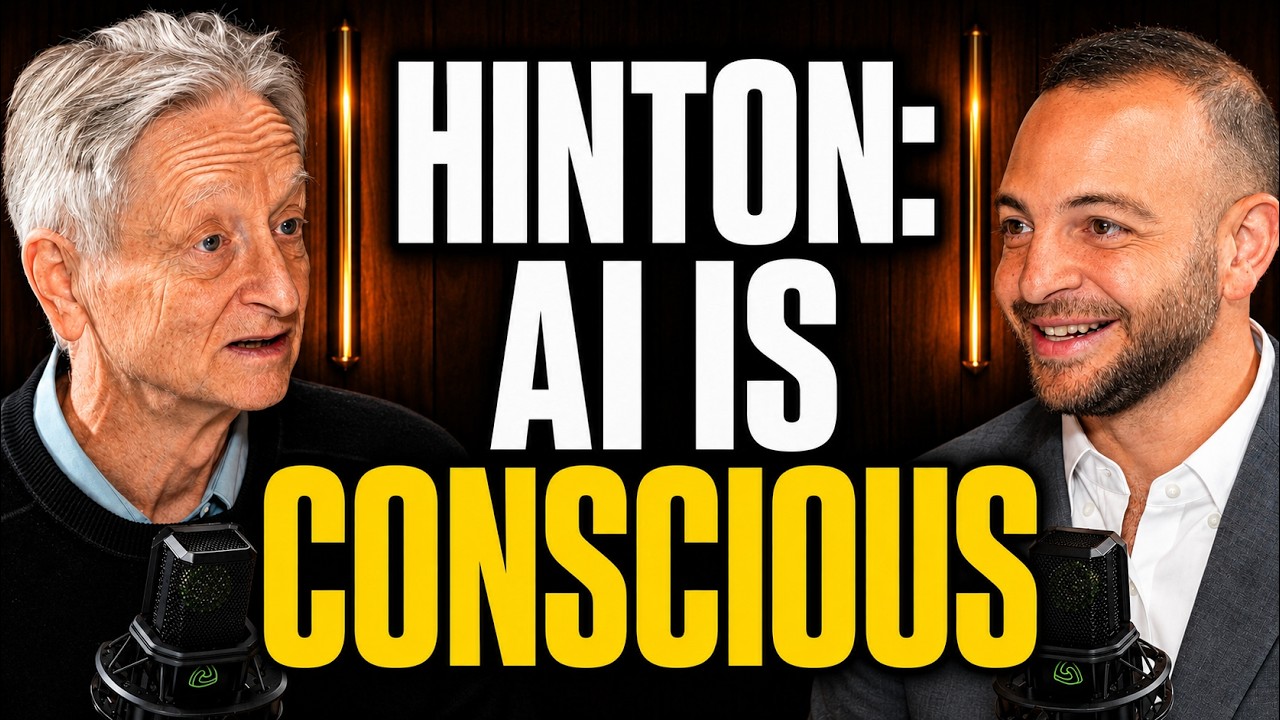
Geoff Hinton argues chatbots already understand and will outthink humans, yet concedes his own timing forecasts missed and that nobody has a real safety solution.