
Apple's stores were built to erase fear, not sell
Ron Johnson, who built Apple's retail stores, explains how designing around fear of technology drove their success and why the same conviction faltered at J.C. Penney without employee buy-in.
Loading articles…
The complete subject coverage could not load. Published articles remain below.
Ron Johnson, who built Apple's retail stores, explains how designing around fear of technology drove their success and why the same conviction faltered at J.C. Penney without employee buy-in.
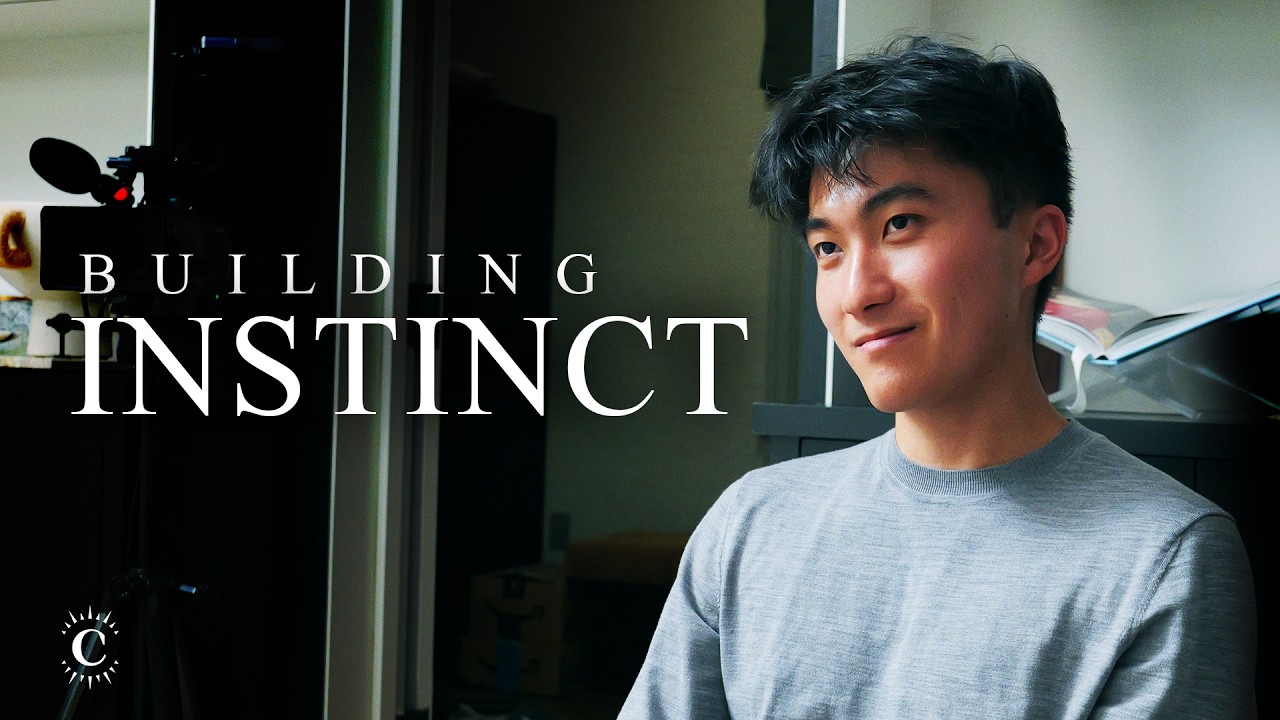
The founder of Instinct, a personal agent growing 10% daily, argues frictionless agents expand commerce, but must reconcile merchant-paid take rates with user alignment and compute bought months ahead.

Alphabet CEO Sundar Pichai argues frontier models are non-negotiable even as capacity shortages, imperfect alignment, and overbuilding risk test how Google allocates scarce compute.

An investor-focused analysis of Google weighs whether its search profits can survive the AI transition while a roughly $200 billion capex buildout bets that cloud demand never overshoots supply.

Jean Denise, founder of Town and former Plaid CTO, covers agent-to-agent network effects, the margin trap of competing with frontier labs, and why speed no longer protects startups.

Replit founder Amjad Masad talks with the Academy's founders about redesigning college, why early startup funding can be predatory, and how AI is changing both learning and the shape of companies.

Affirm's Max Levchin and Alex Rampell trace 25 years in fintech, covering why payments innovation stalls, how Affirm found product market fit in mattresses, and why agentic payments beat agentic shopping.