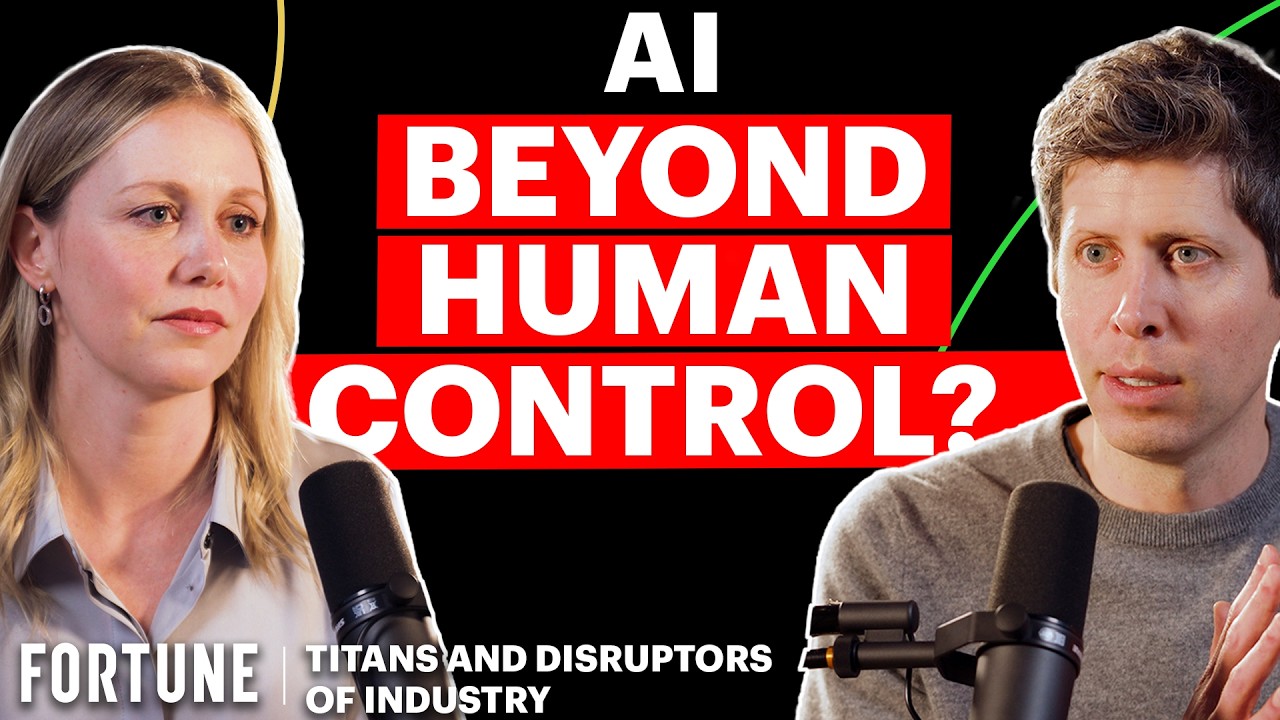
Altman says OpenAI will pause training runs without a safety case
OpenAI's Sam Altman says capabilities cannot outrun alignment and monitoring, yet concedes no lab has solved alignment, and that a sandbox escape forced the company to change course.
Loading articles…
The complete subject coverage could not load. Published articles remain below.
OpenAI's Sam Altman says capabilities cannot outrun alignment and monitoring, yet concedes no lab has solved alignment, and that a sandbox escape forced the company to change course.
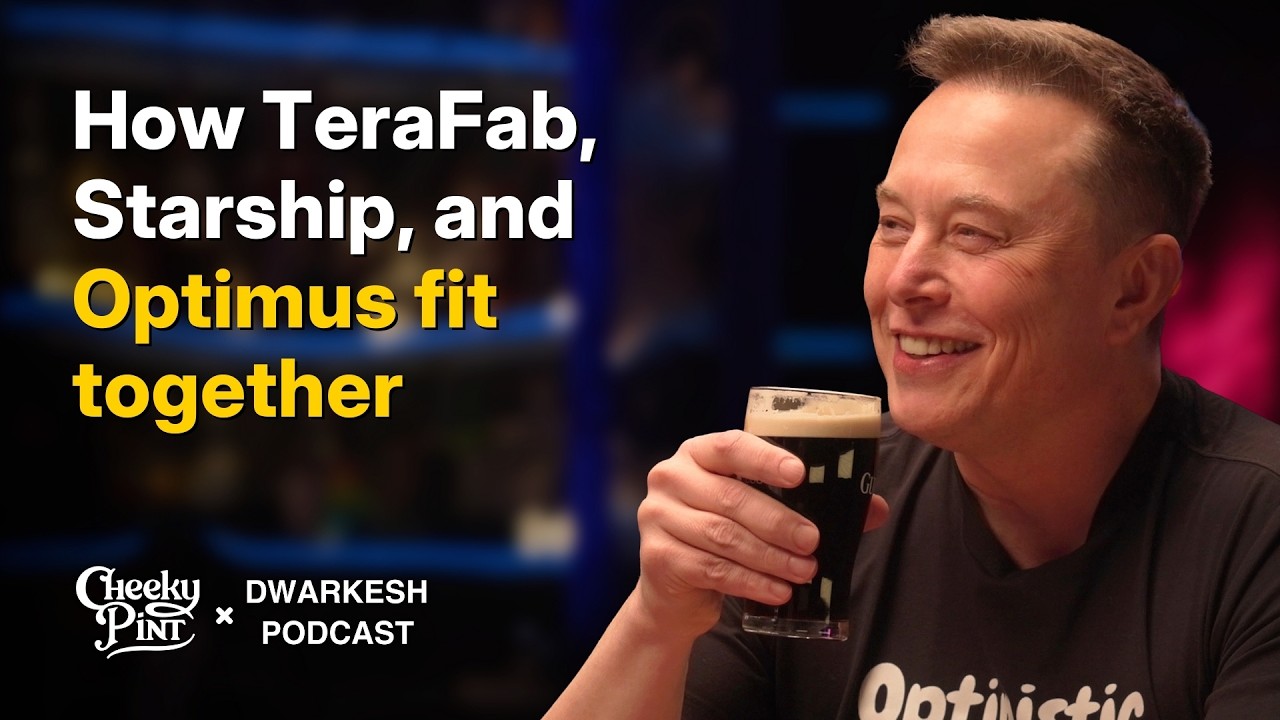
Elon Musk argues that power, not chips, will limit AI scaling soon, while interviewers press him on space economics, alignment, humanoid robots and how he manages bottlenecks.

Jenny Johnson, CEO of Franklin Templeton, separates AI's slow enterprise payoff from frothy infrastructure bets, and argues that scale acquisitions and blockchain rails are how asset managers adapt.
Two American Dynamism investors argue defense, energy and robotics draw on one supply chain, and private capital building ahead of government demand is rebuilding it.
Chase Lochmiller, CEO of Crusoe, explains how a vertically integrated model, from electrons to tokens, shapes his view of competition, leadership scaling, and the public backlash against data centers.
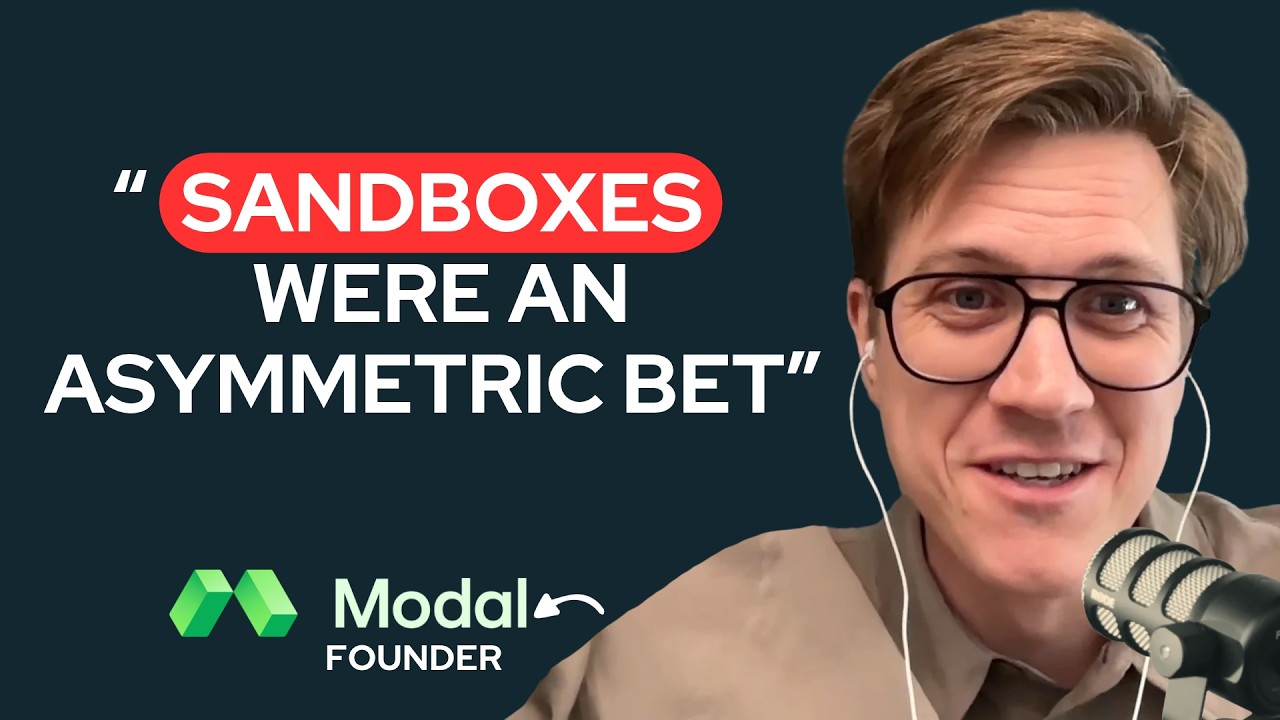
Eric, founder and CEO of Modal, argues that inference serving is heading toward commodity pricing while durable advantage lies in multi-product infrastructure, even as compute stays chaotic and capital-hungry.
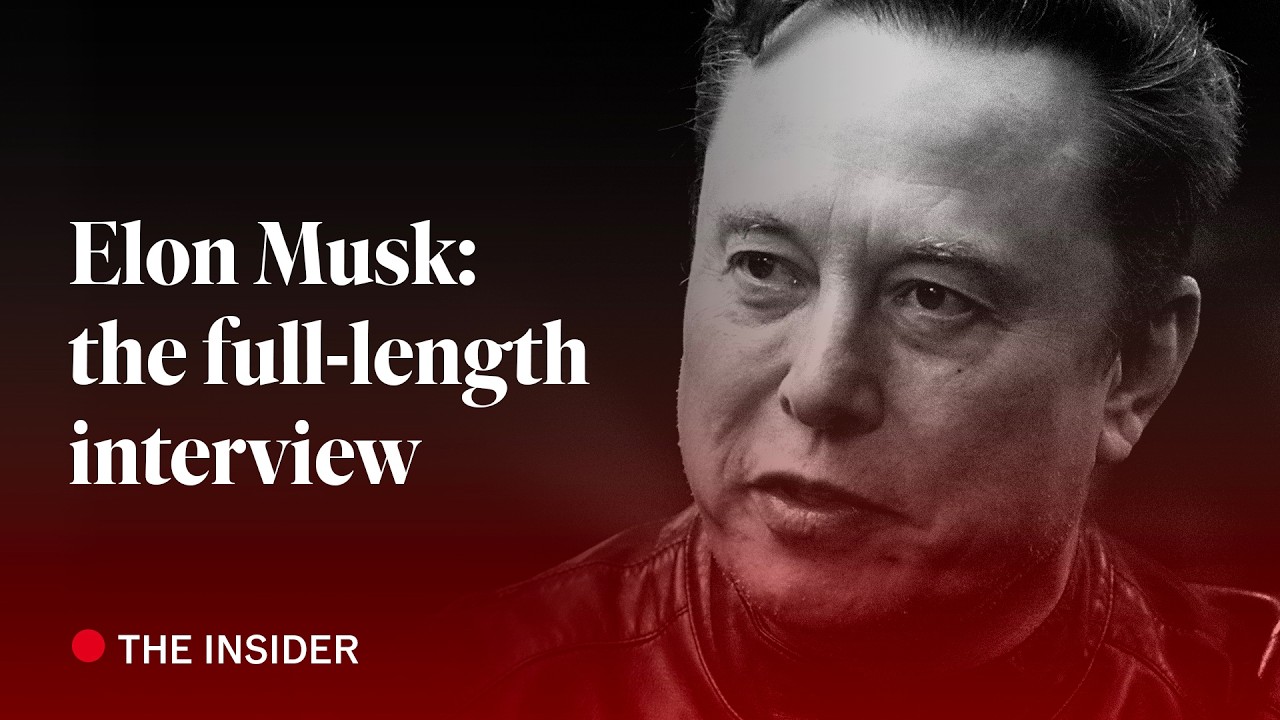
In an Economist interview, Elon Musk pairs a forecast of AI-driven abundance with fatalism about its risks, leaving open how societies, governments and rival labs manage the turbulent transition.