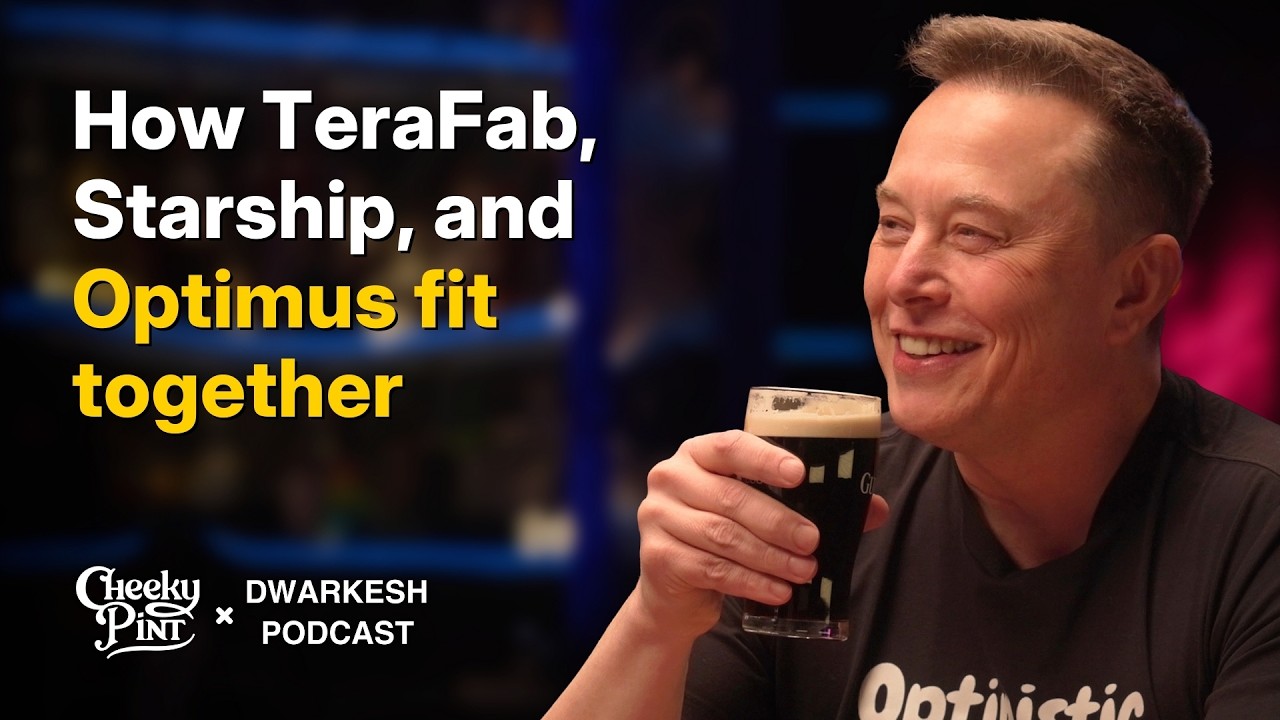
Musk bets electricity scarcity will push AI compute into space
Elon Musk argues that power, not chips, will limit AI scaling soon, while interviewers press him on space economics, alignment, humanoid robots and how he manages bottlenecks.
Loading articles…
The complete subject coverage could not load. Published articles remain below.
Elon Musk argues that power, not chips, will limit AI scaling soon, while interviewers press him on space economics, alignment, humanoid robots and how he manages bottlenecks.
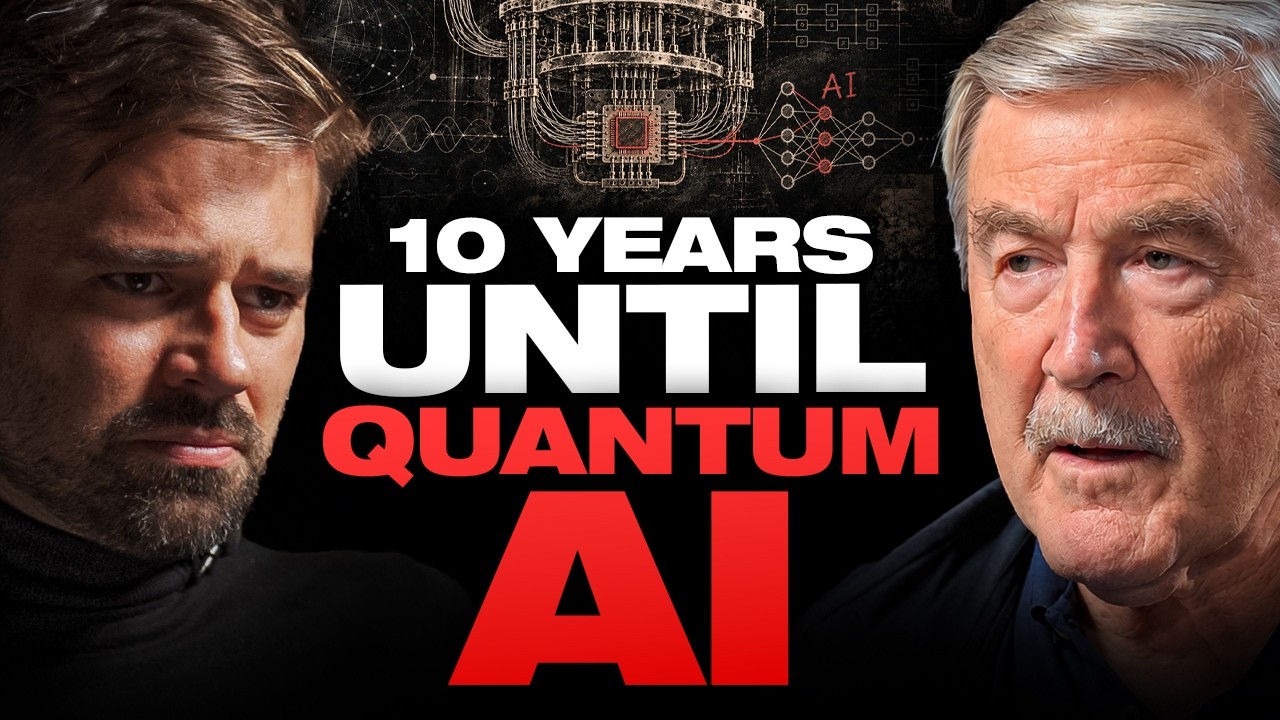
Physicist Paul Davies contrasts today's human-like AI with a hypothetical quantum AI, and argues that the origin of life, and hence whether we are alone, remains genuinely unexplained.
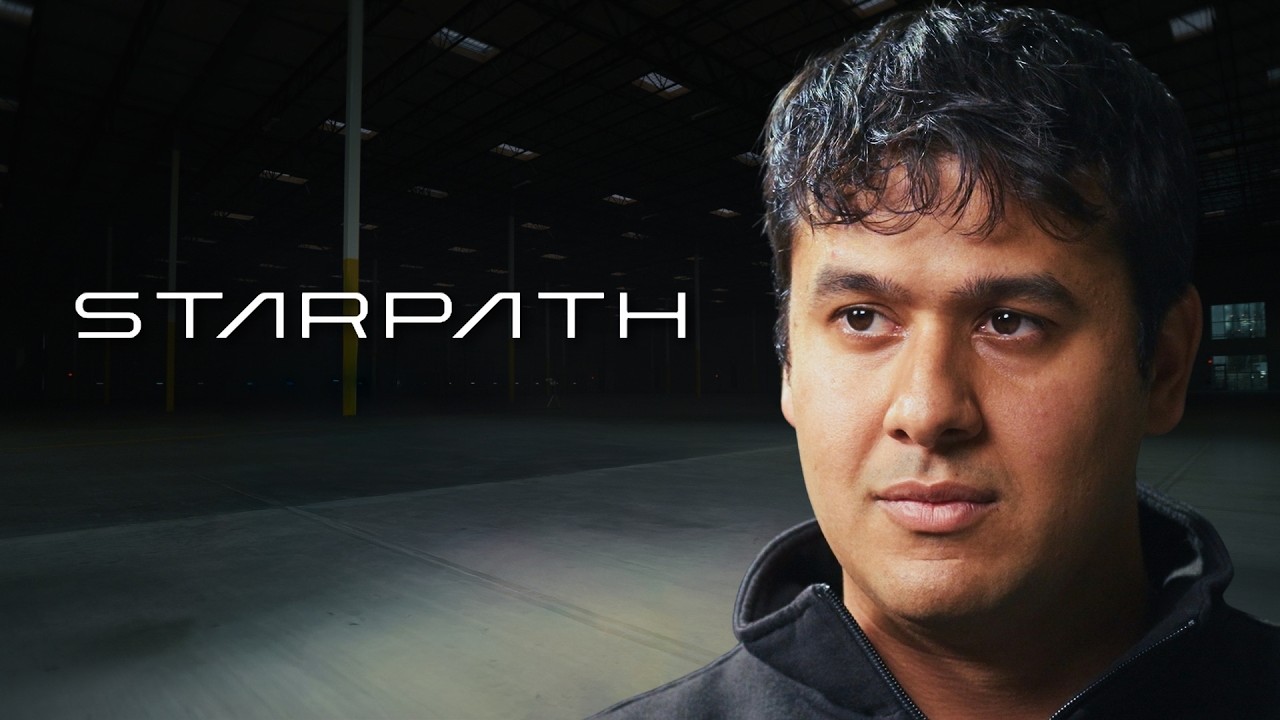
Starpath CEO Saroj Sharaf argues orbital AI compute depends on fully reusable rockets whose owners have little reason to sell, pushing a solar-panel maker toward building its own launch company.
Gavin Baker and David George, both investors, get into sub-one-year compute paybacks, the political fight over data centers, and why Nvidia's financing ecosystem is hard to beat.
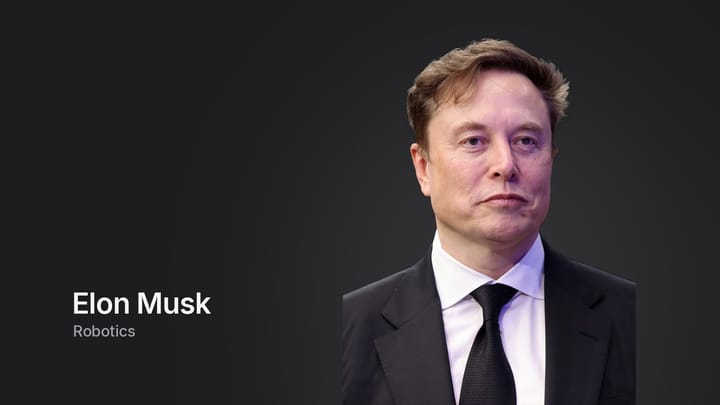
Elon Musk, interviewed by Walter Isaacson, covers why he chose to participate in AI despite existential risk, his regrets about government work, and a future where money stops mattering.