
Mallard Bay founder says AI shifts niche SaaS toward payroll budgets
Joel Morrow of Mallard Bay, a software platform for outdoor outfitters, argues AI can expand a niche market's value, while investors split on whether niche markets deserve capital.
Loading articles…
The complete subject coverage could not load. Published articles remain below.
Joel Morrow of Mallard Bay, a software platform for outdoor outfitters, argues AI can expand a niche market's value, while investors split on whether niche markets deserve capital.
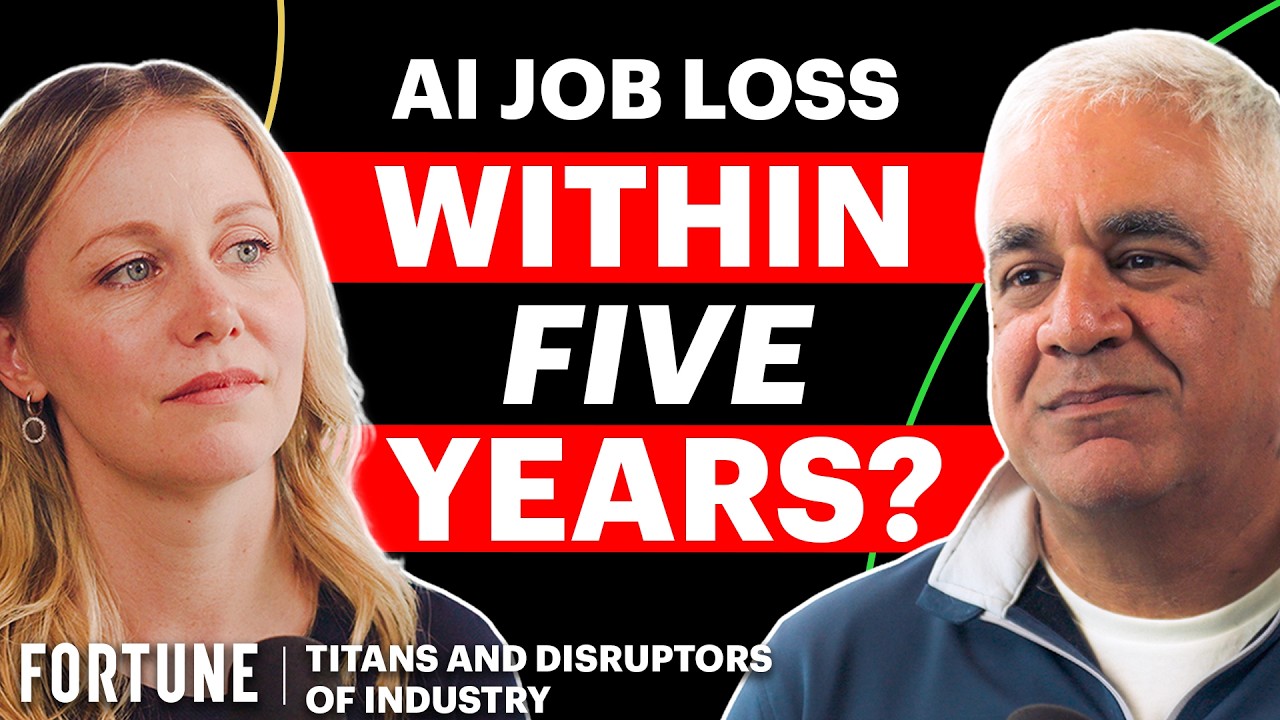
Returning Workday CEO Aneel Bhusri argues payroll-grade determinism shields his software from AI disruption, while conceding his own agents will replace junior auditors and some lawyers.

Sprinto CEO Girish Reddicar, a bootstrapped founder turned VC-backed operator, argues that as AI makes building cheap, the hard part becomes finding painful problems and earning enterprise trust.

Mews CEO Matthijs Wellem explains why a company flush with $300 million restructured 170 people, collapsing management layers for AI-native work, and what that demands of talent and culture.
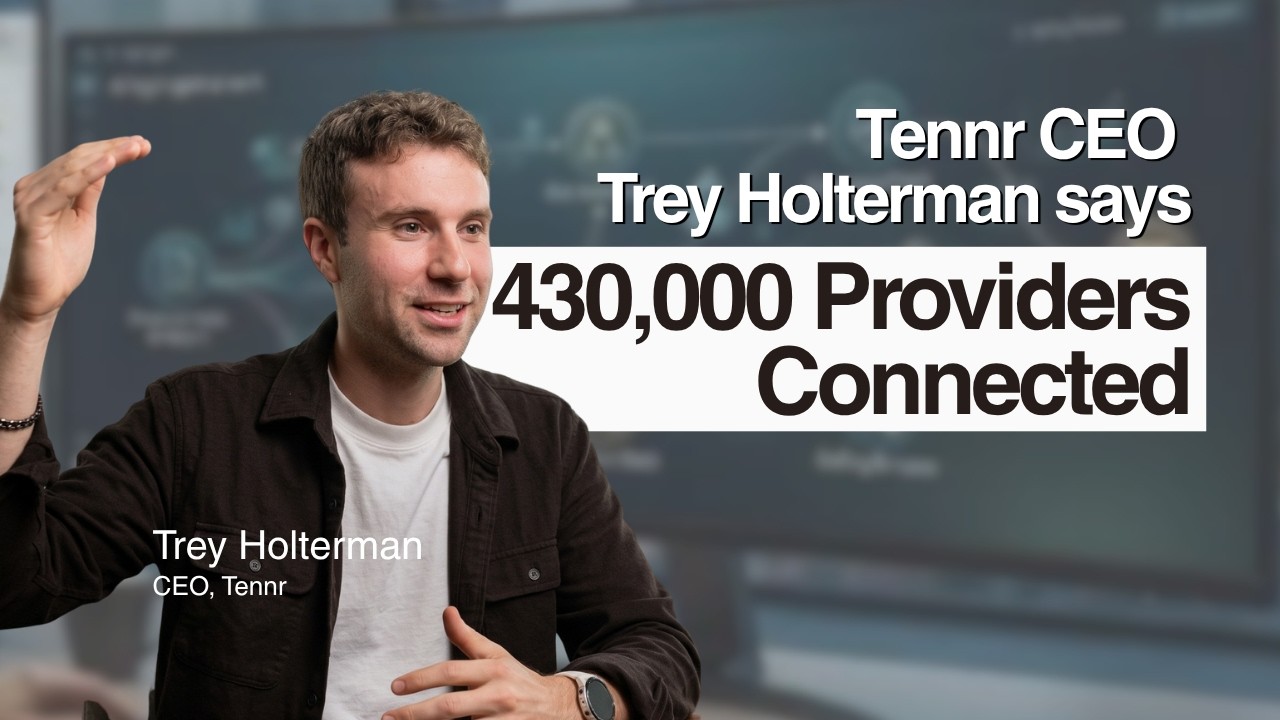
Tener CEO Trey Holterman argues that AI agents can now handle healthcare's referral paperwork, but patient behavior, misaligned incentives and chatbot-driven specialty demand remain harder problems than the technology.

Antoine Fort, CEO of sales compensation platform Cobra, argues AI agents will turn software into labor and expand revenue, while his capital-light growth to roughly $7M ARR rests on human commissioned reps.
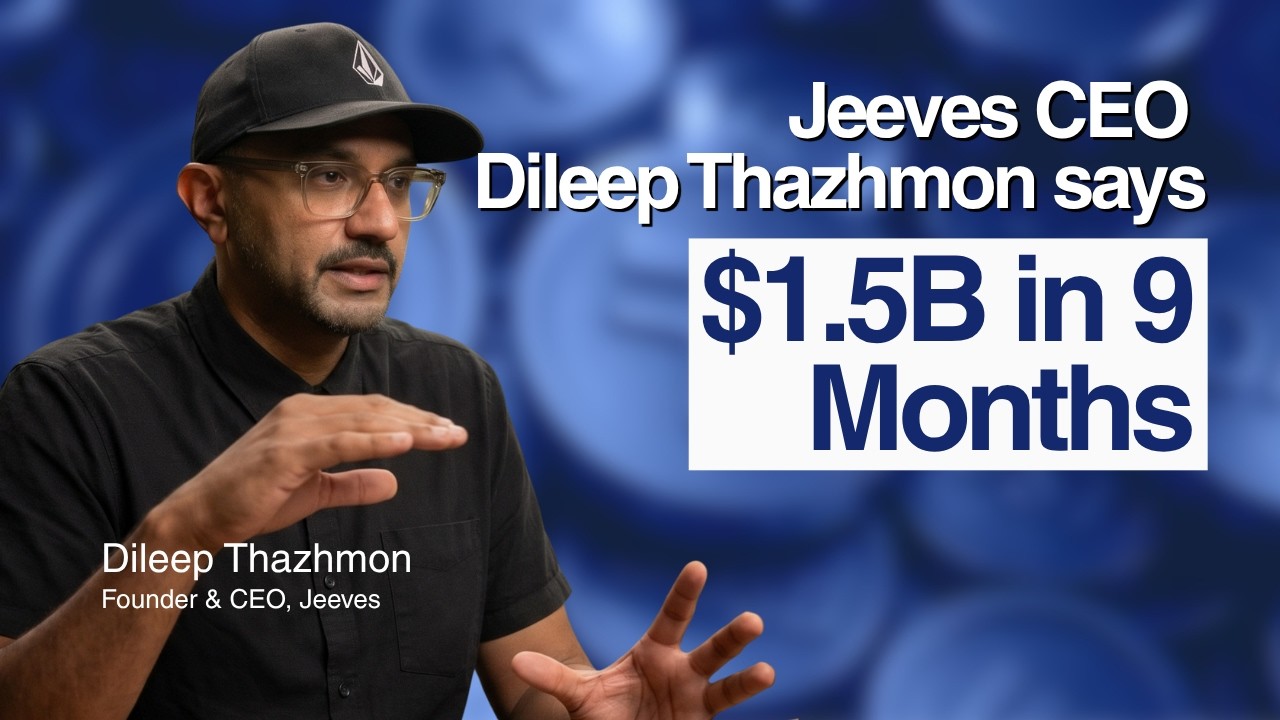
Jeeves CEO Dip Tasman argues stablecoin rails succeed with CFOs when invisible and bundled into banking workflows, even as fee compression, regulation, and local-currency liquidity remain unresolved.