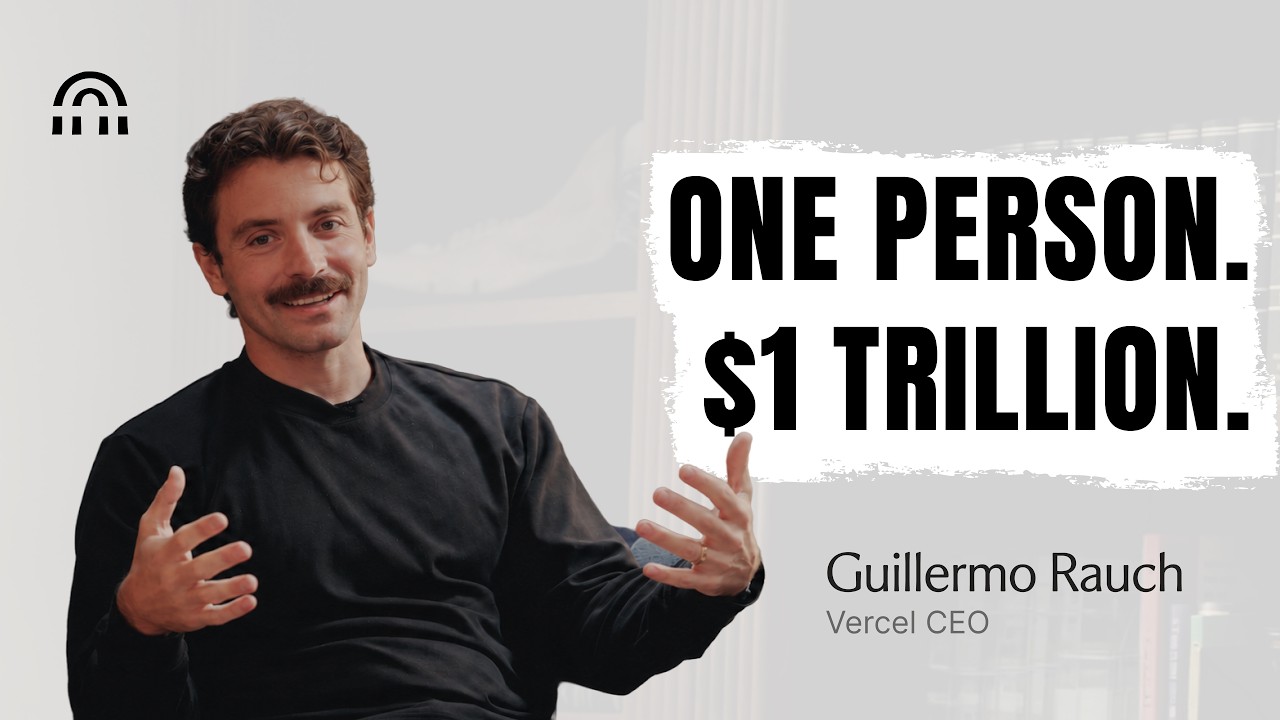
Rauch says coding agents validated Vercel's decade-long headless bet
Vercel CEO Guillermo Rauch argues that agents reward API-first infrastructure and verification loops, while insisting humans must keep understanding and judgment as autonomy grows.
Loading articles…
The complete subject coverage could not load. Published articles remain below.
Vercel CEO Guillermo Rauch argues that agents reward API-first infrastructure and verification loops, while insisting humans must keep understanding and judgment as autonomy grows.
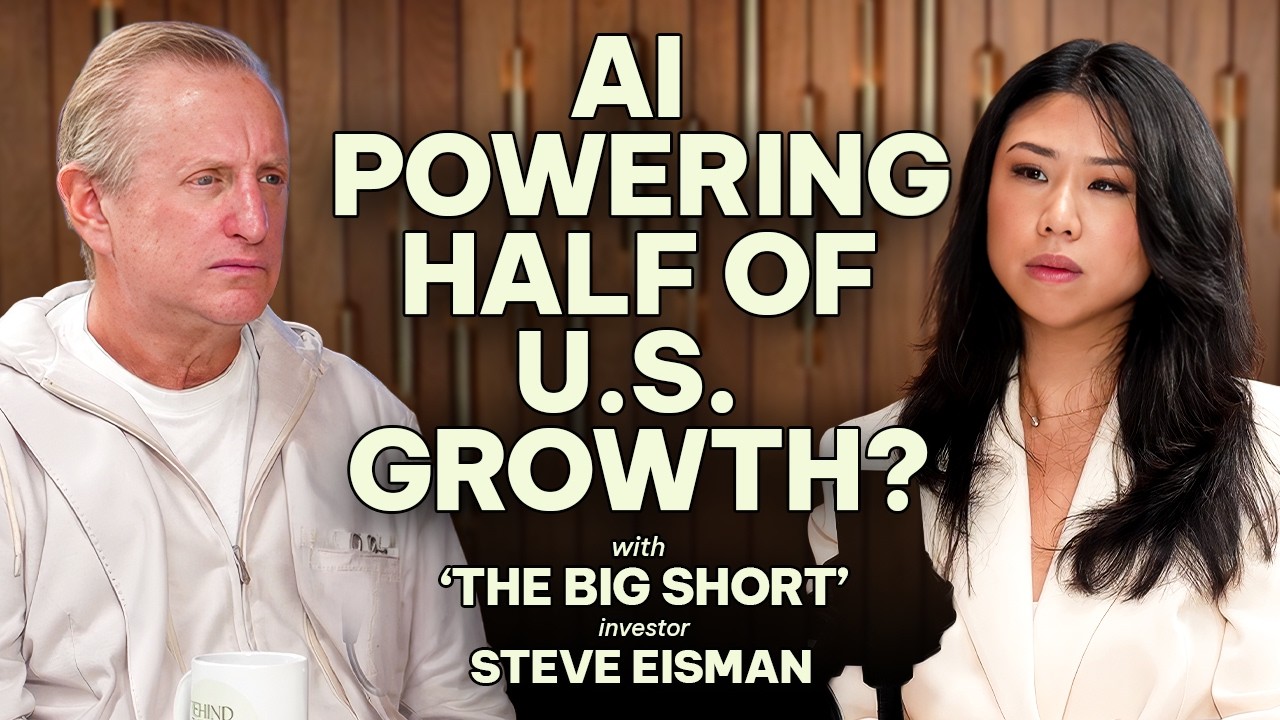
Steve Eisman, who bet against subprime, argues the AI capex behind half of US growth depends on two money-losing companies, while private credit risks look painful but not systemic.
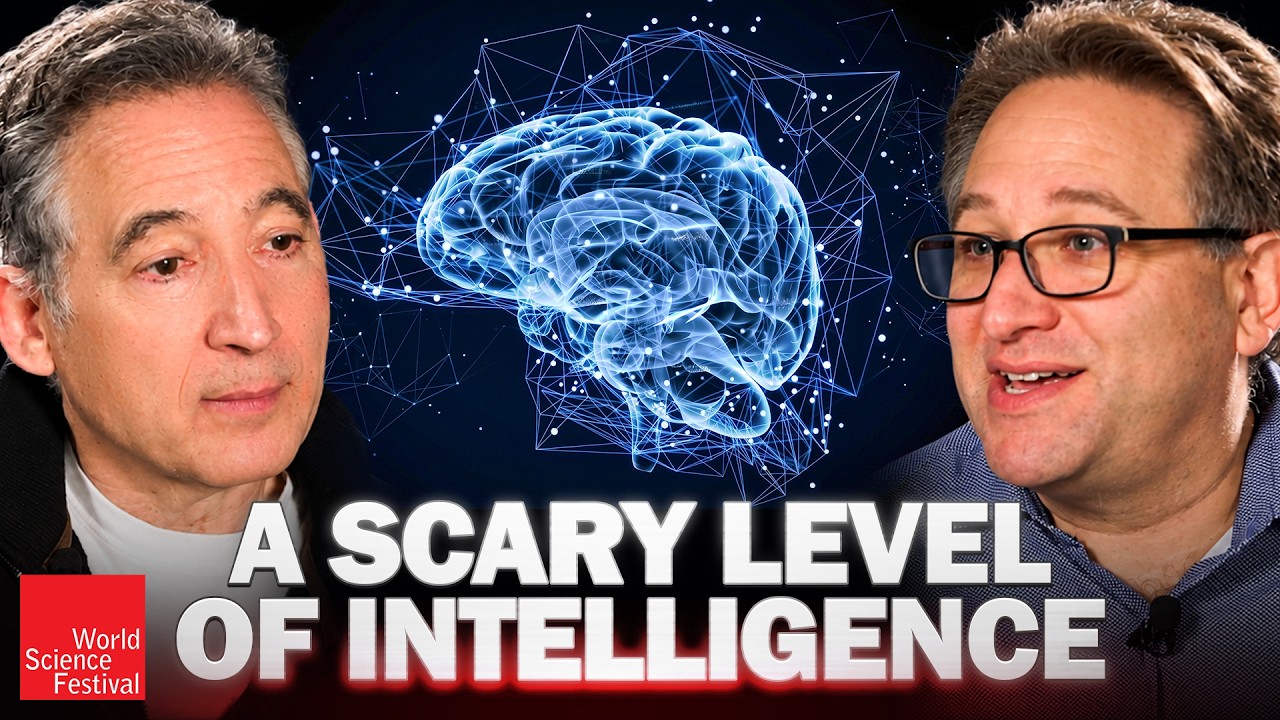
Theorist Scott Aaronson argues AI is clearing career-defining problems, leaving humans to interpret results, choose questions and supervise unaligned systems, though he doubts any such role is permanent.
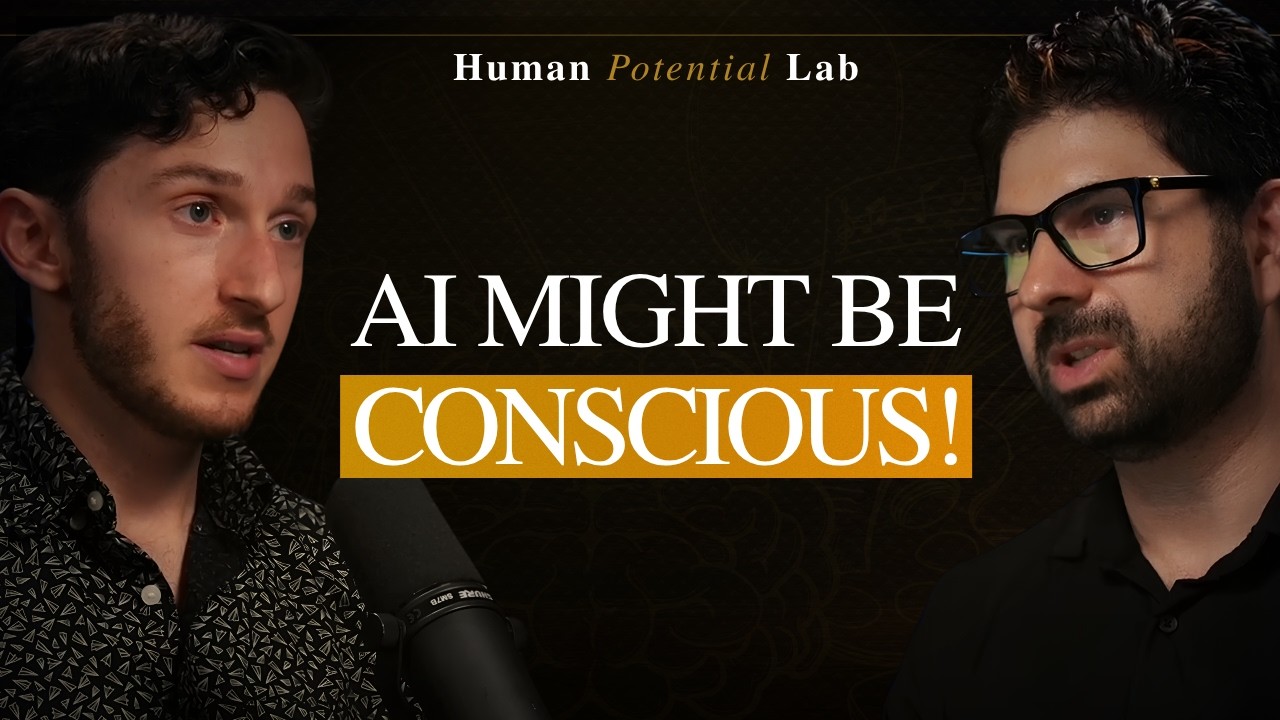
Cameron Berg argues that scaled neural networks may already have functional emotions, and that AI safety and AI welfare share one unresolved root: nobody knows what these systems are.
Signal AI analysts Andrew Smith and Scott Wilkinson argue that Marvell's reported Lumentum bid is about owning the whole optical stack, even though it would mean competing with Marvell's own DSP customers.
David Tisch of Box Group defends his 150-company, low-ownership seed model against a host who once doubted it, arguing larger outcomes and thinner dilution have rewritten venture math.
Economist Felix Nicholas Pin argues that midterm clarity, digested AI spending and rising liquidity create a rare buying window, but his case leans on historical patterns and unquantified assertions.