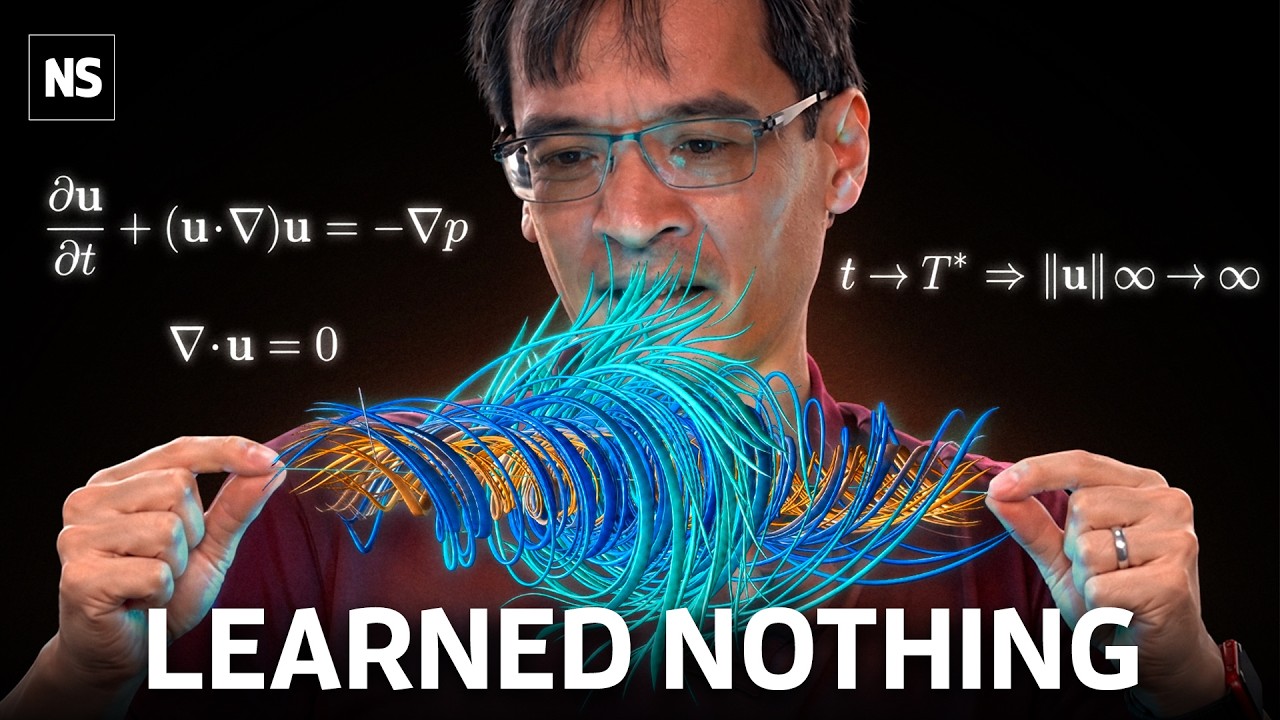
Tao: AI solves math problems but leaves understanding behind
Fields Medal winner Terry Tao argues AI excels at verifiable math answers but adds little understanding, while its capabilities outrun the theory and safety work needed to govern them.
Loading articles…
The complete subject coverage could not load. Published articles remain below.
Fields Medal winner Terry Tao argues AI excels at verifiable math answers but adds little understanding, while its capabilities outrun the theory and safety work needed to govern them.
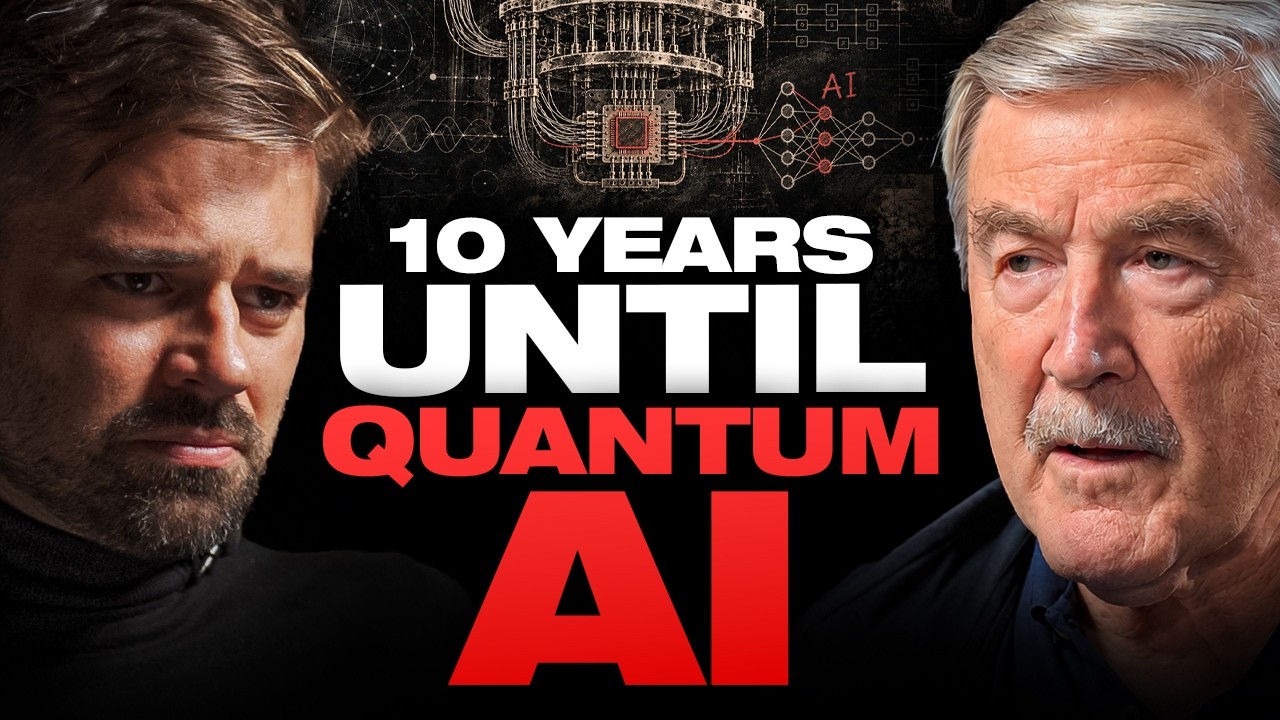
Physicist Paul Davies contrasts today's human-like AI with a hypothetical quantum AI, and argues that the origin of life, and hence whether we are alone, remains genuinely unexplained.
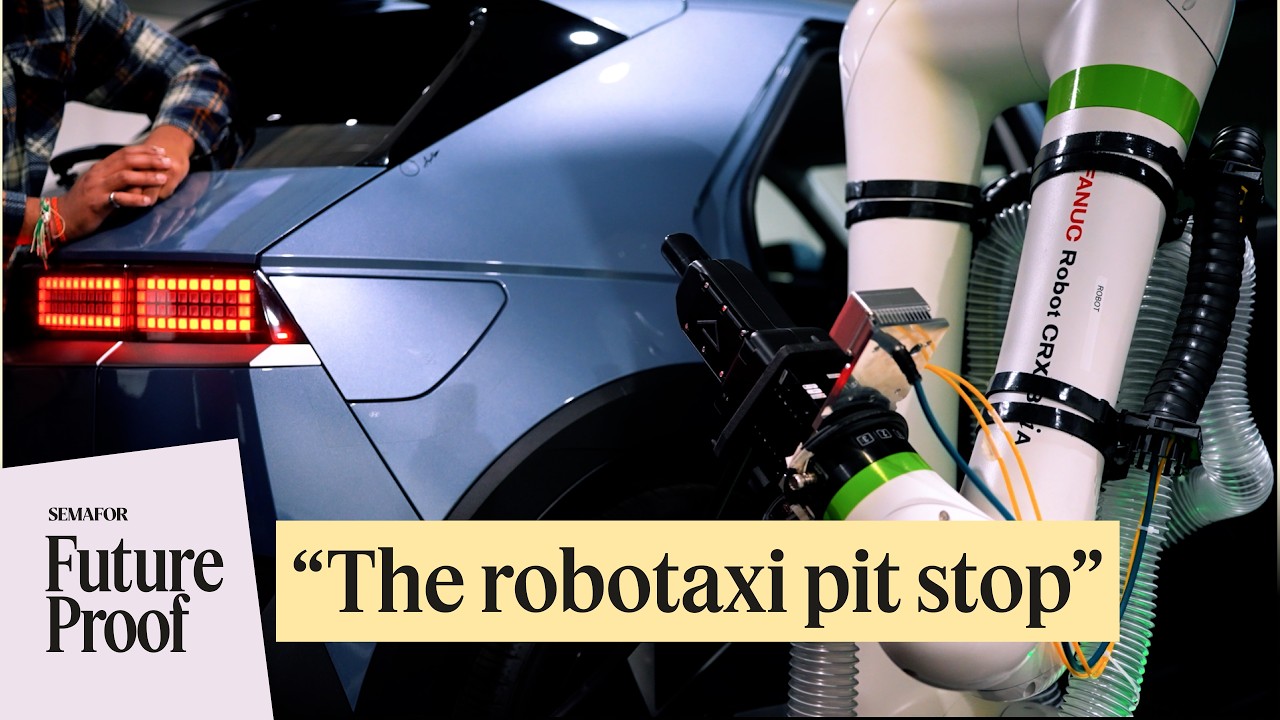
Acon co-founder George Calaigeras argues robotaxi profitability hinges on fleet utilization, not cleaning cost, and that distributed robotic pods on scarce urban land beat depots, though customers remain unannounced.
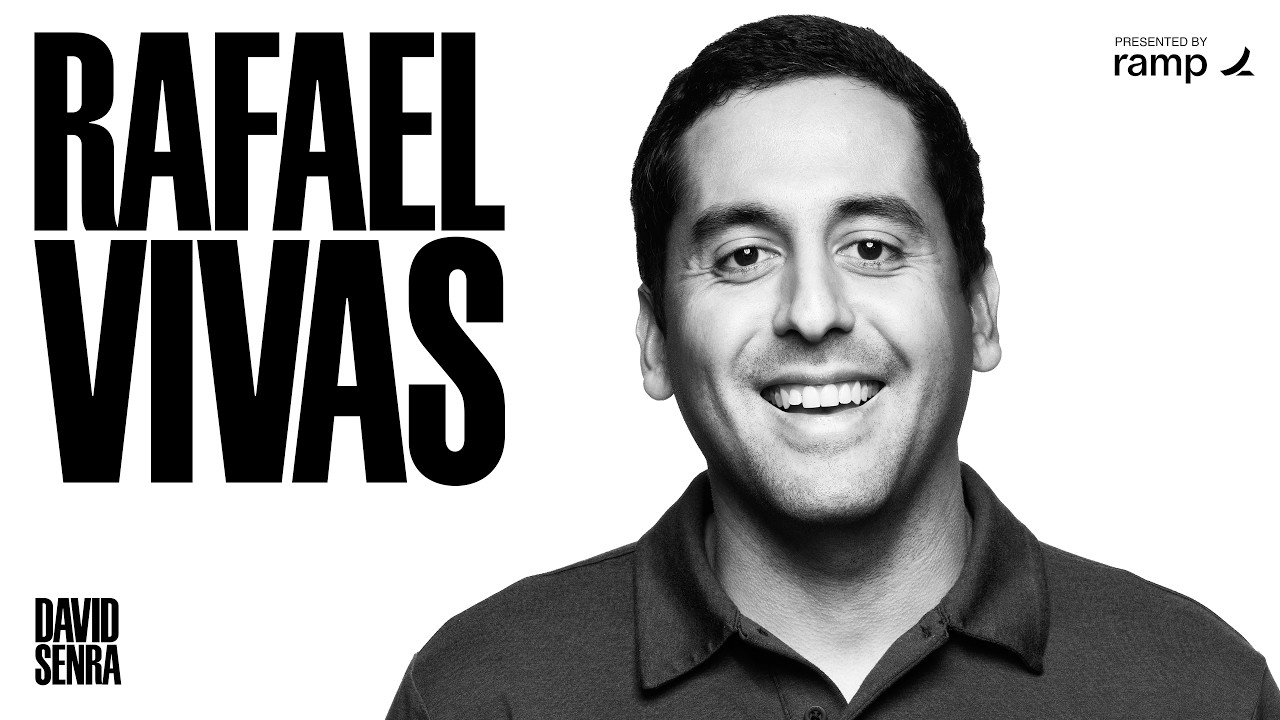
AppLovin's Rafael Vivas traces how a high school dropout and a pre-revenue team beat pedigreed, venture-backed rivals through hands-on operating, technology-first bets and constant pressure, raising the question of whether that model can last.
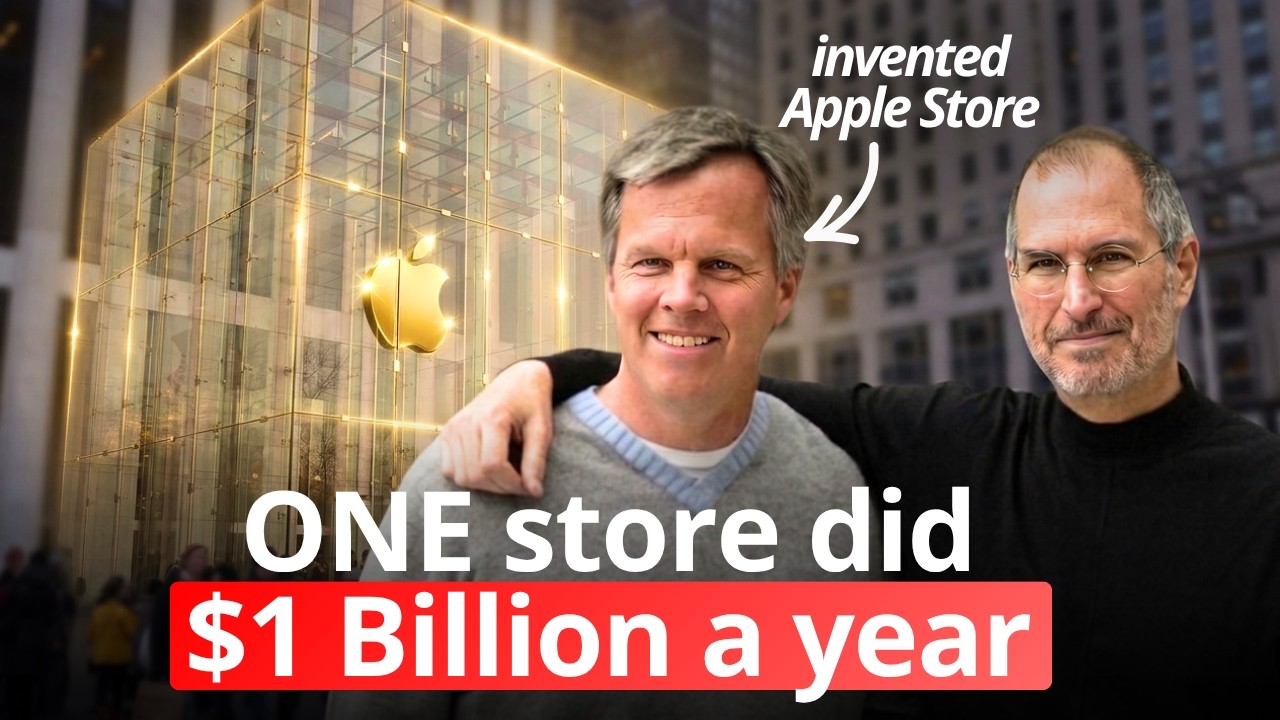
Ron Johnson, who built Apple's retail stores, explains how designing around fear of technology drove their success and why the same conviction faltered at J.C. Penney without employee buy-in.
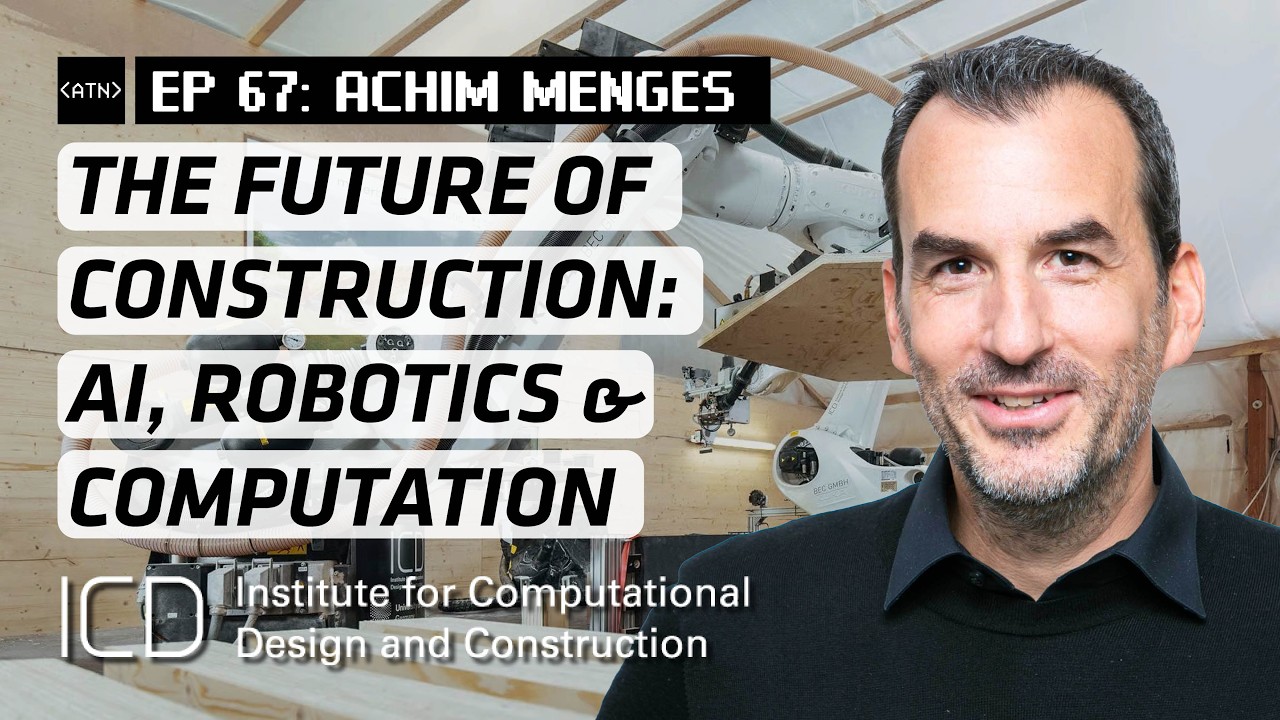
Achim Menges, founder of Stuttgart's Institute for Computational Design and Construction, argues AI is lowering robotics' skill barrier, but industry business models, not technology, remain the binding constraint.
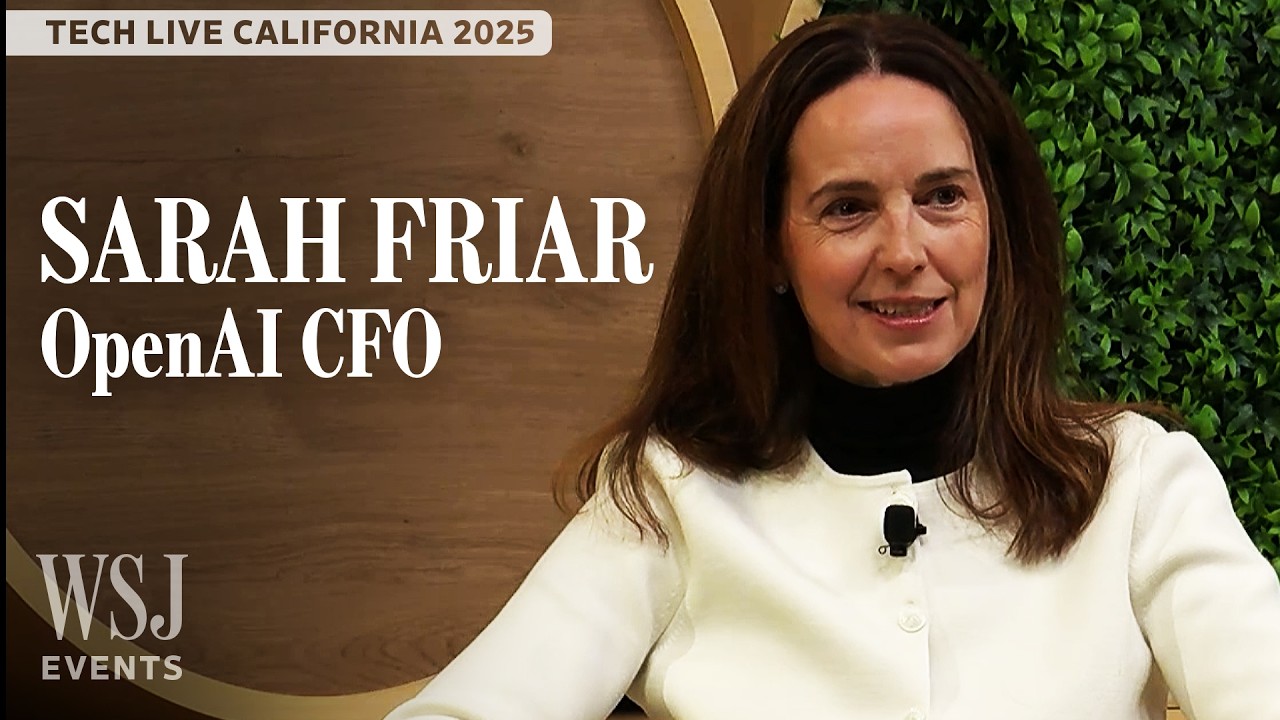
OpenAI CFO Sarah Friar argues demand justifies financing compute at national-grid scale, but the case rests on unproven chip lifespans, asserted margins, and investor patience with heavy spending.