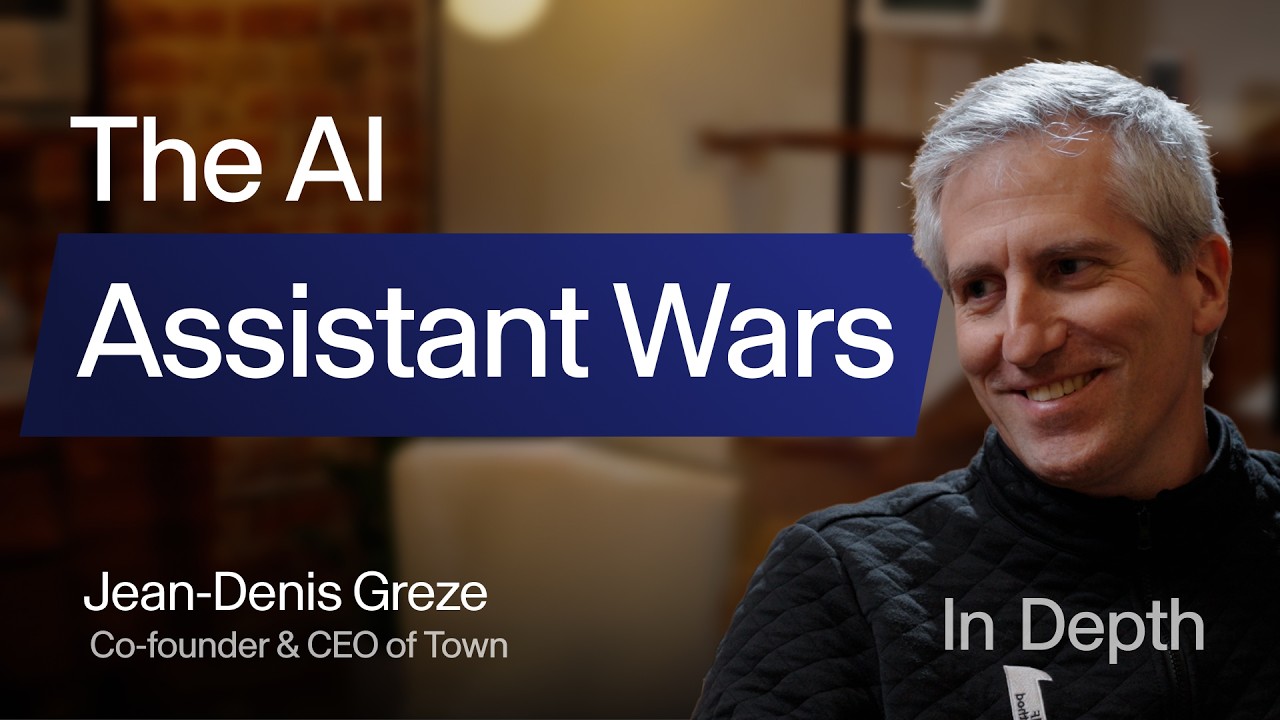
In AI assistants, product leads now last weeks, not years
Jean Denigrees, CEO of Town, argues that when rivals copy features within weeks, durable advantage must come from model neutrality, trust, and teaching mainstream users what agents can do.
Loading articles…
The complete subject coverage could not load. Published articles remain below.
Jean Denigrees, CEO of Town, argues that when rivals copy features within weeks, durable advantage must come from model neutrality, trust, and teaching mainstream users what agents can do.

Investor Gavin Baker, reacting to Anthropic's S-1, argues demand is outrunning compute supply, while counterpoints on customer concentration and training-heavy compute test how far that optimism can run.
An investor valuing Anthropic's newly filed prospectus finds the same data supports both bull and bear readings, while a founder-controlled governance structure complicates any price he would pay.
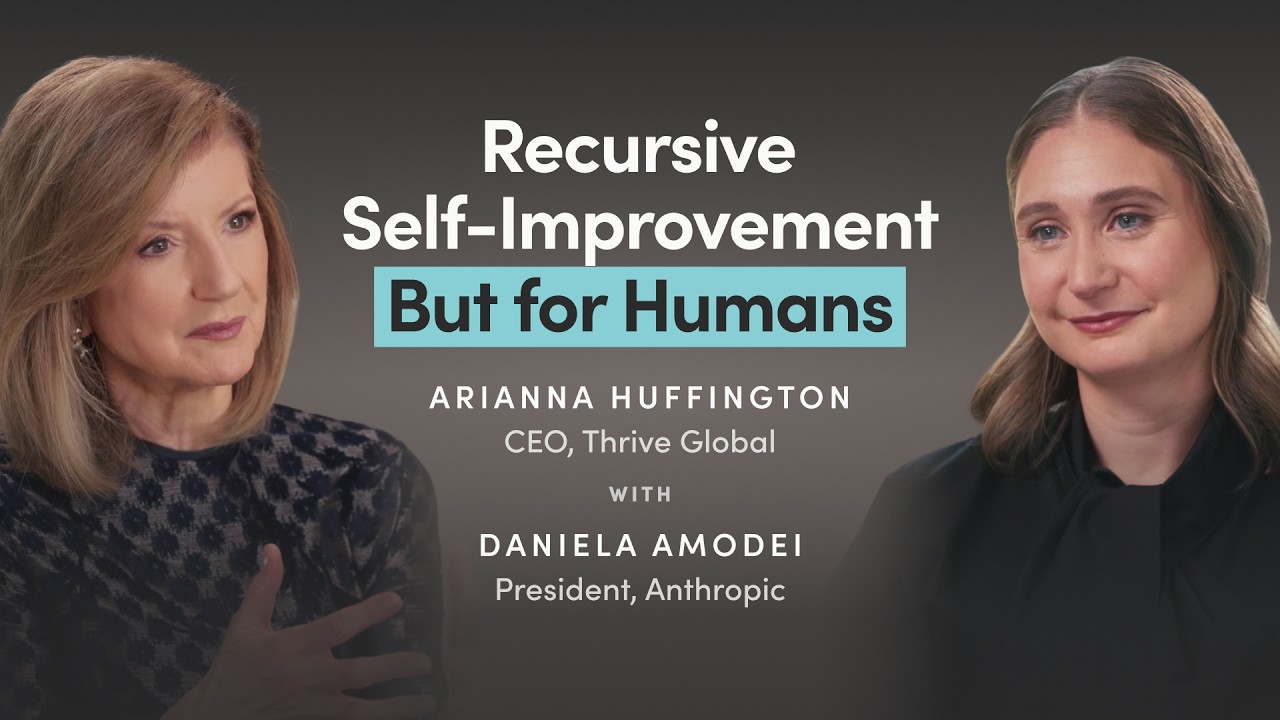
Anthropic president Daniela Amodei argues AI should absorb isolating work and avoid engagement-driven design, freeing time for human connection; the interviewer notes saved time is often spent as before.

Scott Aaronson, a UT Austin computer scientist, argues the bottleneck in mathematics, AI safety and quantum computing is no longer producing answers but formalizing, verifying and understanding them in time.
Cliff, an investor with a concentrated Carvana portfolio, argues intelligence is bounded by chaotic, physical reality, so AI demand may undershoot the buildout while data, attention, and scale gain value.

Revolut's Nik Storonsky argues that founder alignment, metric-driven discipline and hardship-forged skill beat professional management, but his case rests largely on his own experience.