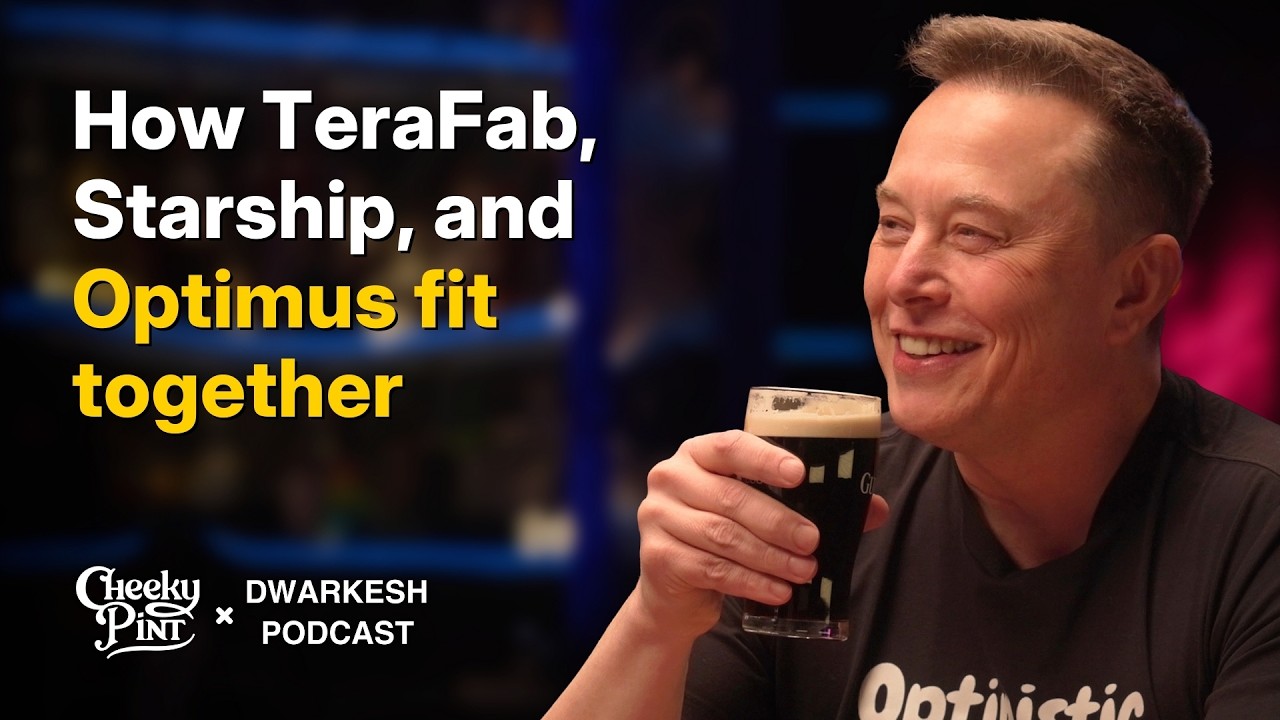
Musk bets electricity scarcity will push AI compute into space
Elon Musk argues that power, not chips, will limit AI scaling soon, while interviewers press him on space economics, alignment, humanoid robots and how he manages bottlenecks.
Loading articles…
The complete subject coverage could not load. Published articles remain below.
Elon Musk argues that power, not chips, will limit AI scaling soon, while interviewers press him on space economics, alignment, humanoid robots and how he manages bottlenecks.
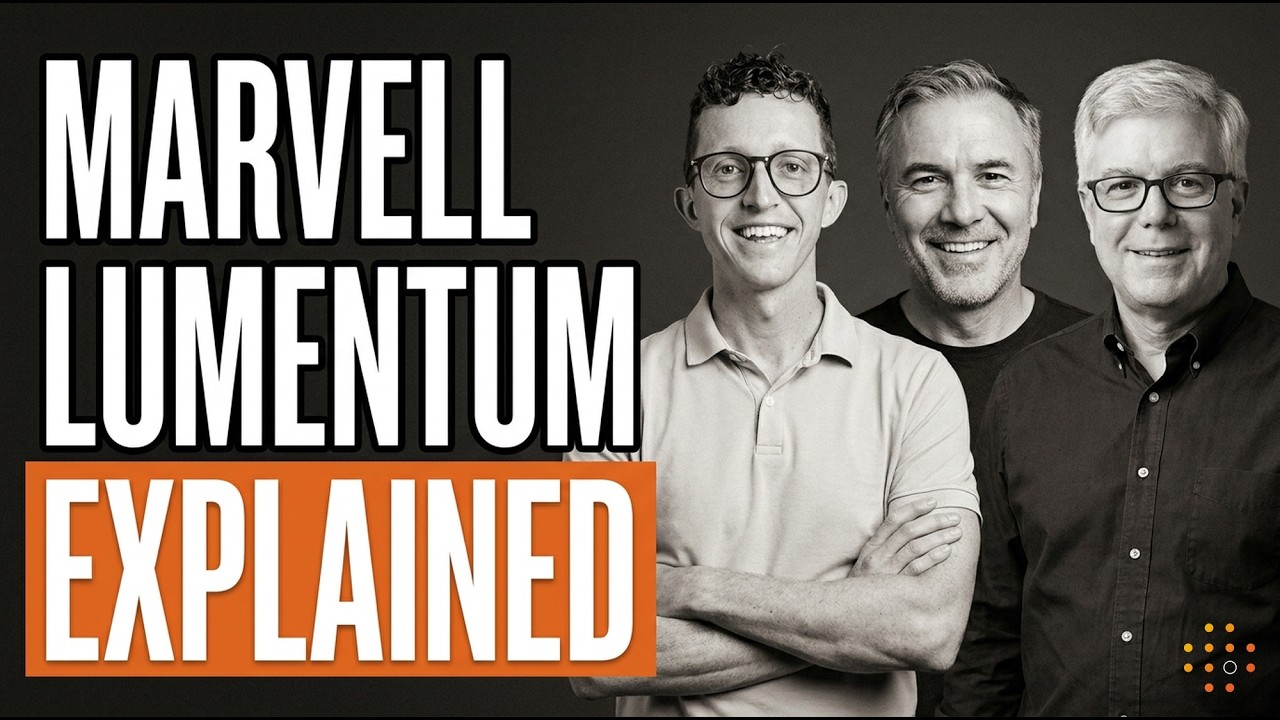
Signal AI analysts Andrew Smith and Scott Wilkinson argue that Marvell's reported Lumentum bid is about owning the whole optical stack, even though it would mean competing with Marvell's own DSP customers.
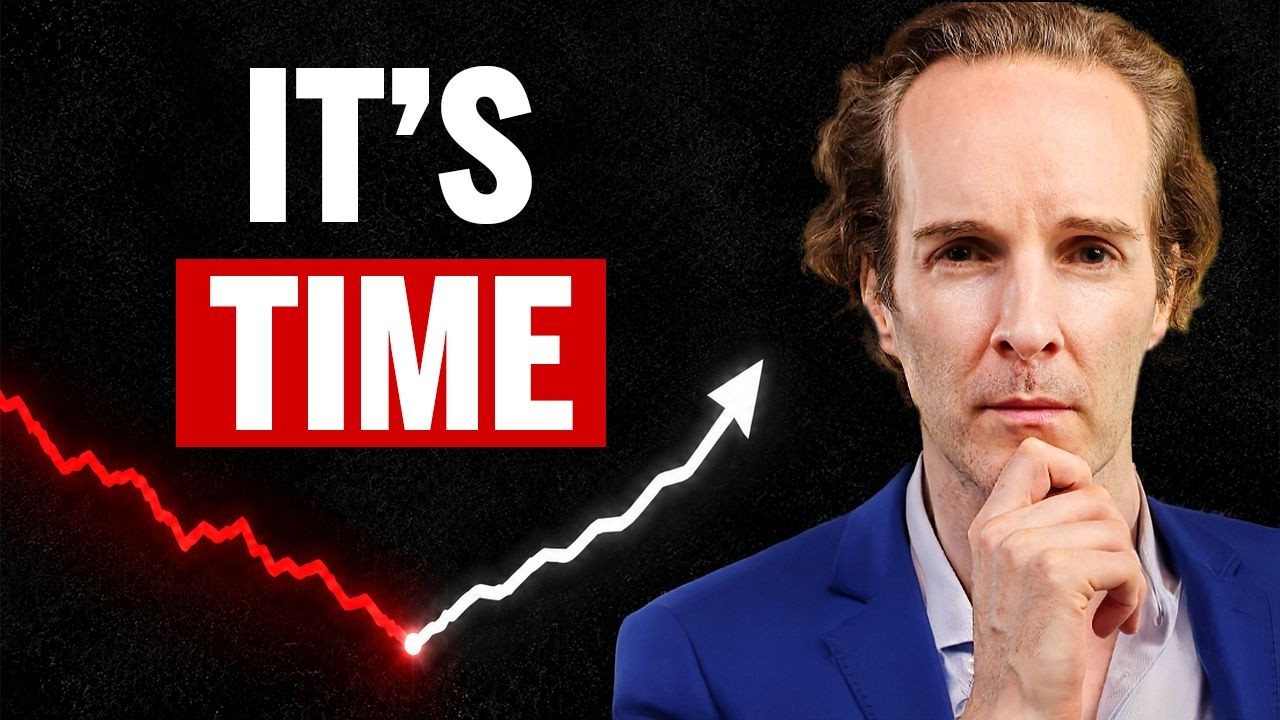
Economist Felix Nicholas Pin argues that midterm clarity, digested AI spending and rising liquidity create a rare buying window, but his case leans on historical patterns and unquantified assertions.
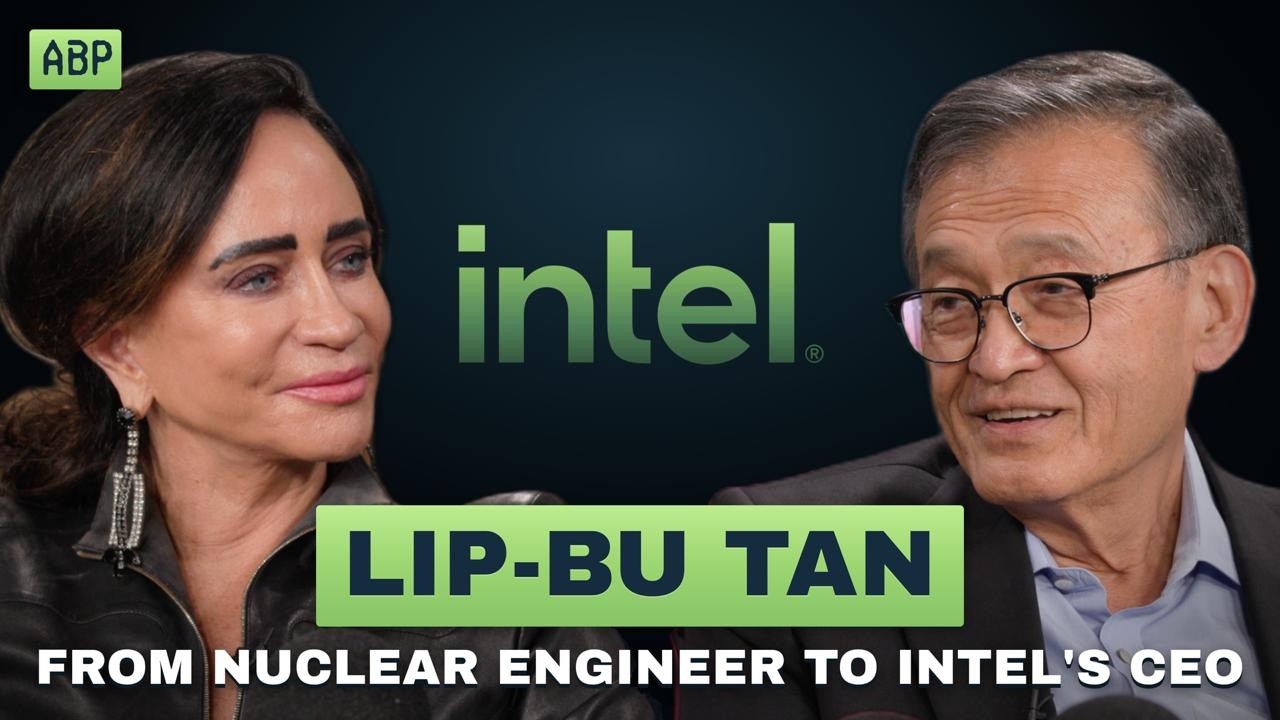
Intel CEO Lip-Bu Tan, a quiet nuclear engineer turned investor, explains how a collaborative temperament coexists with high-stakes risk, from venture investing to a contested Intel turnaround.
Citadel's Ken Griffin weighs AI's disruption of white-collar work and moats against doubts over GPU economics, bubble risk, and whether corporate America can earn returns on its AI spending.
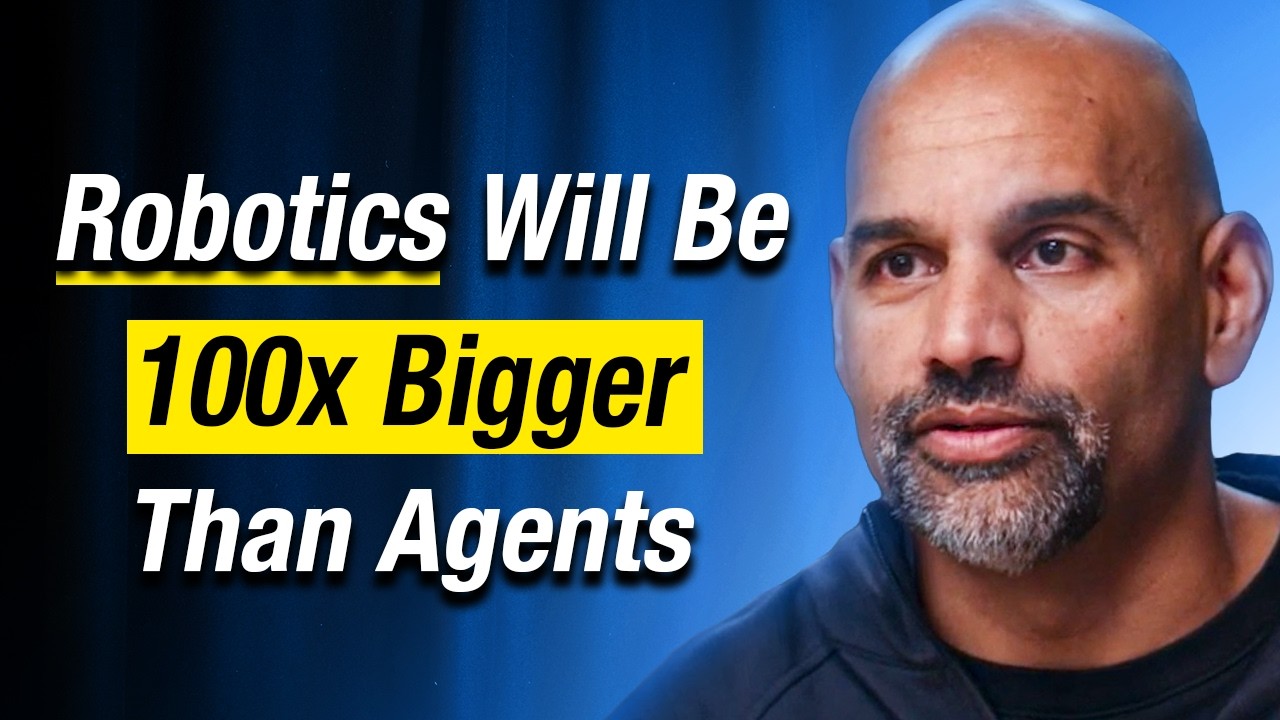
Unconventional AI founder Naveen Rao argues that power scarcity, stalled transistor gains, and commoditizing models shift AI's economics toward hardware co-design, while admitting verification remains the unsolved human bottleneck.
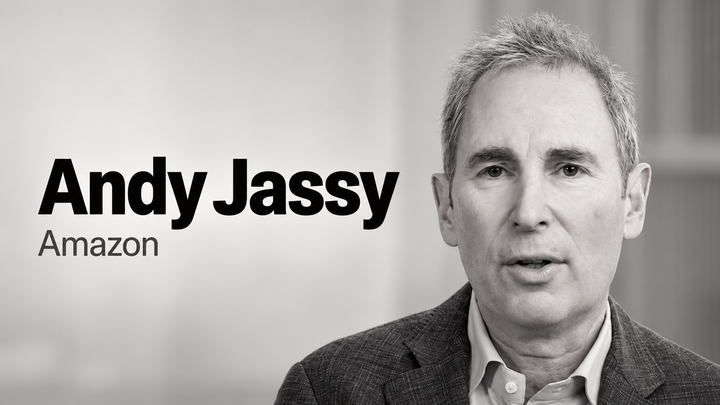
Amazon CEO Andy Jassy argues that staged capital commitments and sold-out capacity make a record AI buildout defensible, while conceding that the largest enterprise opportunity still depends on cheaper inference.