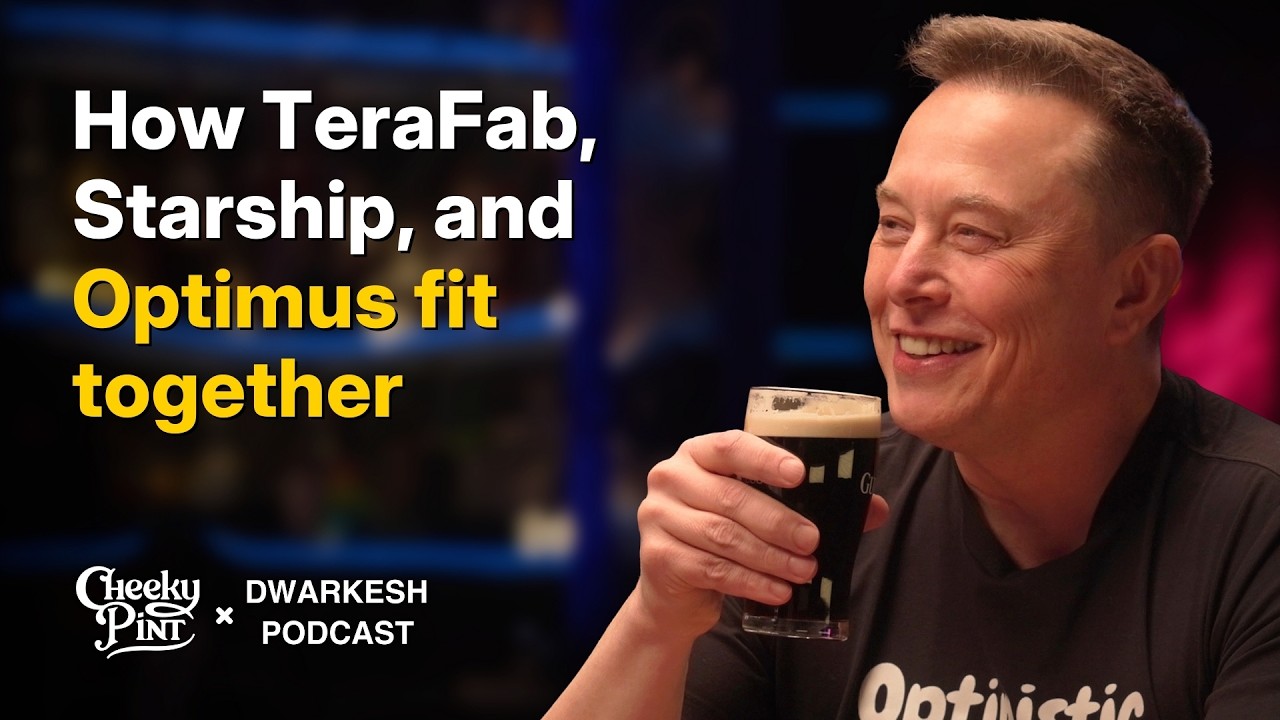
Musk bets electricity scarcity will push AI compute into space
Elon Musk argues that power, not chips, will limit AI scaling soon, while interviewers press him on space economics, alignment, humanoid robots and how he manages bottlenecks.
Loading articles…
The complete subject coverage could not load. Published articles remain below.
Elon Musk argues that power, not chips, will limit AI scaling soon, while interviewers press him on space economics, alignment, humanoid robots and how he manages bottlenecks.
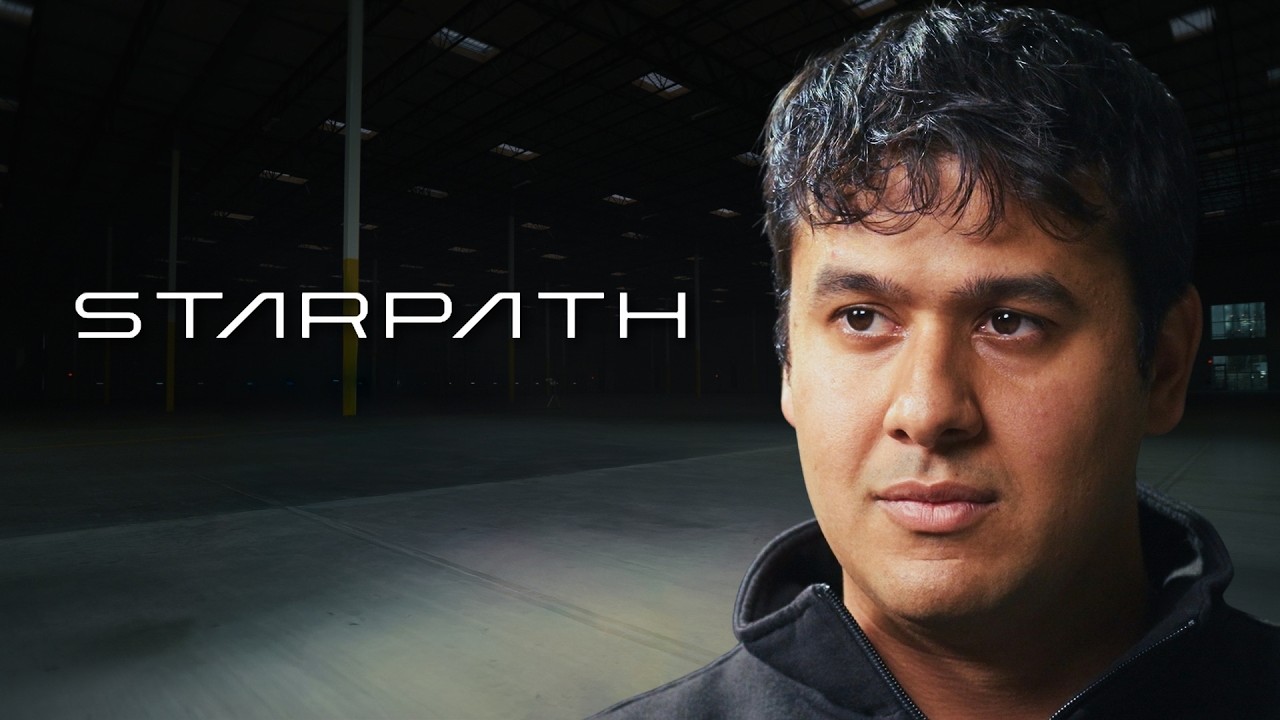
Starpath CEO Saroj Sharaf argues orbital AI compute depends on fully reusable rockets whose owners have little reason to sell, pushing a solar-panel maker toward building its own launch company.

Jenny Johnson, CEO of Franklin Templeton, separates AI's slow enterprise payoff from frothy infrastructure bets, and argues that scale acquisitions and blockchain rails are how asset managers adapt.

Investor Gavin Baker, reacting to Anthropic's S-1, argues demand is outrunning compute supply, while counterpoints on customer concentration and training-heavy compute test how far that optimism can run.
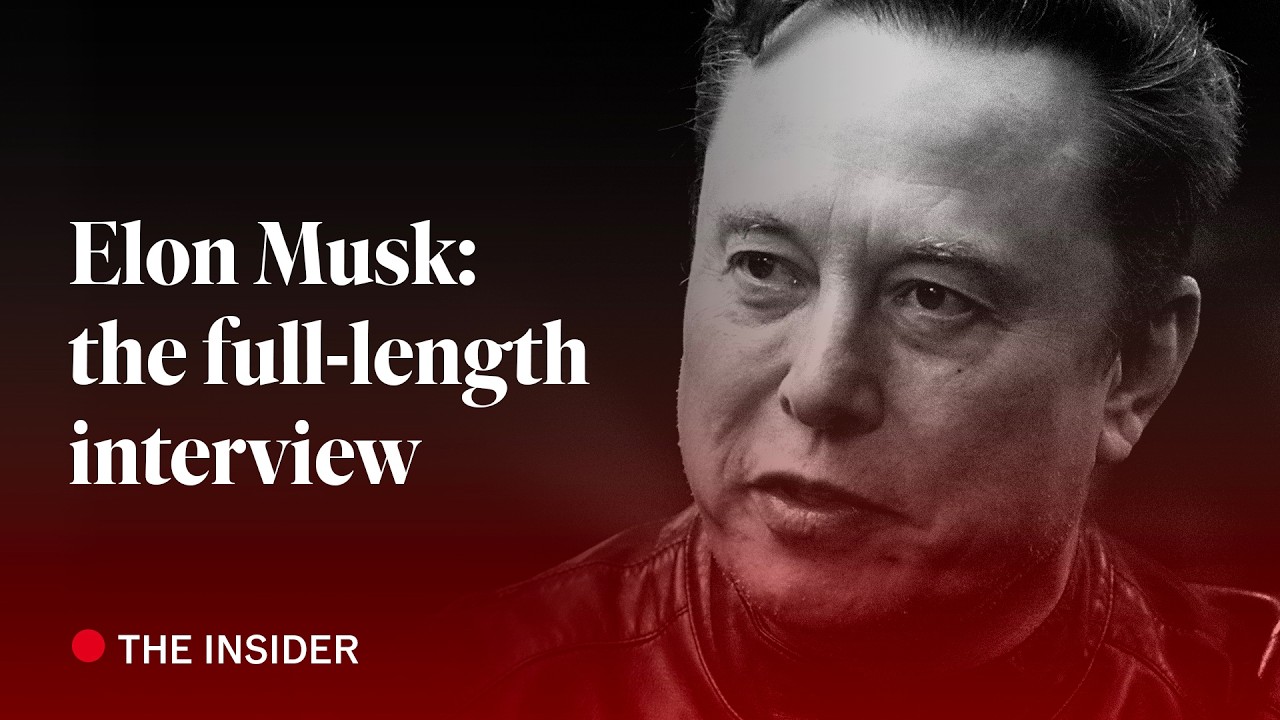
In an Economist interview, Elon Musk pairs a forecast of AI-driven abundance with fatalism about its risks, leaving open how societies, governments and rival labs manage the turbulent transition.

Zach Dell, founder of Base Power, talks with David Senra about why the grid is too small, how distributed batteries beat utility-scale ones, and the operating culture built on constraints.

Gavin Baker and David George, both investors, get into sub-one-year compute paybacks, the political fight over data centers, and why Nvidia's financing ecosystem is hard to beat.