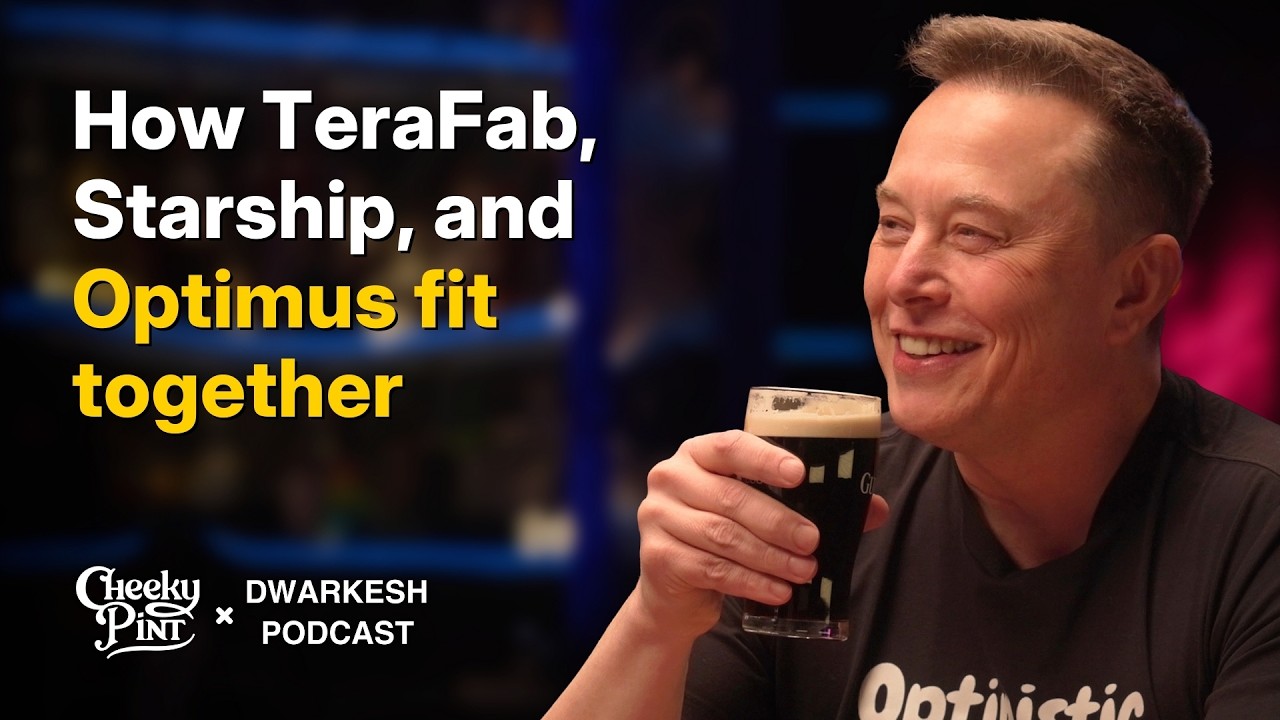
Musk bets electricity scarcity will push AI compute into space
Elon Musk argues that power, not chips, will limit AI scaling soon, while interviewers press him on space economics, alignment, humanoid robots and how he manages bottlenecks.
Loading articles…
The complete subject coverage could not load. Published articles remain below.
Elon Musk argues that power, not chips, will limit AI scaling soon, while interviewers press him on space economics, alignment, humanoid robots and how he manages bottlenecks.
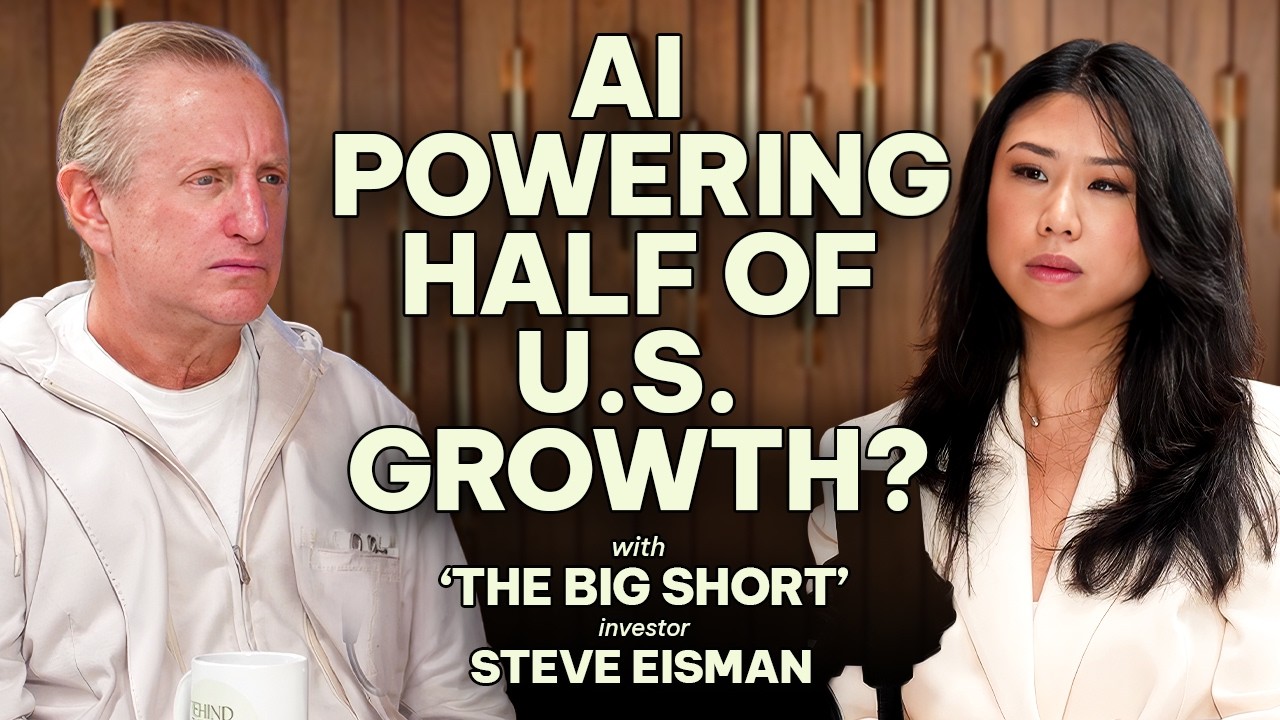
Steve Eisman, who bet against subprime, argues the AI capex behind half of US growth depends on two money-losing companies, while private credit risks look painful but not systemic.

Signal AI analysts Andrew Smith and Scott Wilkinson argue that Marvell's reported Lumentum bid is about owning the whole optical stack, even though it would mean competing with Marvell's own DSP customers.

Economist Felix Nicholas Pin argues that midterm clarity, digested AI spending and rising liquidity create a rare buying window, but his case leans on historical patterns and unquantified assertions.
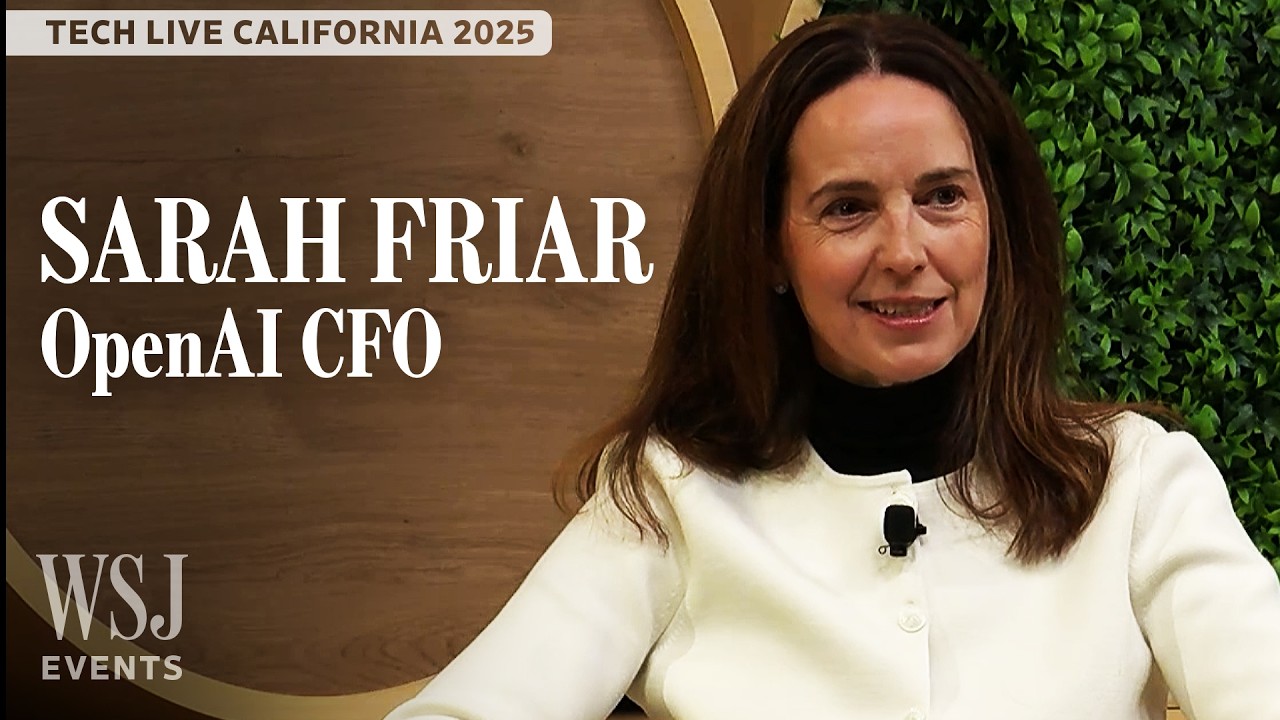
OpenAI CFO Sarah Friar argues demand justifies financing compute at national-grid scale, but the case rests on unproven chip lifespans, asserted margins, and investor patience with heavy spending.
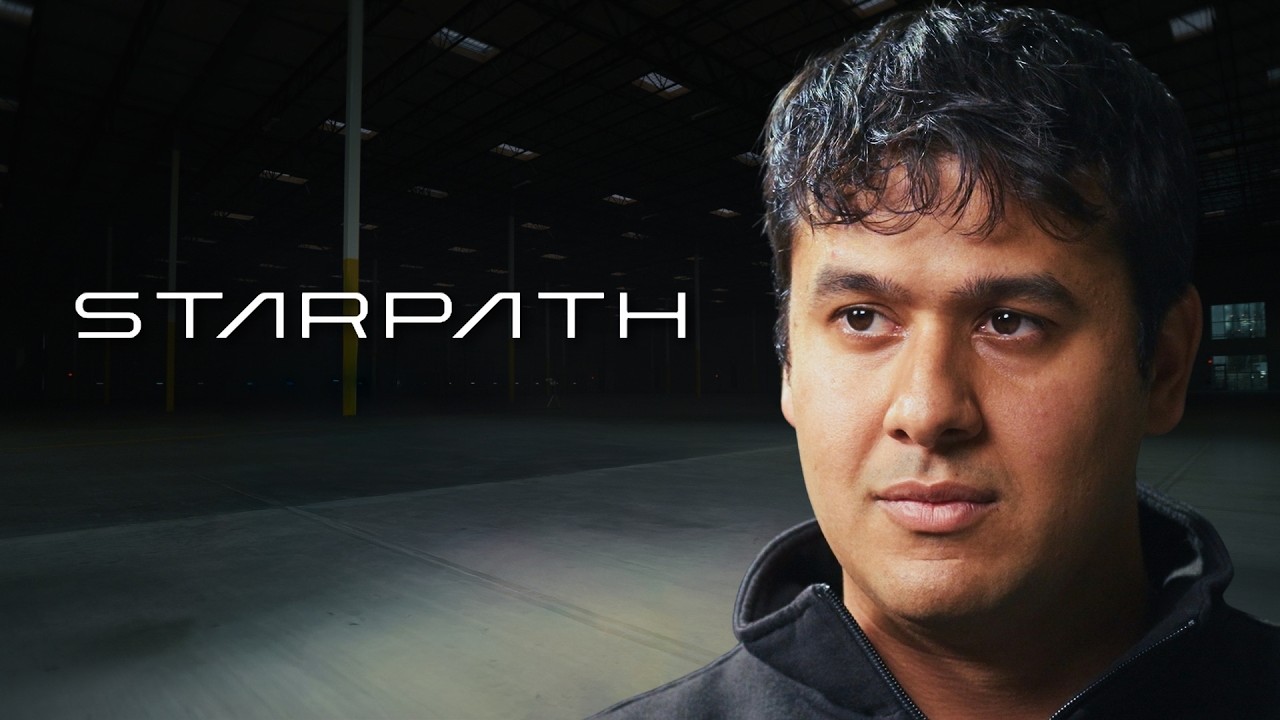
Starpath CEO Saroj Sharaf argues orbital AI compute depends on fully reusable rockets whose owners have little reason to sell, pushing a solar-panel maker toward building its own launch company.
State of AI Report author Nathan Benaich weighs his 2027 AGI forecast against cyber incidents, a data center backlash, and a frontier gap that rivals and nations struggle to close.