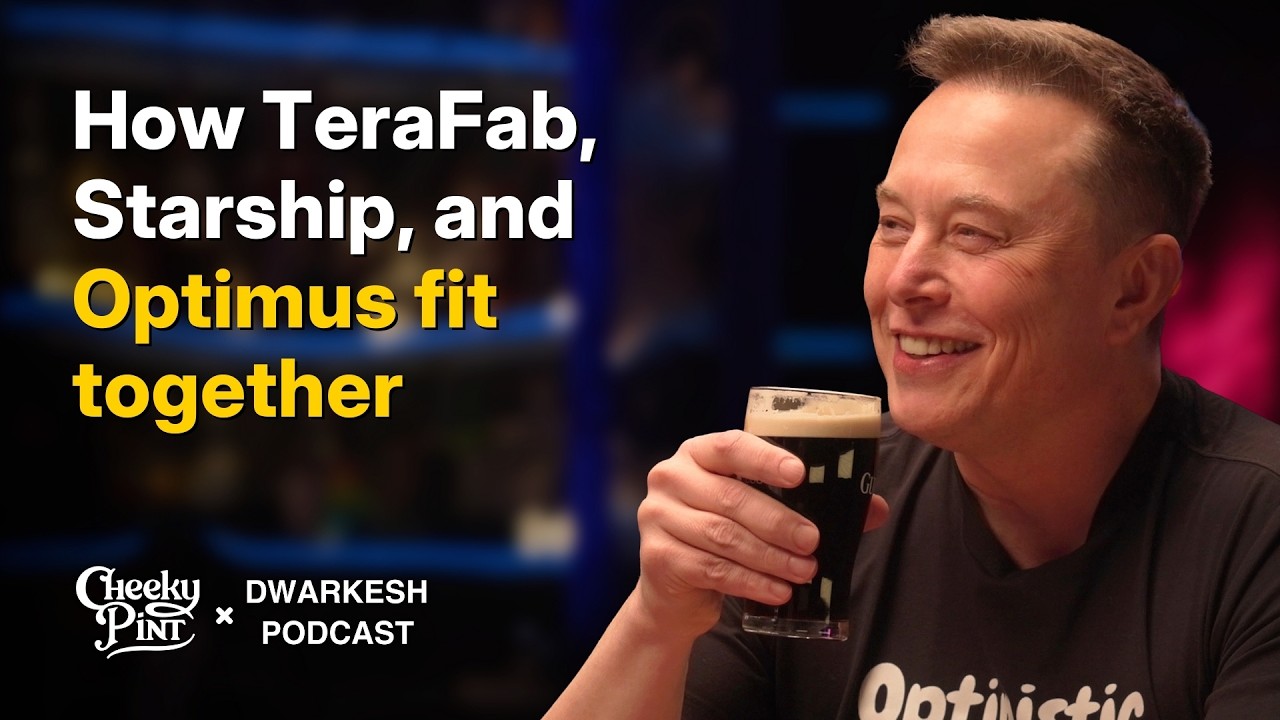
Musk bets electricity scarcity will push AI compute into space
Elon Musk argues that power, not chips, will limit AI scaling soon, while interviewers press him on space economics, alignment, humanoid robots and how he manages bottlenecks.
Loading articles…
The complete subject coverage could not load. Published articles remain below.
Elon Musk argues that power, not chips, will limit AI scaling soon, while interviewers press him on space economics, alignment, humanoid robots and how he manages bottlenecks.
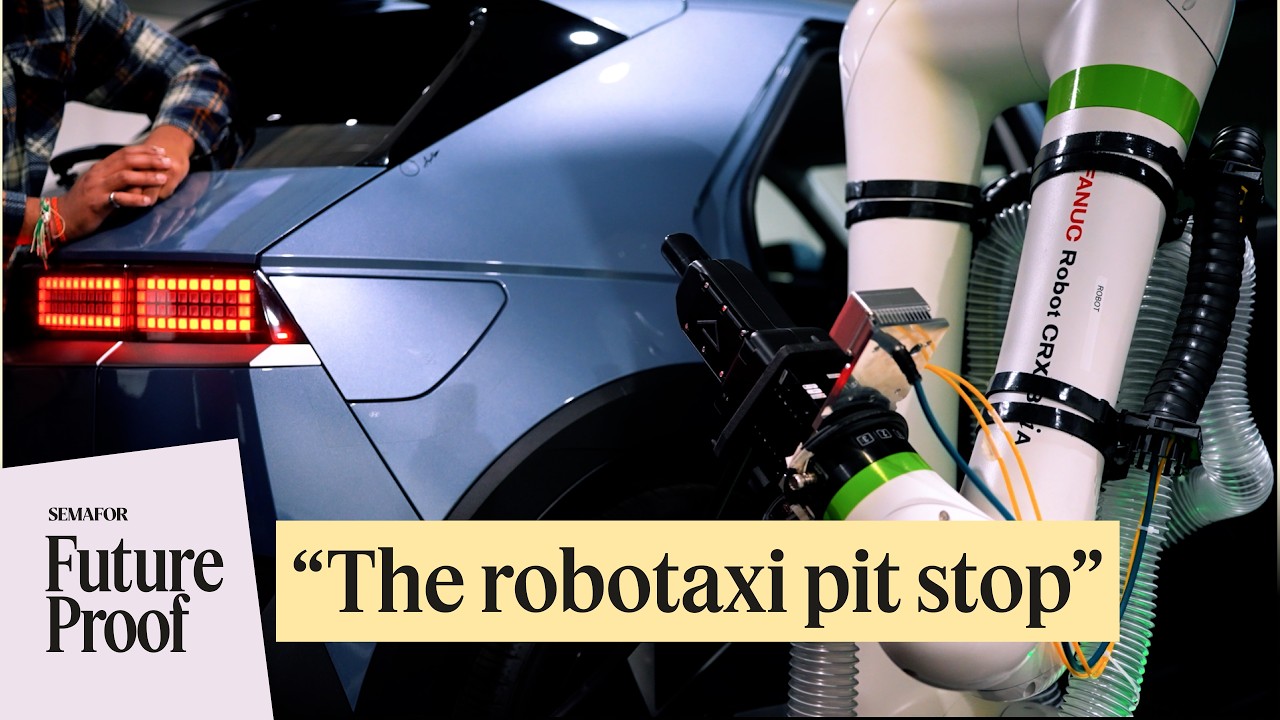
Acon co-founder George Calaigeras argues robotaxi profitability hinges on fleet utilization, not cleaning cost, and that distributed robotic pods on scarce urban land beat depots, though customers remain unannounced.
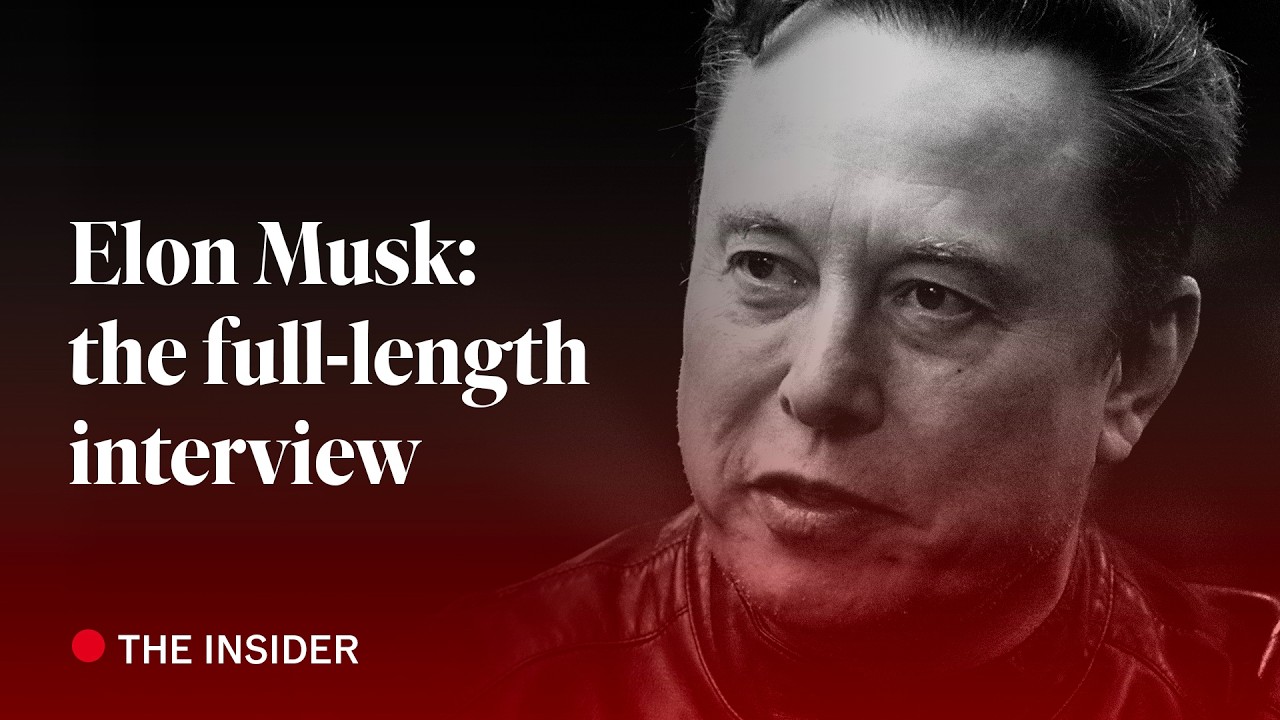
In an Economist interview, Elon Musk pairs a forecast of AI-driven abundance with fatalism about its risks, leaving open how societies, governments and rival labs manage the turbulent transition.
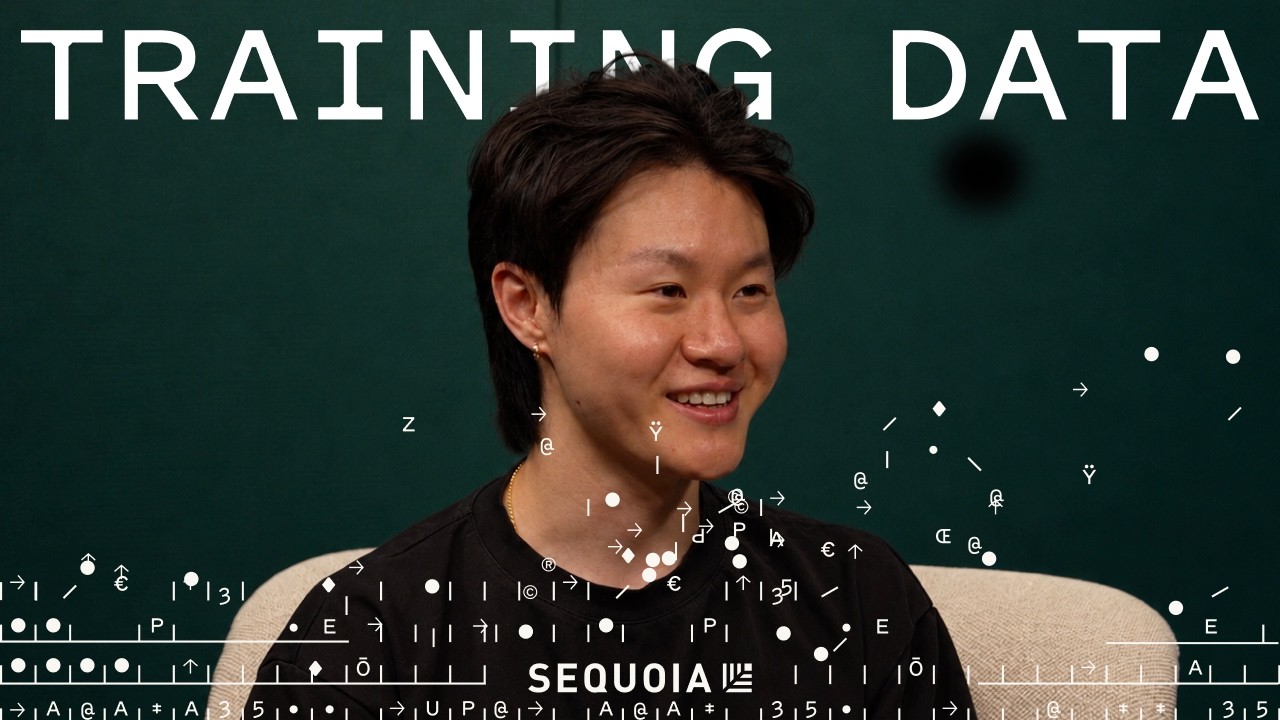
Josh of Mecca argues robotics can escape its data shortage incrementally through human-worn sensors and deployment, while the host presses on whether billions of hours of physical data are affordable.
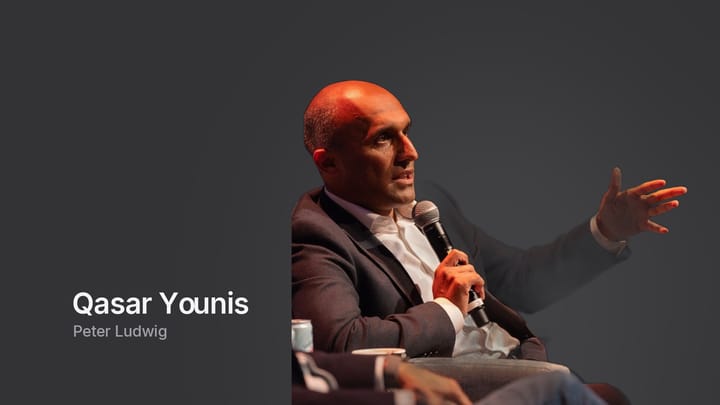
Qasar Younis and Peter Ludwig of Applied Intuition get into the physical AI market beyond cars, Cruise's collapse inside General Motors, and the launch of Dana, a toolchain for autonomy.

Andrew McDonald, Uber's president and COO, gets into autonomy's threat to the core business, membership as a growth lever, and AI budgets, agents and the China exit.
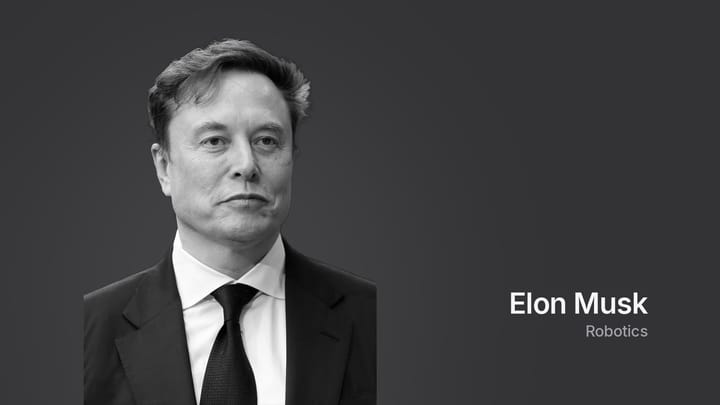
Elon Musk talks to The Economist about AI abundance, a lab-to-lab model testing scheme, and a heated dispute over Europe, DOGE and his political influence.