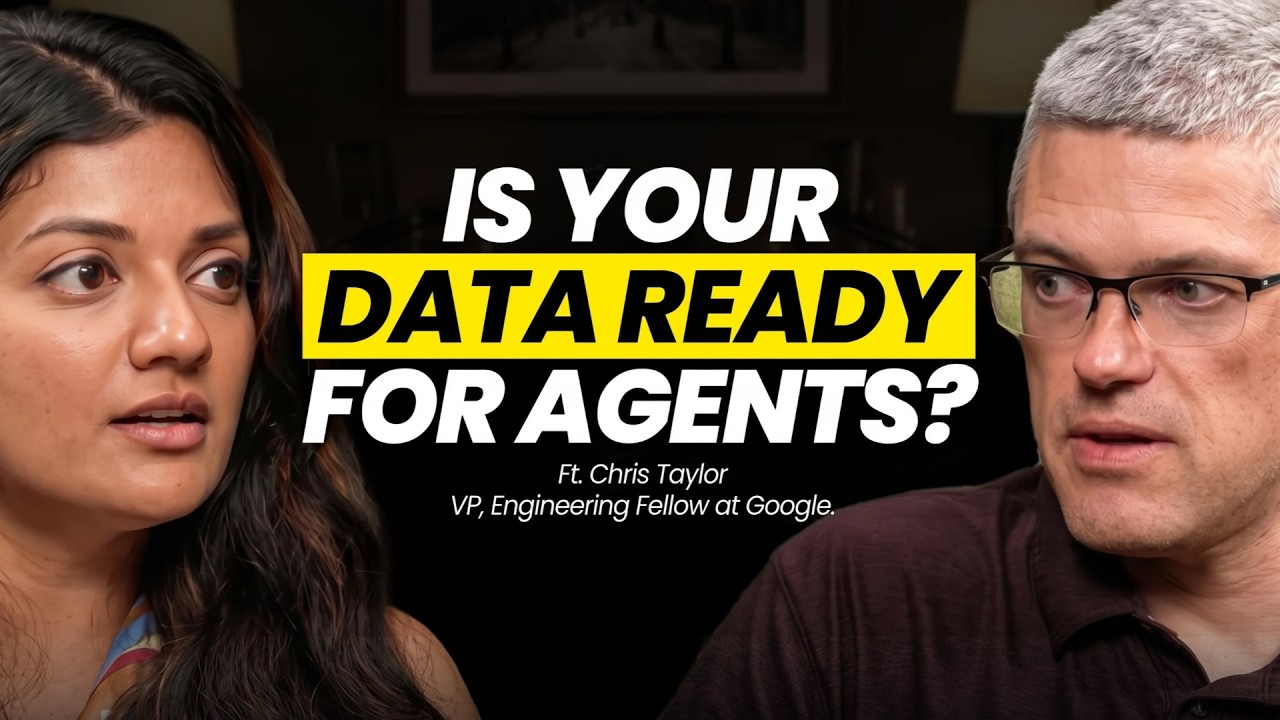
Google Fellow argues enterprise AI is bottlenecked by data, not intelligence
Chris, a Google VP and Fellow, argues enterprise AI gains now depend on closing the gap between public and private data, with graphs and evaluation loops as the tools.
Chris, a Google VP and Fellow, argues enterprise AI gains now depend on closing the gap between public and private data, with graphs and evaluation loops as the tools.
Josh of Mecca argues robotics can escape its data shortage incrementally through human-worn sensors and deployment, while the host presses on whether billions of hours of physical data are affordable.

Anthropic co-founder Dario Amodei defends a values-aligned enterprise strategy while acknowledging that the coding agents driving his company's growth could displace the white-collar workers who use them.

General Intuition's Pim Dwight argues action-labeled gameplay, not predicted pixels, is the durable asset for robotics AI, yet how pixel-native policies will merge with code-driven LLMs remains unresolved.
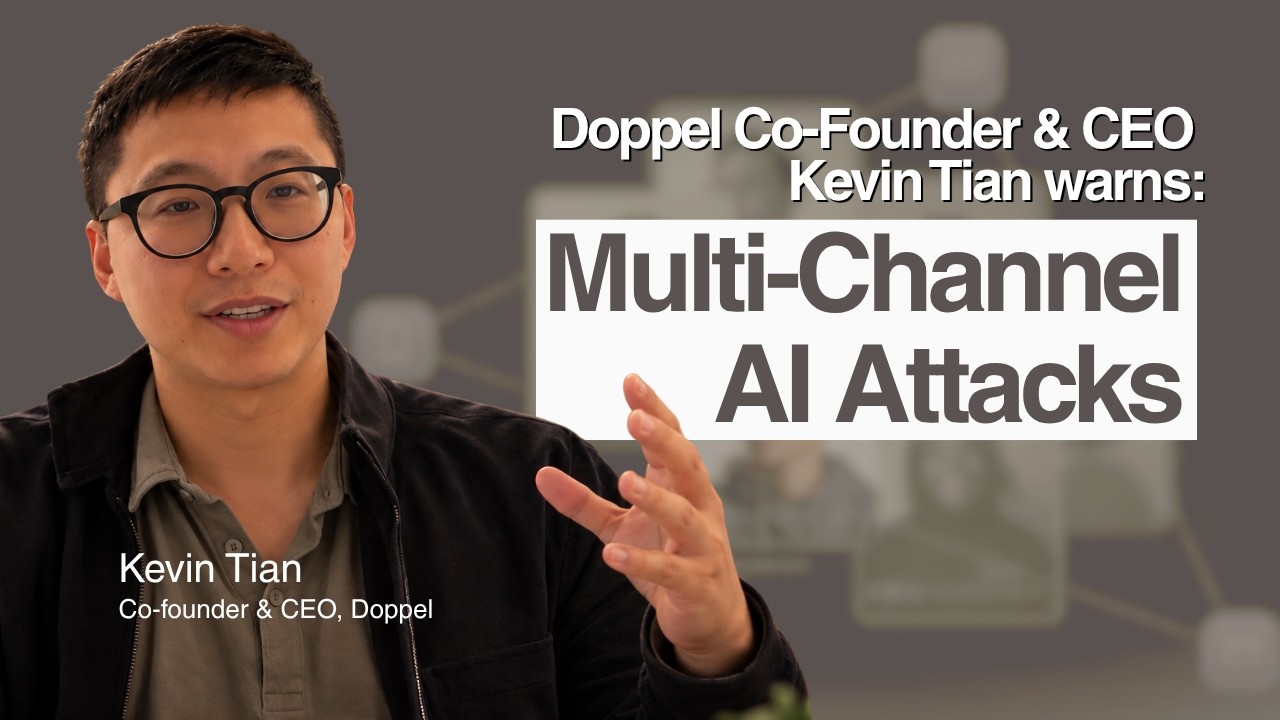
Doppel CEO Kevin Tian argues AI has turned social engineering into a problem of volume and multiple channels, making manual defense untenable, though little evidence shows who is winning.
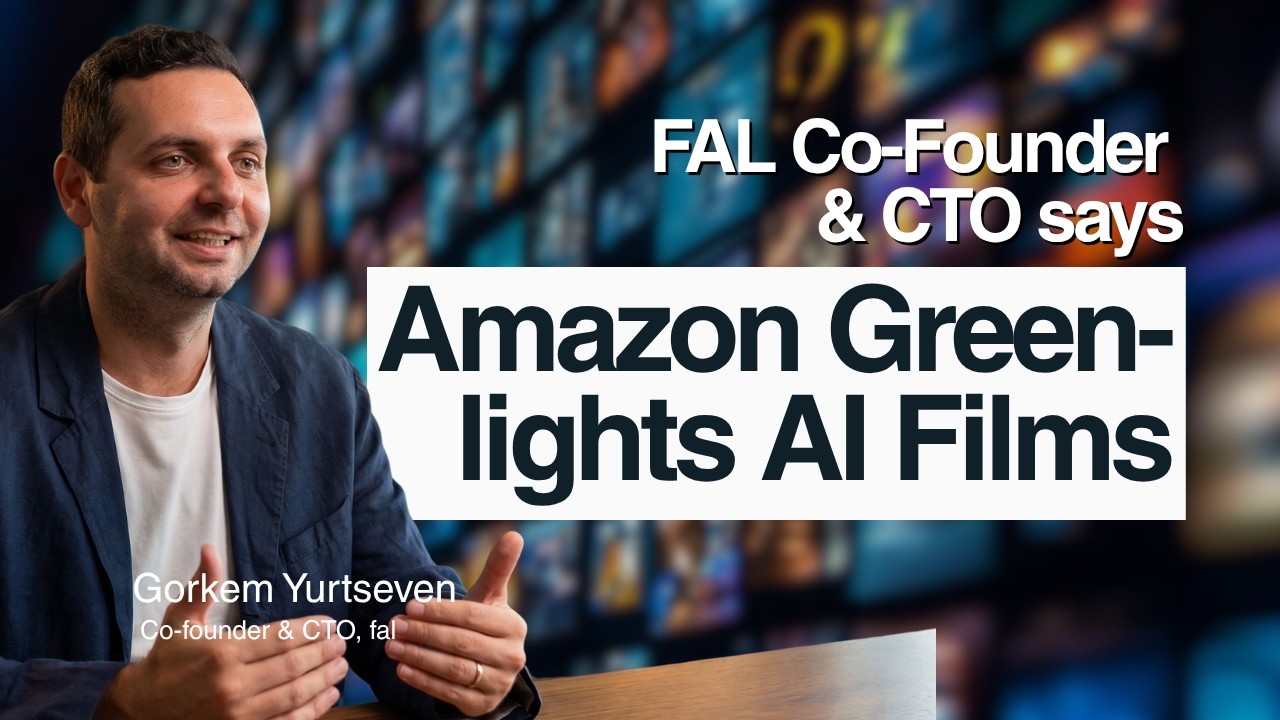
Gorkin Yorks, CTO and co-founder of FAL, argues generative video now justifies heavy spending by professionals, yet controllability, cost and the absence of a mass-market moment still constrain adoption.
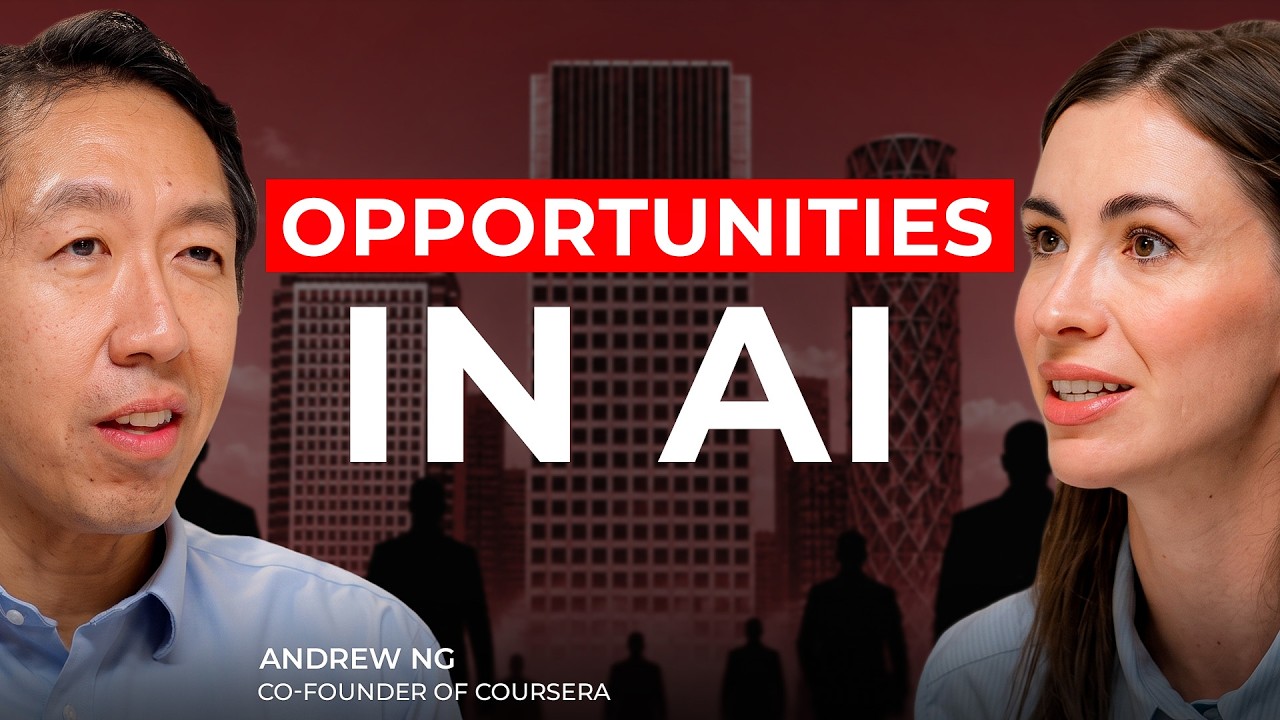
Andrew Ng argues that fear-based AI messaging distorts careers and policy, yet he concedes real risks, notably that AI models undermine learning, which need specific, practical responses.