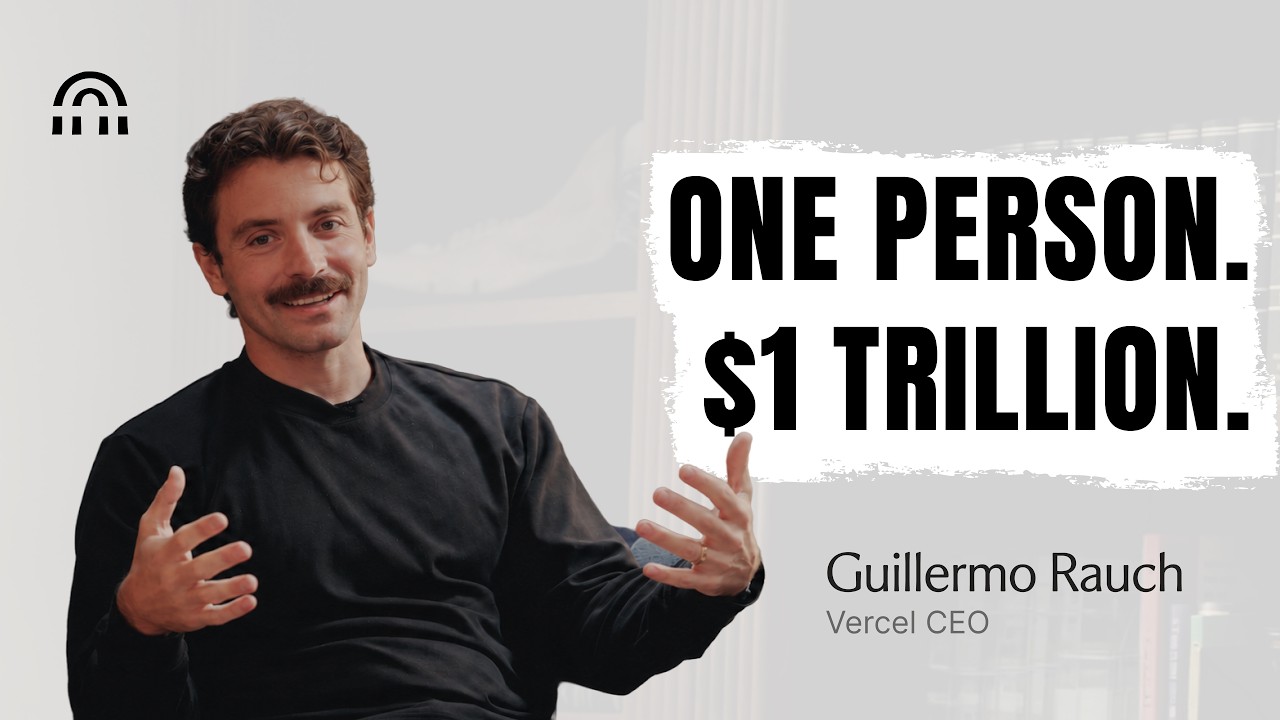
Rauch says coding agents validated Vercel's decade-long headless bet
Vercel CEO Guillermo Rauch argues that agents reward API-first infrastructure and verification loops, while insisting humans must keep understanding and judgment as autonomy grows.
Loading articles…
The complete subject coverage could not load. Published articles remain below.
Vercel CEO Guillermo Rauch argues that agents reward API-first infrastructure and verification loops, while insisting humans must keep understanding and judgment as autonomy grows.

Ron Johnson, who built Apple's retail stores, explains how designing around fear of technology drove their success and why the same conviction faltered at J.C. Penney without employee buy-in.
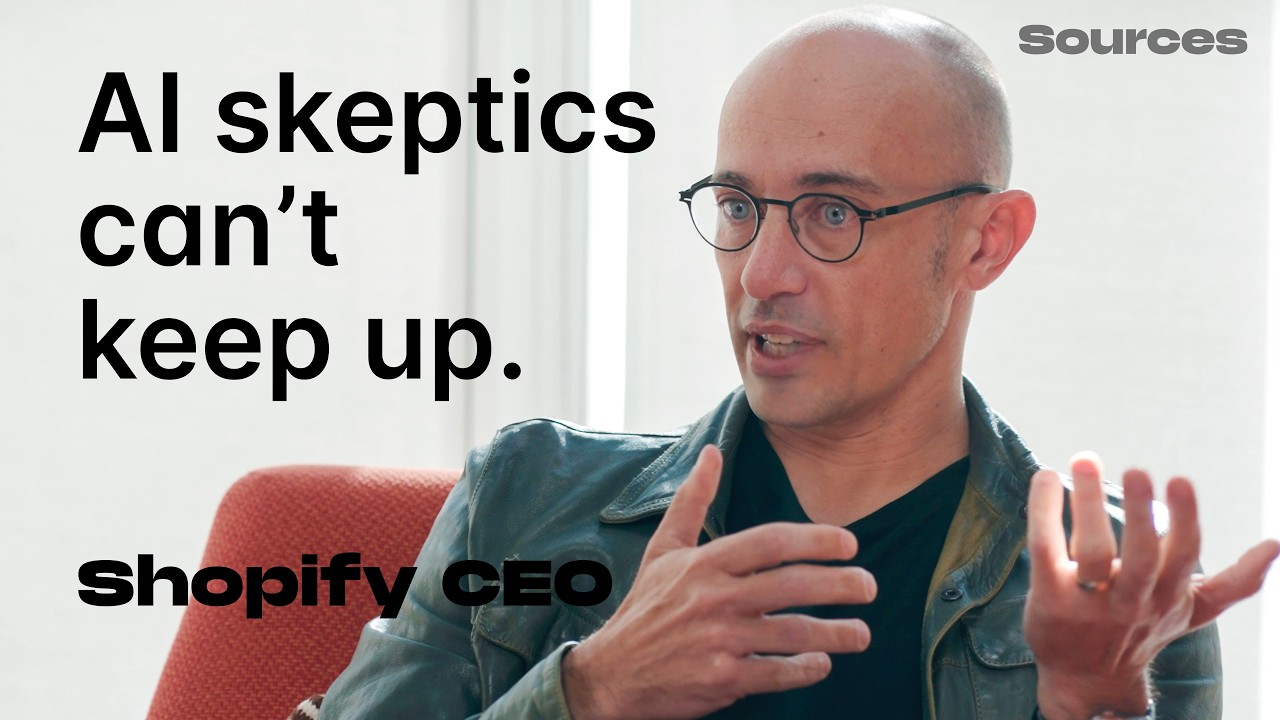
Shopify founder Toby Lütke sees agents expanding entrepreneurship and monetizing through value, yet concedes it is too early to know whether agentic commerce favors merchant platforms over ad-funded aggregators.
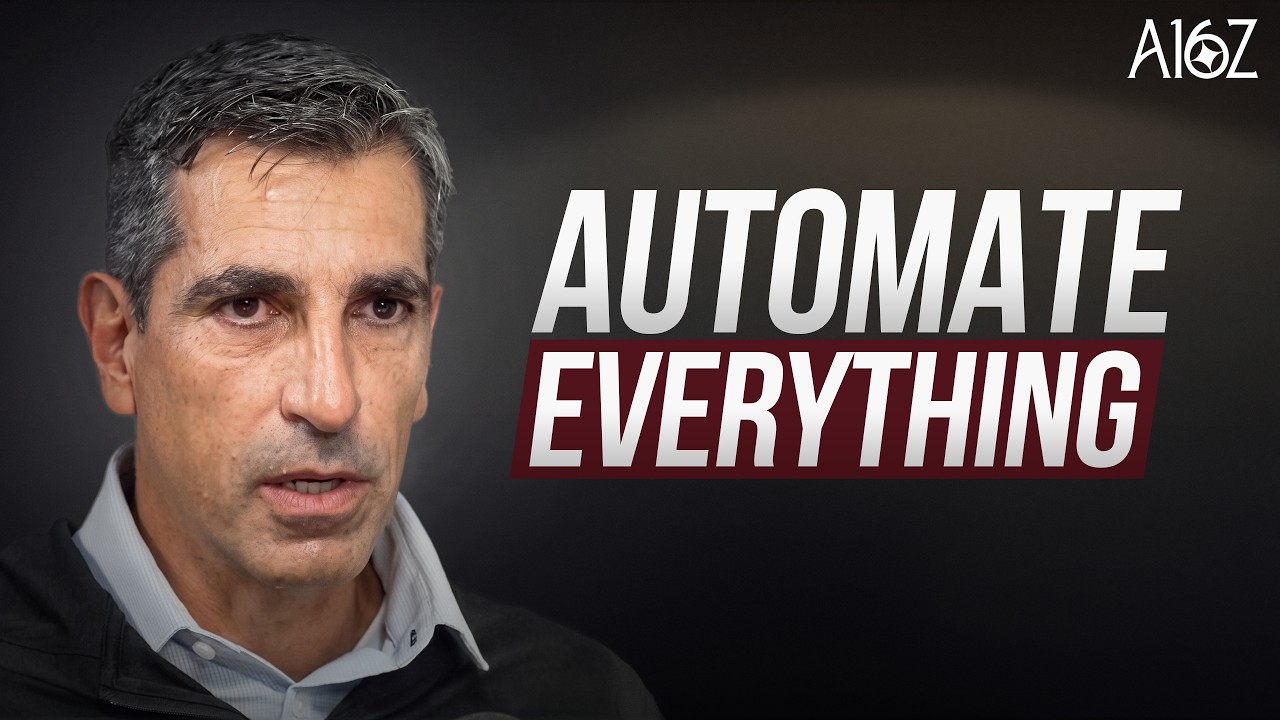
VGS strategy chief Terry Angelos tells a16z's Alex Rampell that credentials give agents arms and legs, but open card-network standards must settle who is liable when agents err.
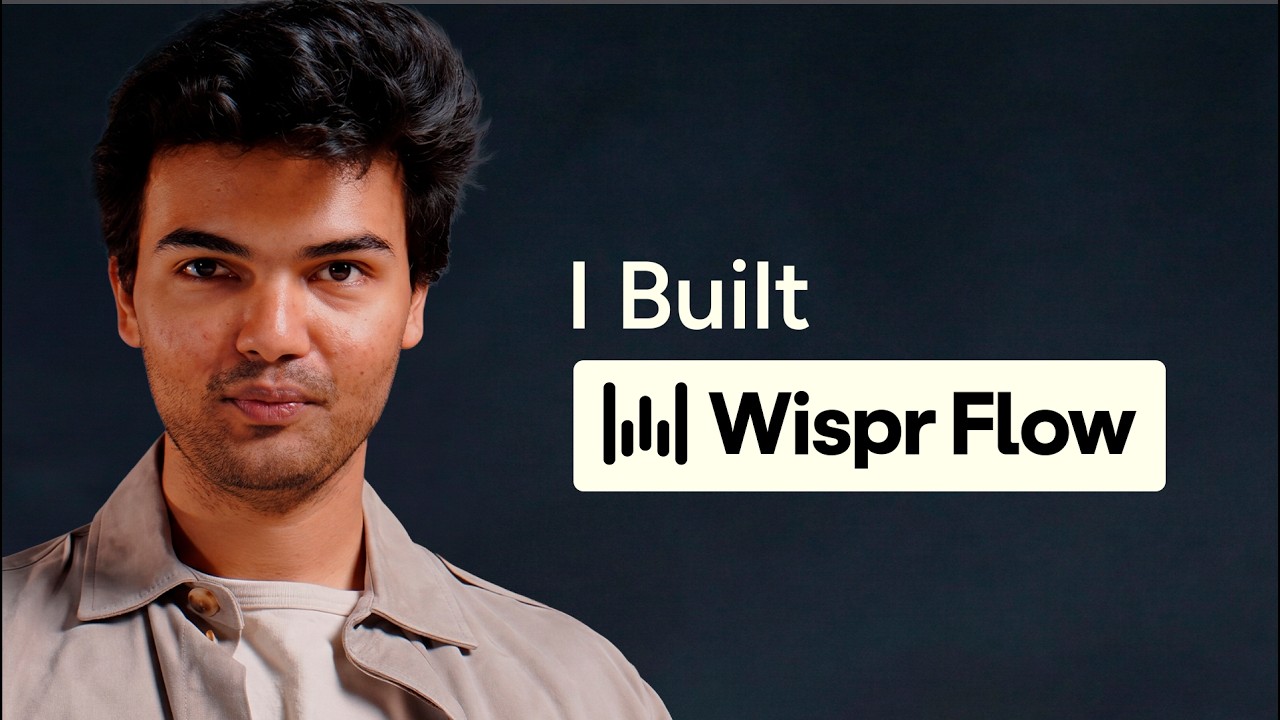
Whisper Flow's CEO Sunek Otari tells host Hector that founders succeed by aligning self, co-founder and problem first, while venture funding imposes a speed-or-failure bargain many founders misjudge.
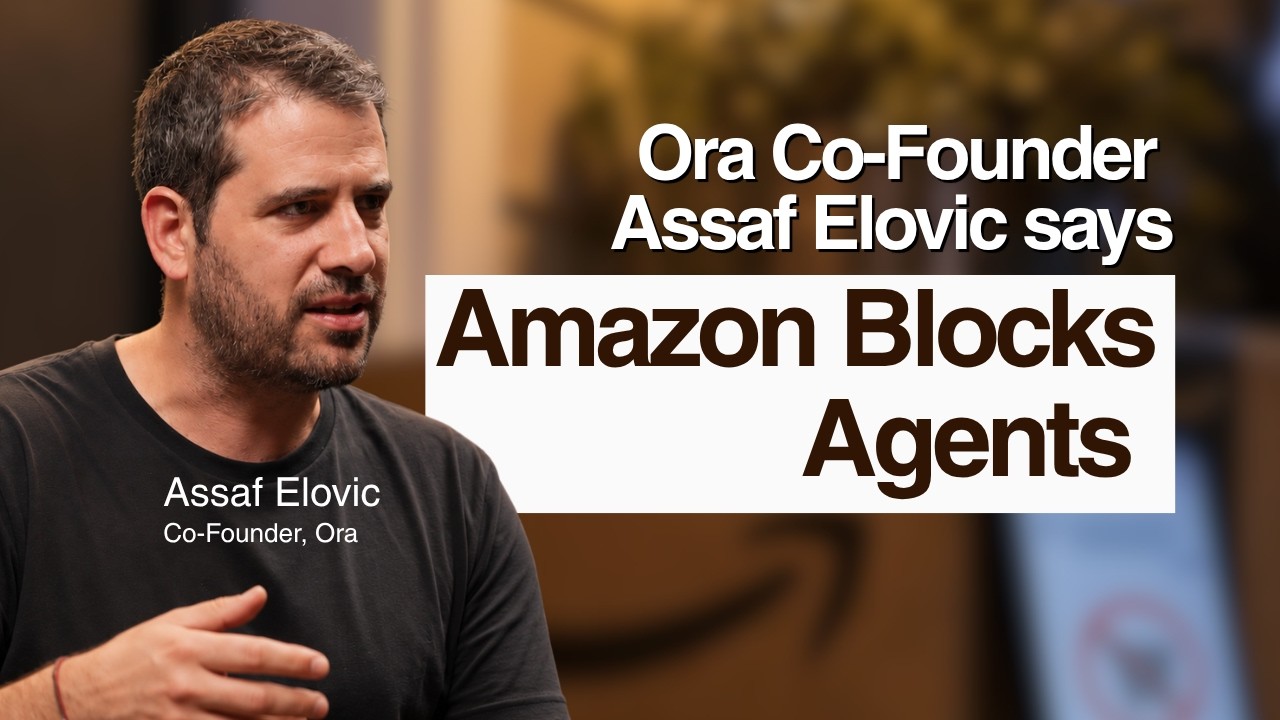
Aura CEO Asaf Eluvique argues that agent-readiness is becoming a recommendation and revenue issue, even as incumbents like Amazon block assistants to protect advertising businesses built for human traffic.
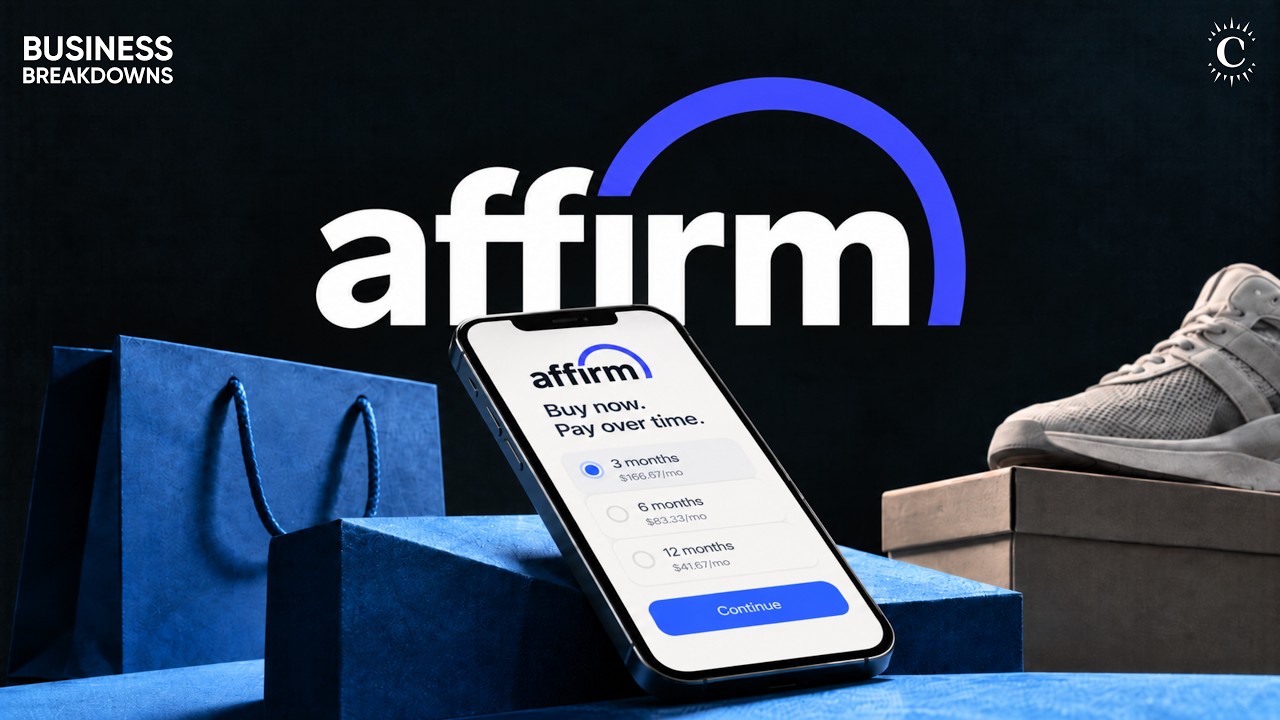
Fraser Christie of Sandstone Global Investment argues Affirm's underwriting and merchant network effects make it an American Express for the internet, though markets still price it like a lender.