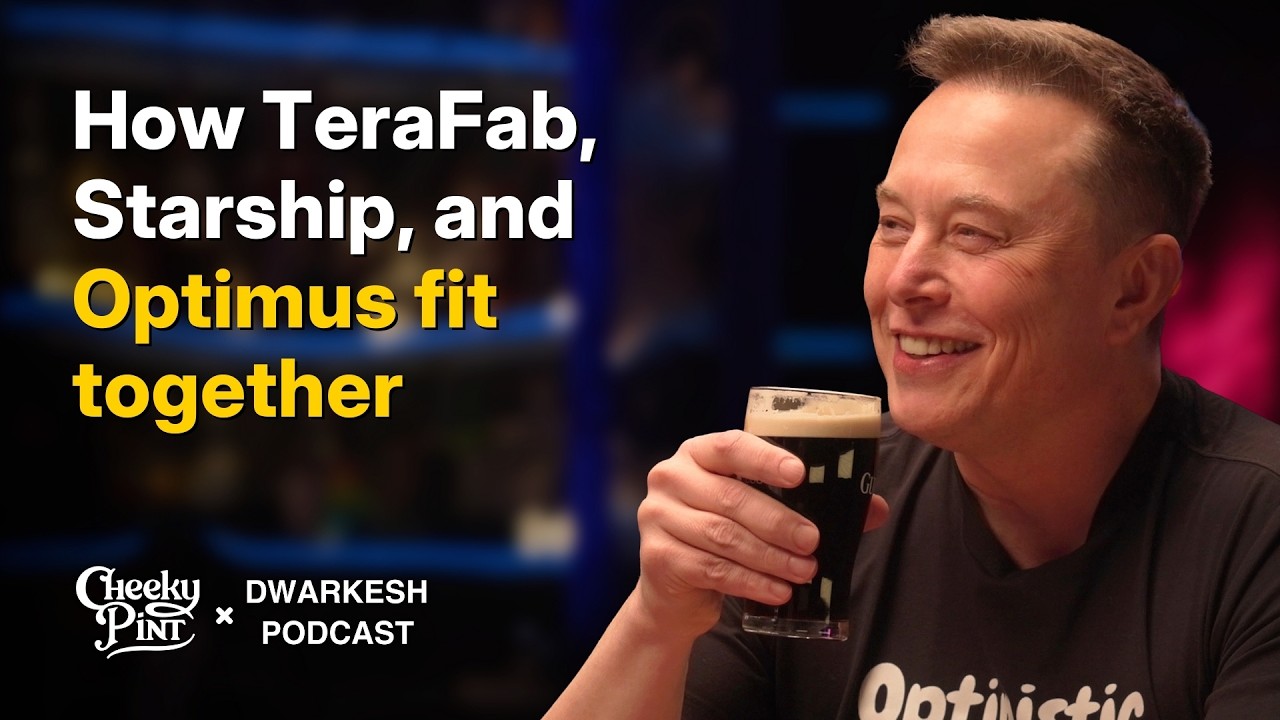
Musk bets electricity scarcity will push AI compute into space
Elon Musk argues that power, not chips, will limit AI scaling soon, while interviewers press him on space economics, alignment, humanoid robots and how he manages bottlenecks.
Loading articles…
The complete subject coverage could not load. Published articles remain below.
Elon Musk argues that power, not chips, will limit AI scaling soon, while interviewers press him on space economics, alignment, humanoid robots and how he manages bottlenecks.
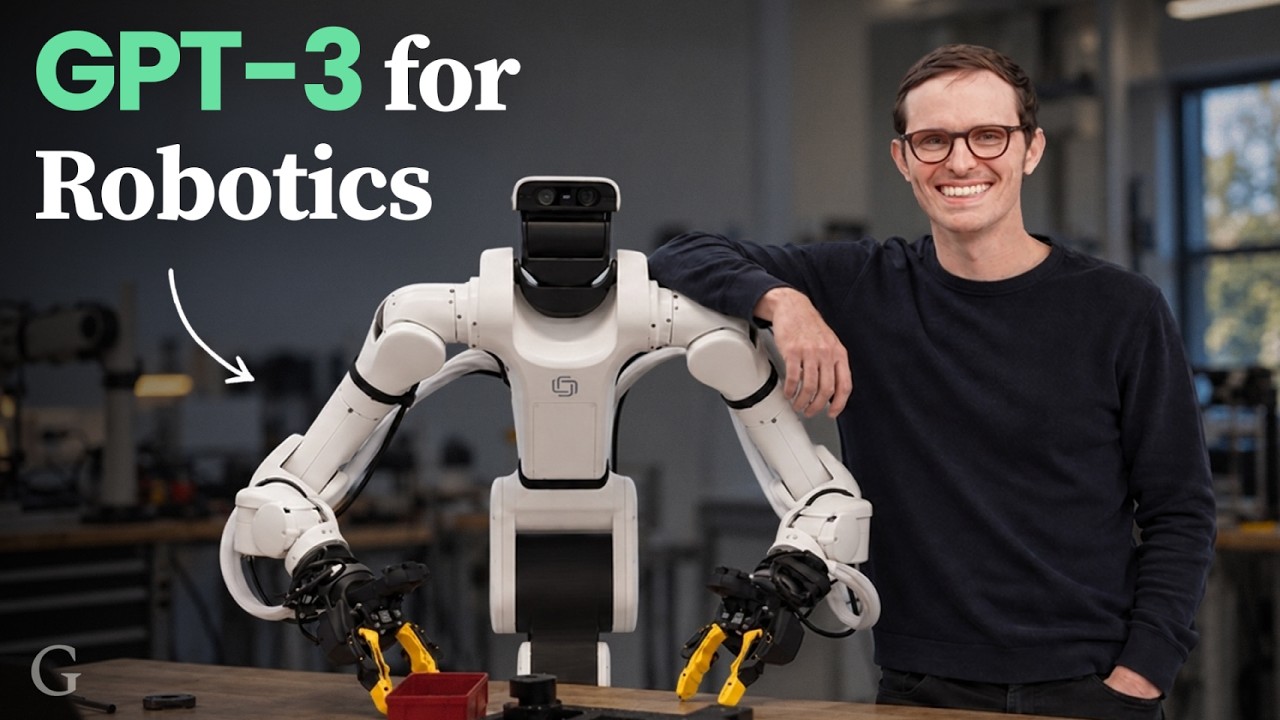
Generalist CEO Pete Florence argues that dexterity is robotics' coding analogue and that simple, scale-driven model recipes beat hardware complexity, even as reliability, data value and deployment strategy remain unsettled.
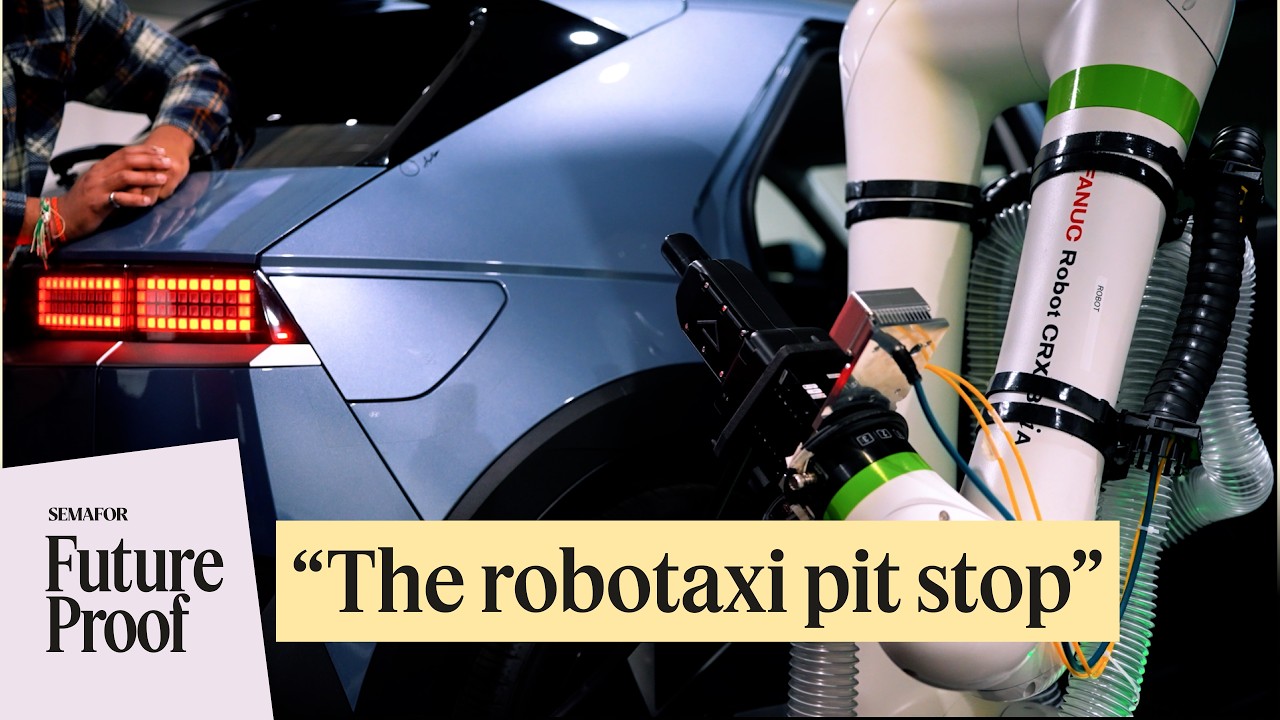
Acon co-founder George Calaigeras argues robotaxi profitability hinges on fleet utilization, not cleaning cost, and that distributed robotic pods on scarce urban land beat depots, though customers remain unannounced.
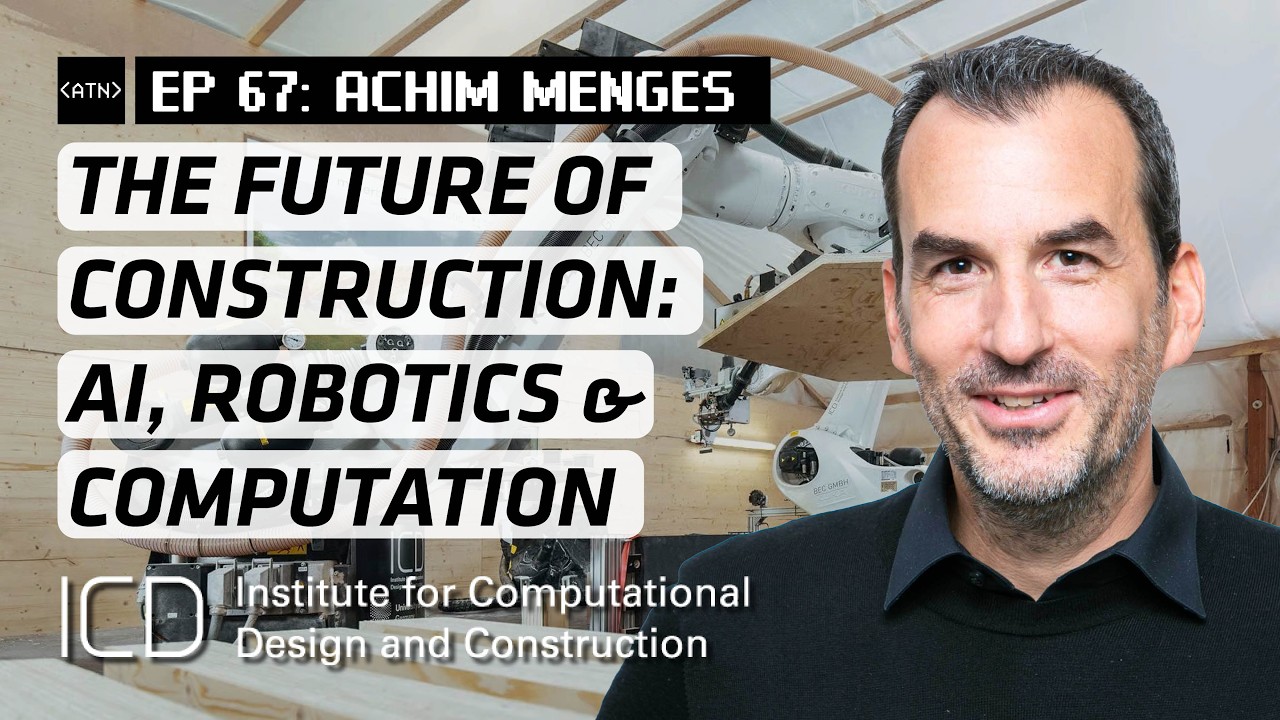
Achim Menges, founder of Stuttgart's Institute for Computational Design and Construction, argues AI is lowering robotics' skill barrier, but industry business models, not technology, remain the binding constraint.
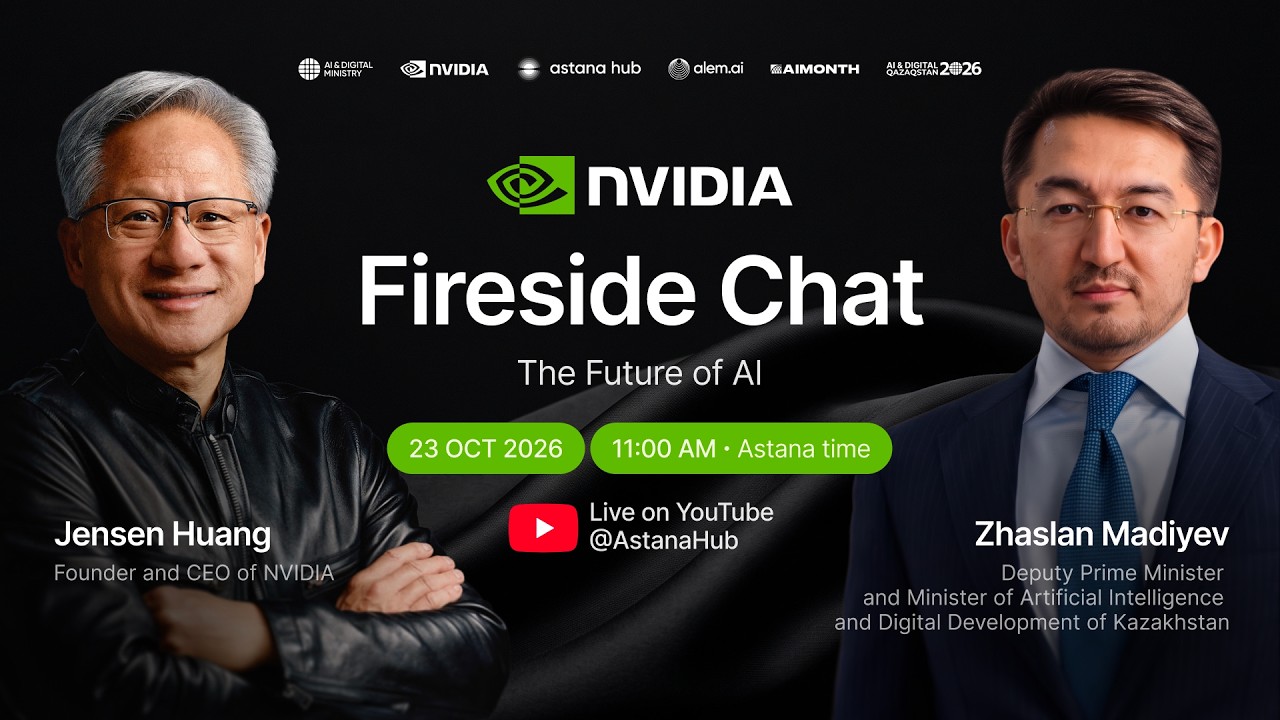
Nvidia CEO Jensen Huang tells Kazakhstan's AI minister that data and energy are national resources to convert into sovereign intelligence, while answering harder questions on jobs and learning with ambition.
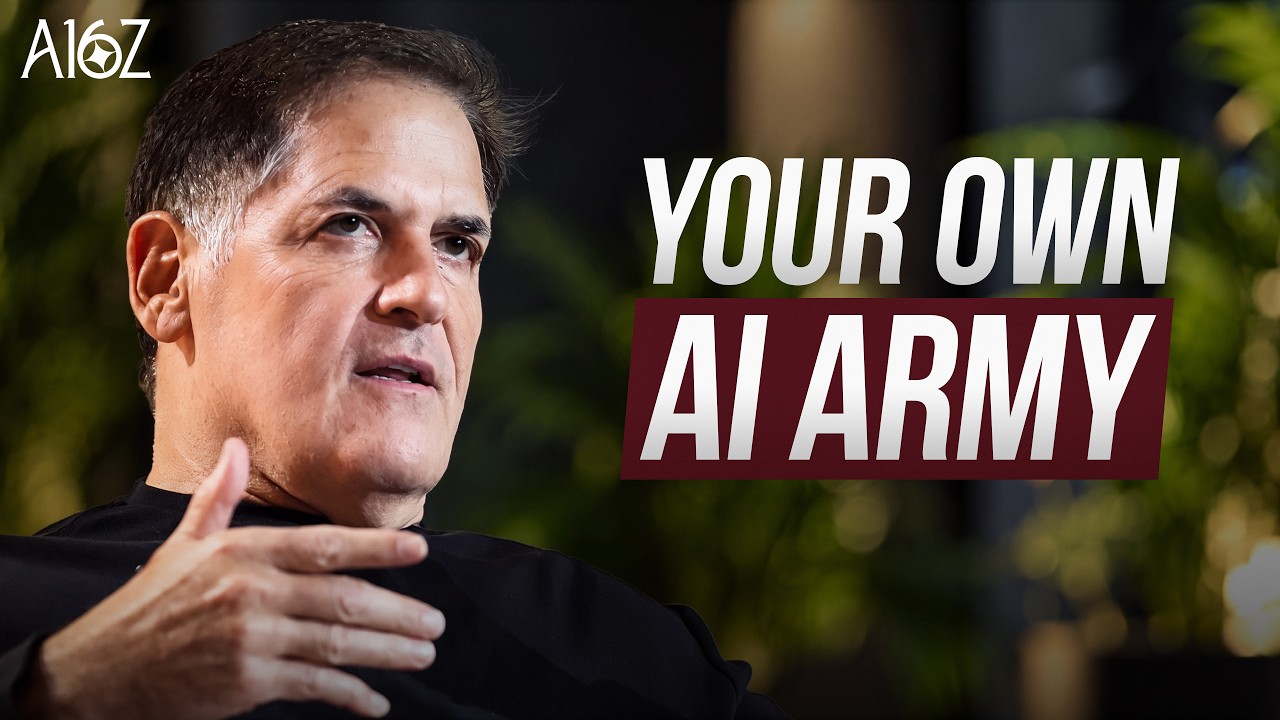
Mark Cuban argues vertically integrated insurers profit from opaque contracts AI cannot repair after signing, yet says employers using AI before signing could break their leverage.
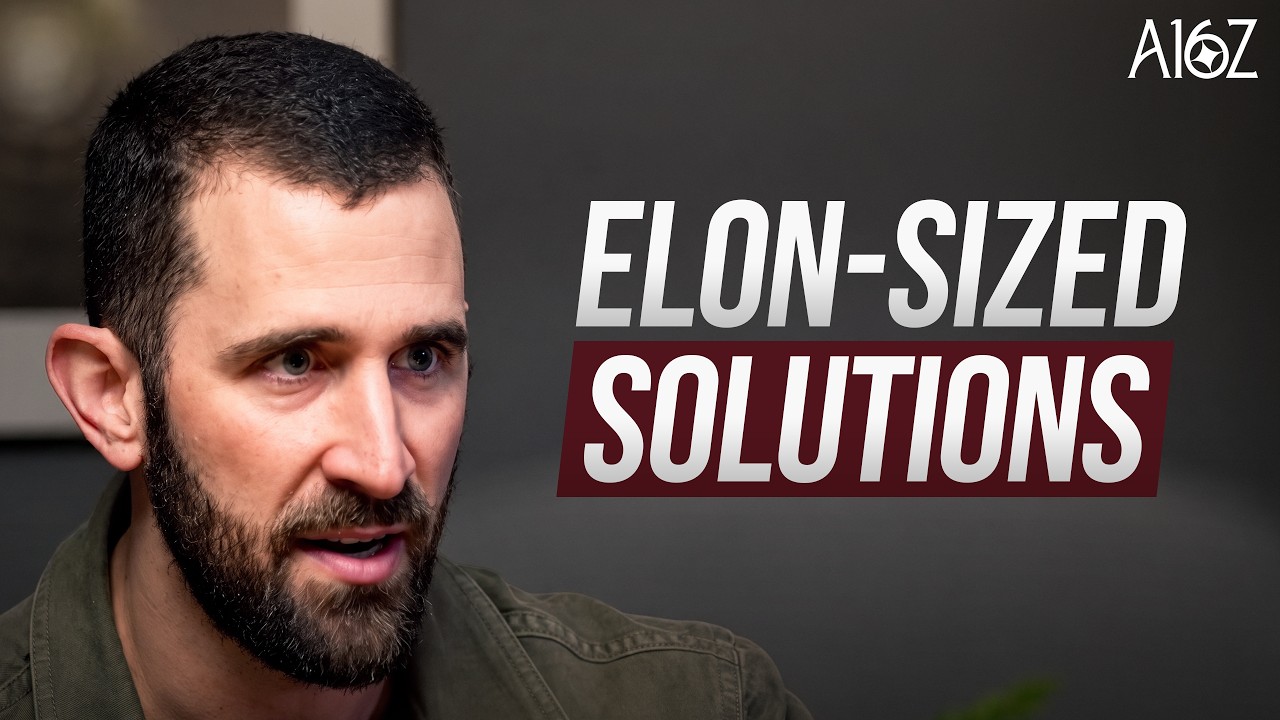
Two American Dynamism investors argue defense, energy and robotics draw on one supply chain, and private capital building ahead of government demand is rebuilding it.